On August 6, 1945, Hiroshima ceased to be the city it had become. Prior to this date, Hiroshima was a thriving international city as an industrial, military, and commercial hub and having an enormous impact on its’ economy. At the time, the population was approximately over 300,000 people. However, on this date, the first Atomic Bomb in history was dropped by the United Stares and the consequences of this action were beyond devastating.
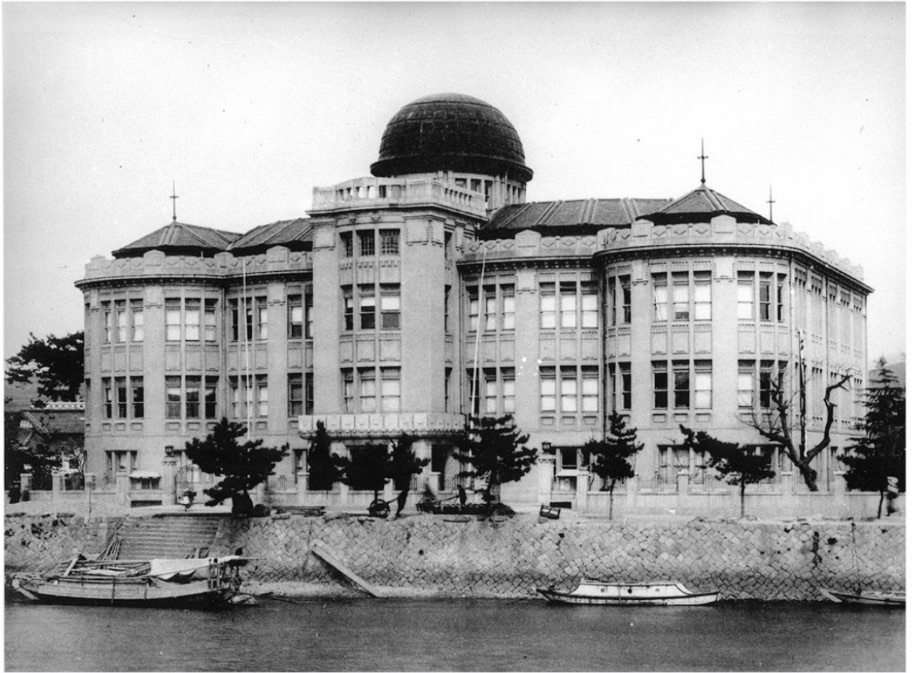
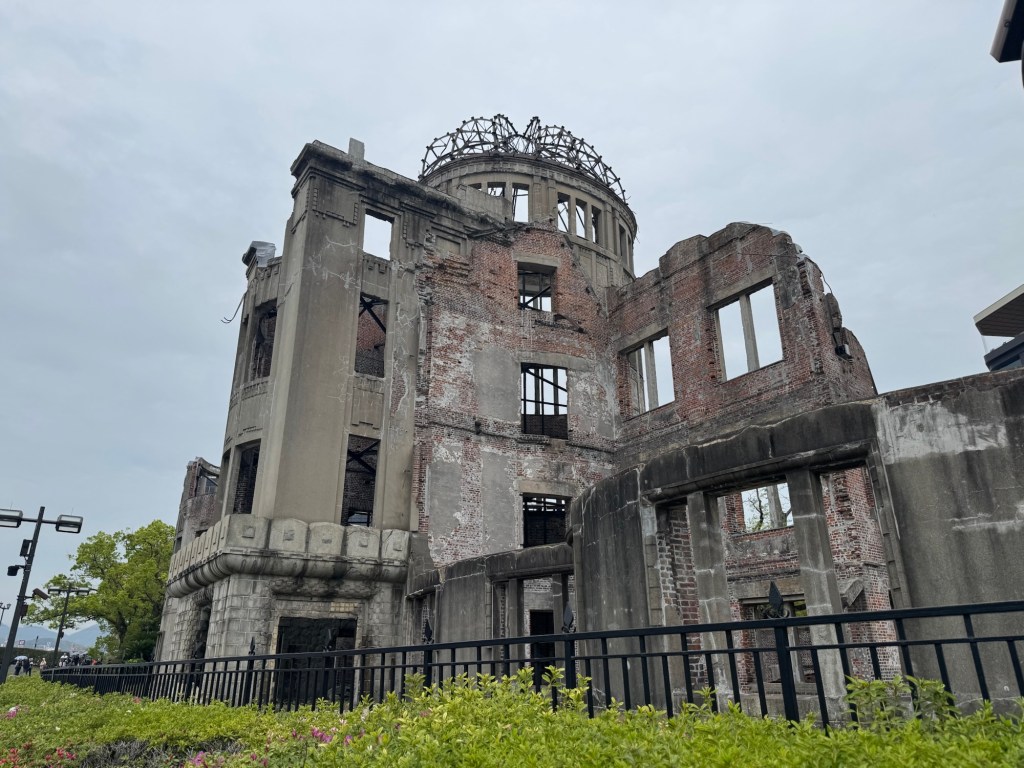
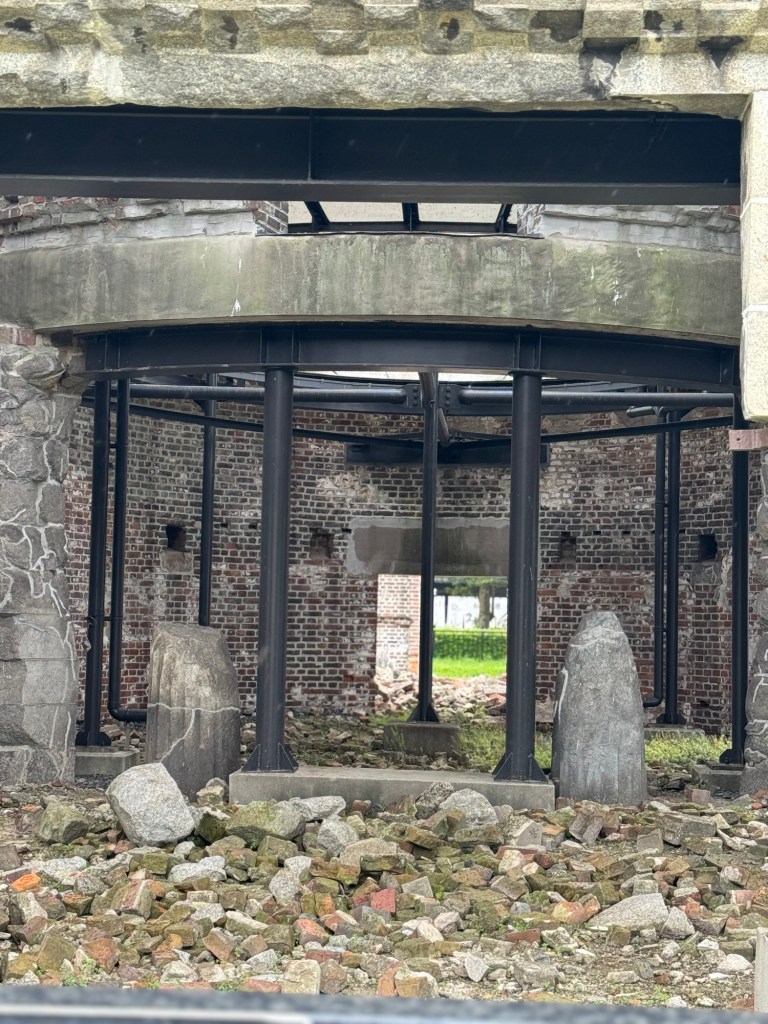
Visiting Hiroshima today, one would never know the catastrophic results of this event other than viewing the site of the Atomic Bomb Dome. This building used to be known as the Hiroshima Prefectural Industrial Promotion Building. It was primarily used to promote and sell local products in addition to being a popular venue for art exhibitions. It was designed by a Czech architect named Jan Letzel and had a bold European style. It sits right next to the Motoyasu River having a lovely view of the water and the bridge. Today, it sits as a memorial to the estimated 140,000 people who died in Hiroshima by the end of 1945.
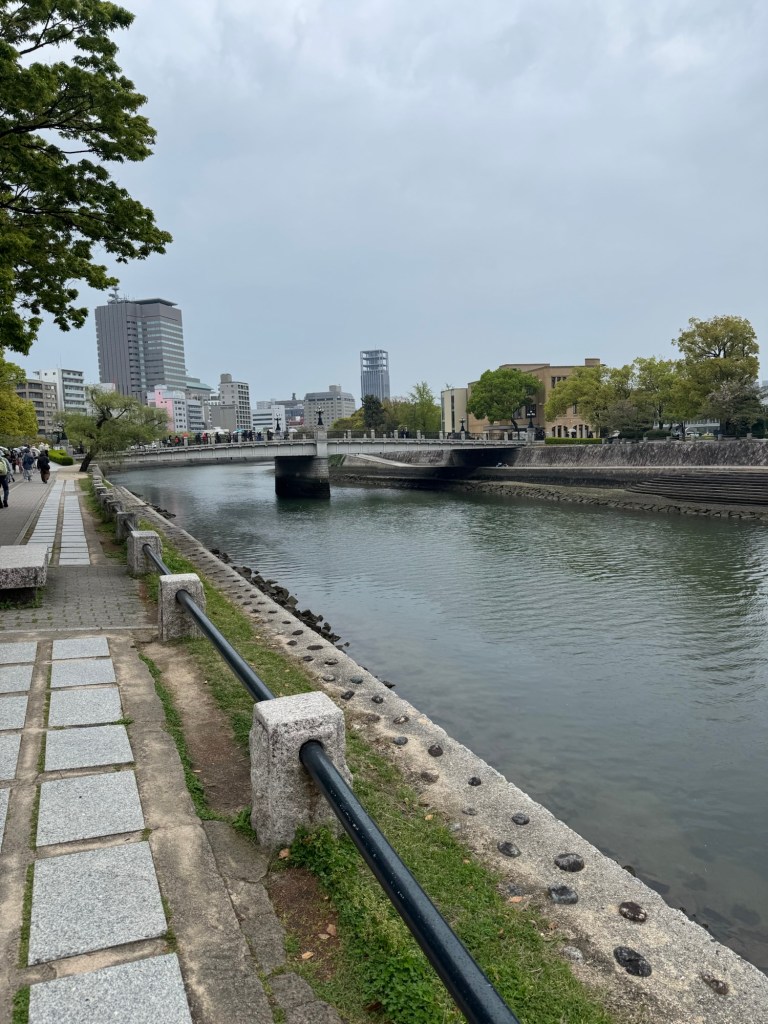
From the Dome, you cross the bridge and come to the Hiroshima Peace Memorial Park. This park is thoughtfully and beautifully designed to instill a sense of peace as you walk through it. There is an abundance of tress and flowers along with reminders of the reason it was given its’ name. In addition to the ones below, there is the Bell of Peace, the Children’s Peace Memorial, and the Memorial Cenotaph For the A-Bomb Victims. It holds the names of all known victims from the bombing. I’ve included pictures of these on my FB page. Below are some other sites to visit at the park.
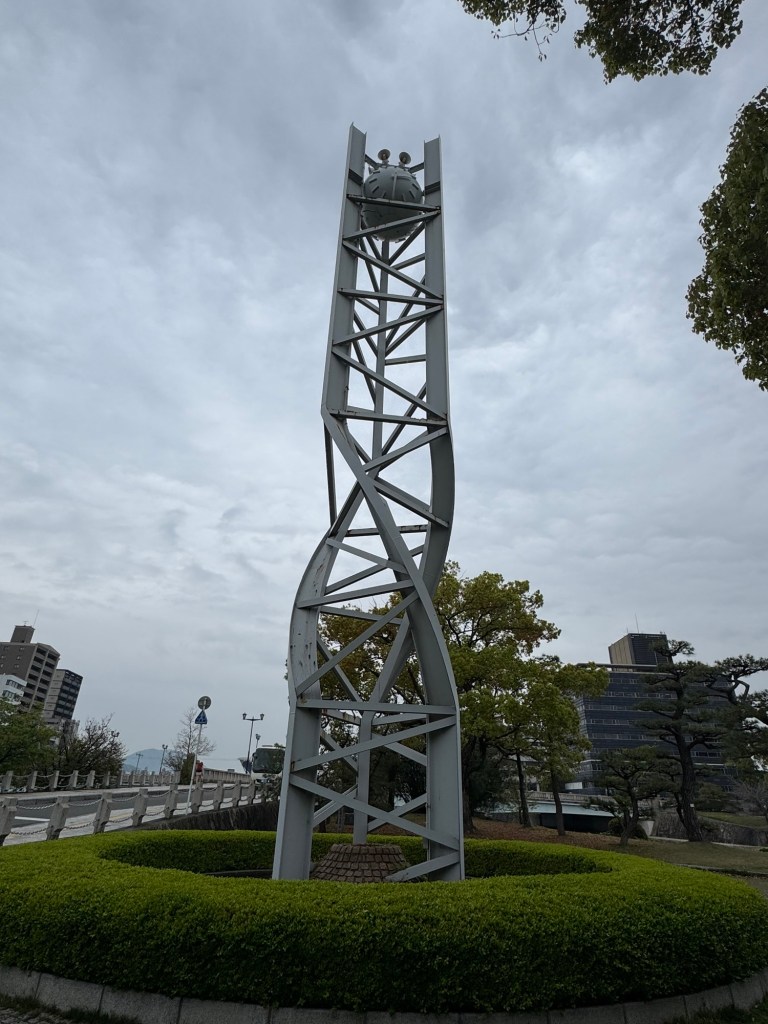
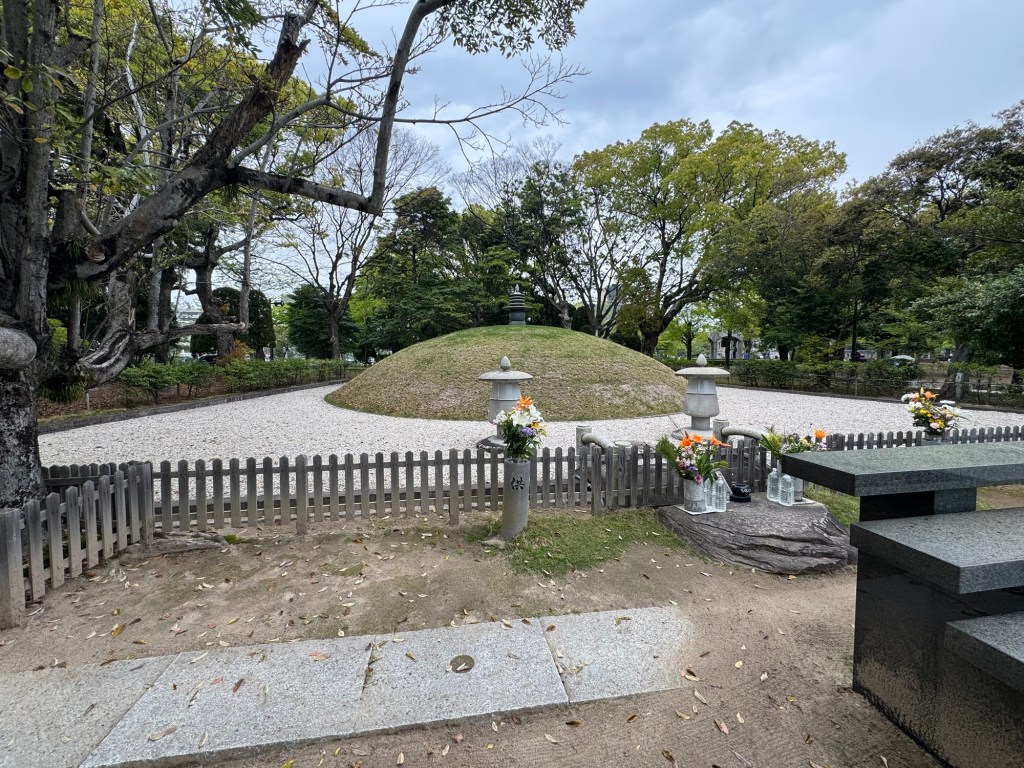
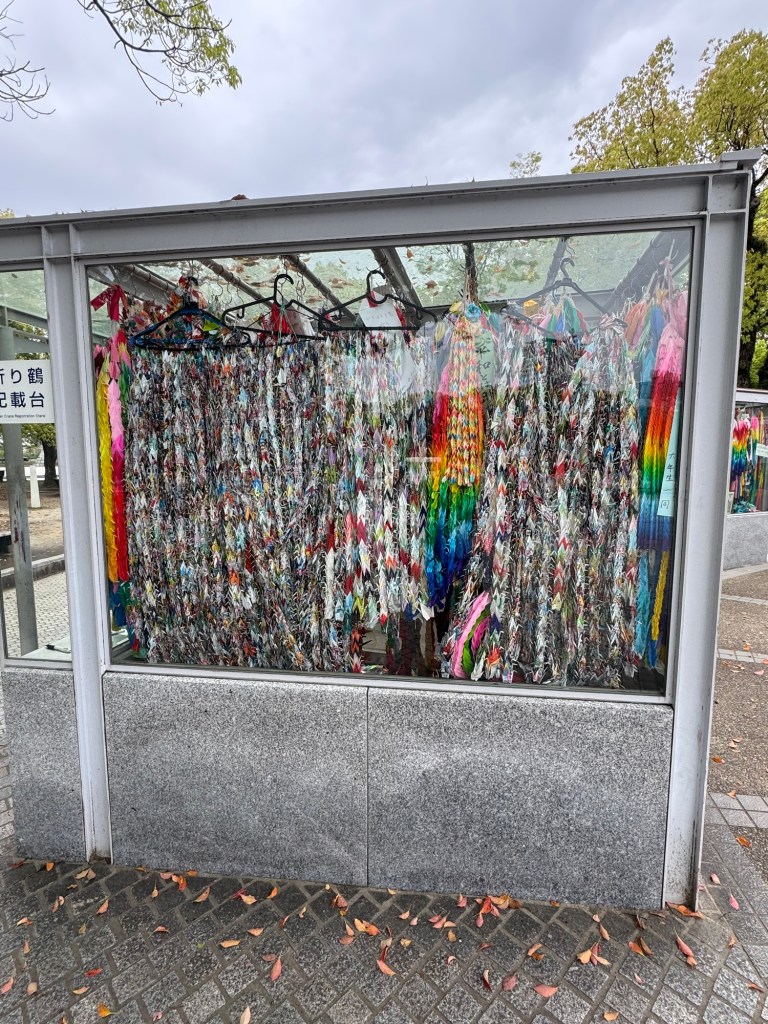
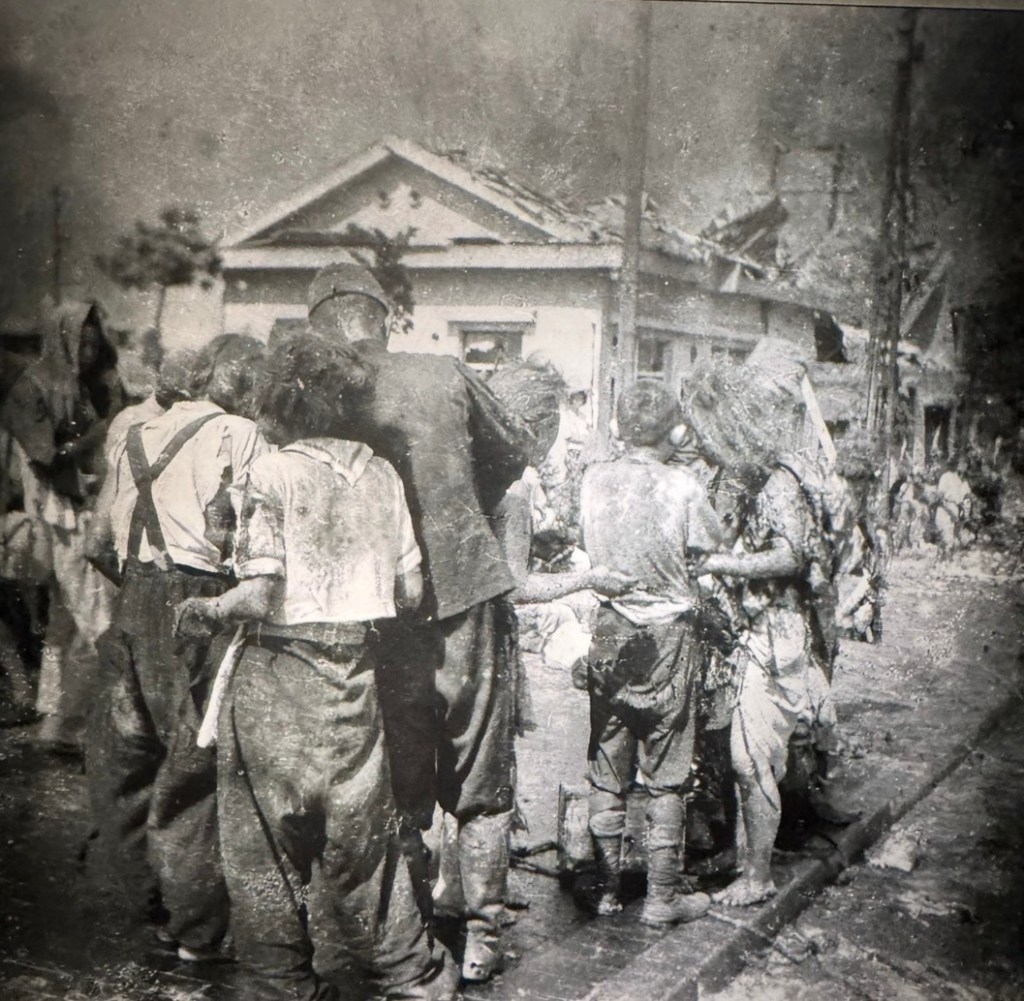
The Hiroshima Peace Memorial Museum is located at the southern end of the park, and when visiting Hiroshima, it is a must to explore. It is one of the most moving museums I’ve ever visited depicting the horrors of August 6, 1945 through photos, artifacts and stories. The descriptions of what unfolded from that event is gut-wrenching as you listen to and see the agony of unbearable pain from the burns endured by those present. One Japanese photographer, whose photos are on display at the museum, described how he tried to take pictures of victims, but it took him 20 minutes to shoot his first one due to the emotional trauma he experienced. He describes people screaming in pain, their flesh hanging from their bodies and begging for water. Below are just a few pictures of the exhibit which is surreal when seen in person.
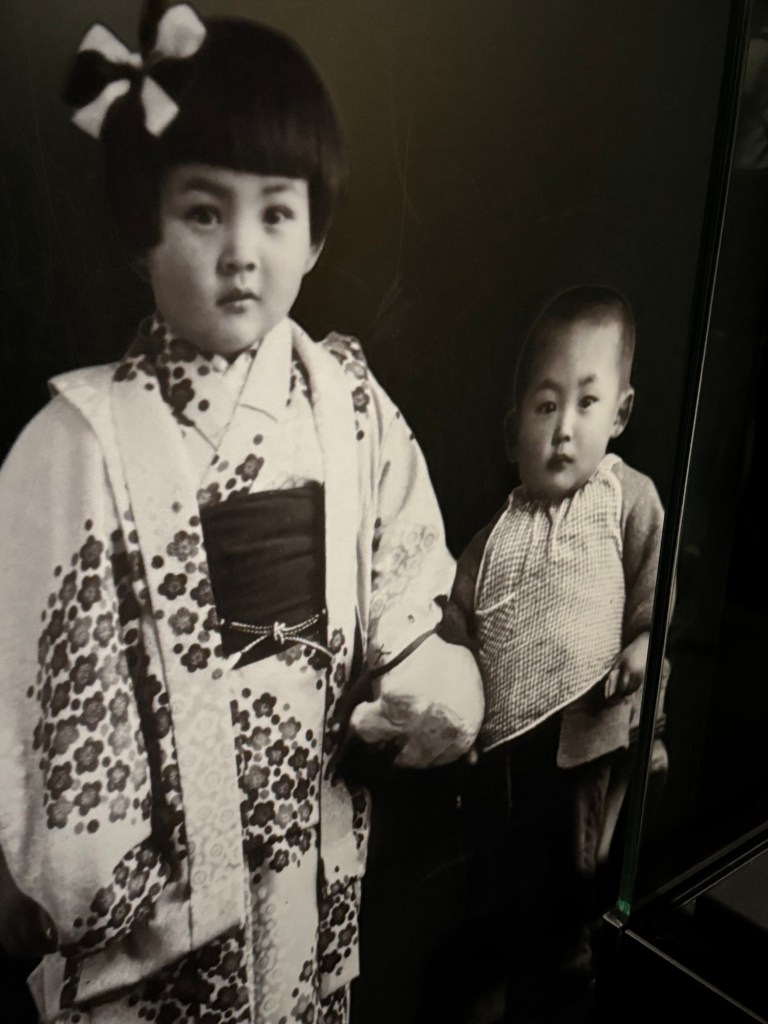
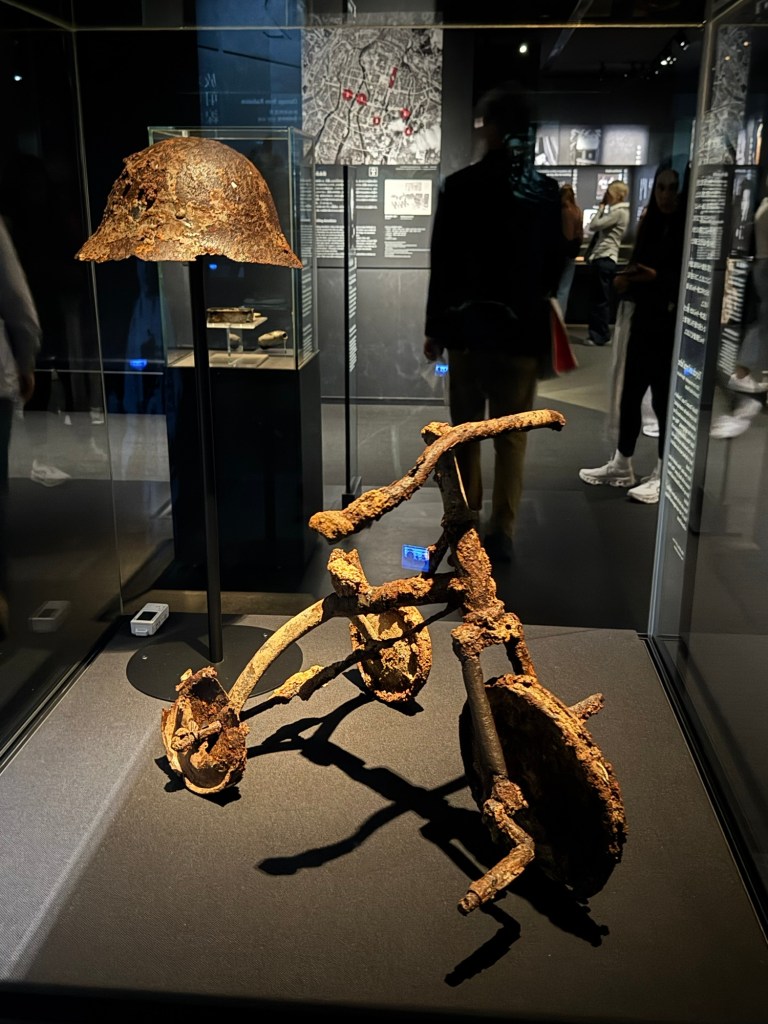
These were the pictures and stories that hit me hard, the children and their families who endured the worst possible moment in their lives and which every parent fears. The top two photos show a sister and brother, the little boy was Shinichi Tetsutani and was three years old when riding his tricycle close to a mile from the hypocenter when the bombing occurred. He was severely injured, his father doing everything he could to make him comfortable as he cried in pain and asked for water repeatedly. People had been told not to give water to victims as that could cause their death. For this reason, Shinichi’s father did not give him water. The toddler died that night from his wounds. His father could not bring himself to have his body cremated, so he buried him with his helmet on and the tricycle in his backyard so that Shinichi could still ride it after his death. Forty years later the father dug the his remains to bury them in the family grave. In addition to Shinichi, the family lost their two other children, daughters Michiko (7) and Yoko (1).
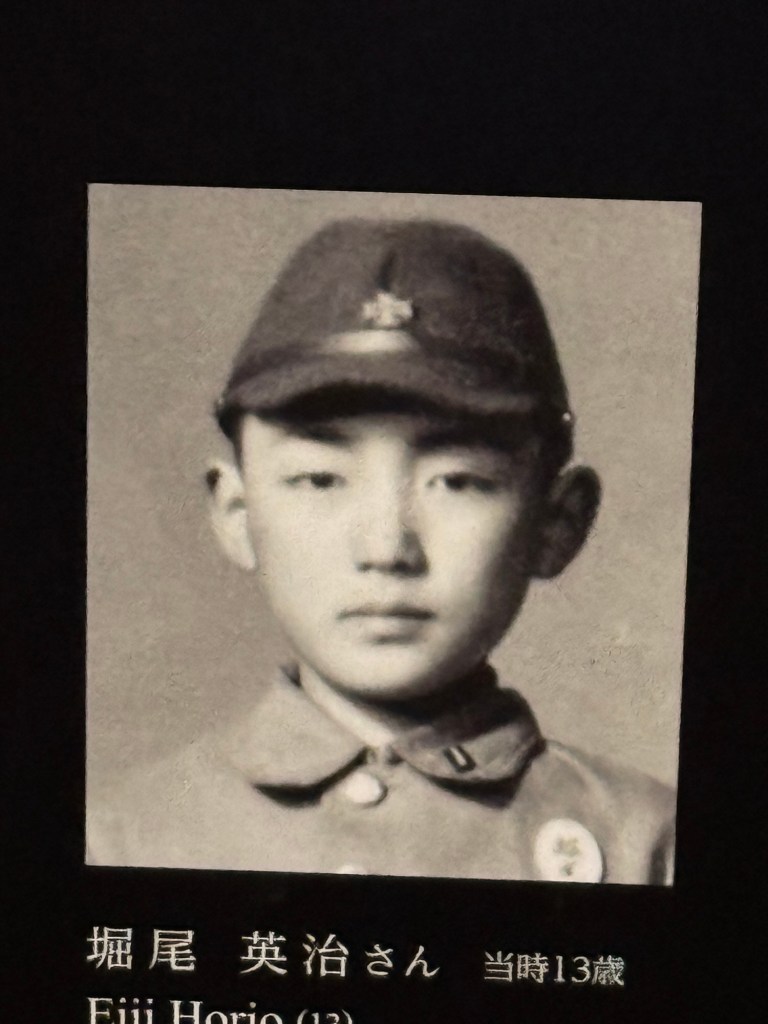
The bottom left picture is of Eiji (12 or 13) who was at a building demolition site along with hundreds of other children that were mobilized to work at such sites to create firebreaks in the city as wartime labor. When found by his parents, Eiji was still wearing his uniform and name tag which helped identify him. His parents cut his uniform from his body and preserved it then donated it to the museum.
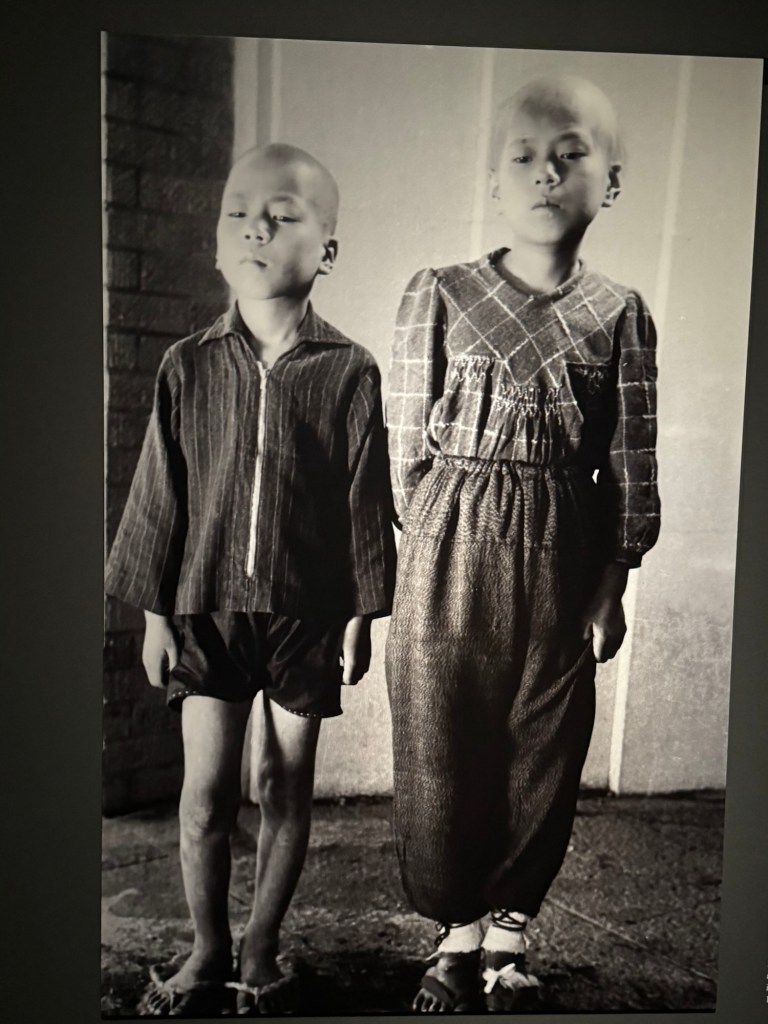
The right bottom picture is of a brother and sister, Tori (7) and Aiko (9) who were exposed to the radiation from the bomb. Days after the exposure their hair began to fall out and later developed other symptoms experienced by many victims such as loss of appetite and bleeding from the gums. Toru died four years later and Aiko twenty years later, both falling ill as a result of their exposure to the poison spread by the Atomic Bomb.
The museum is a testament to the lives that were lost and the impact to the survivors. It tells the story of this horrific event in an honest, sometimes brutal way, yet poignant and with hope for our future that we could do much better.
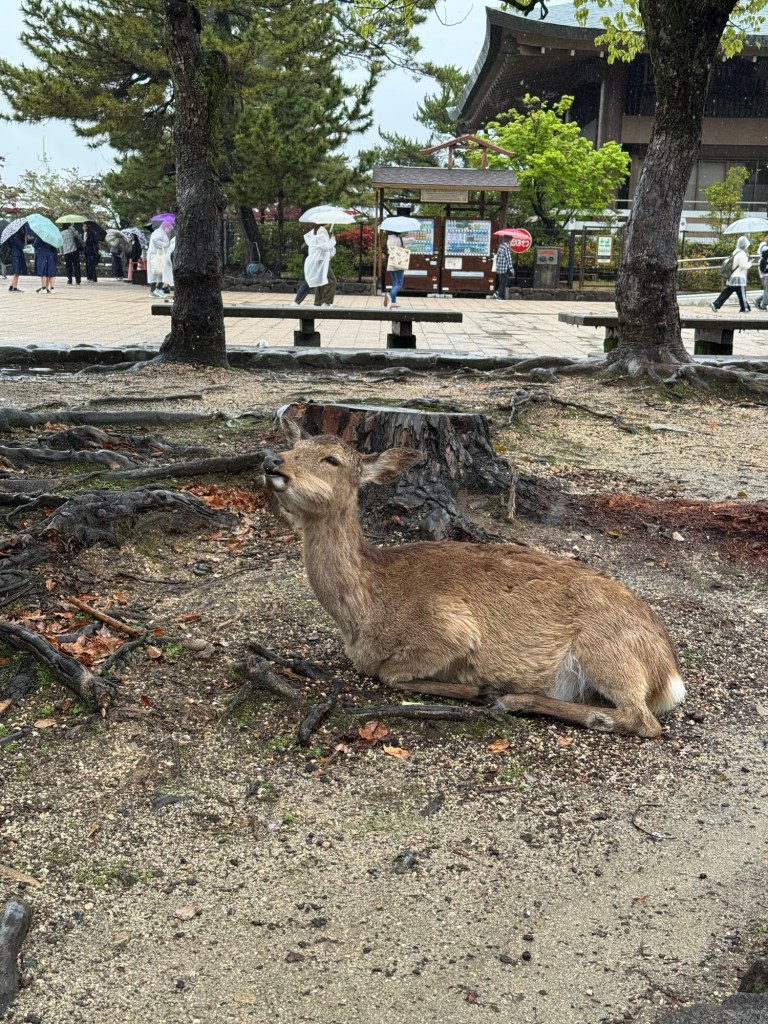
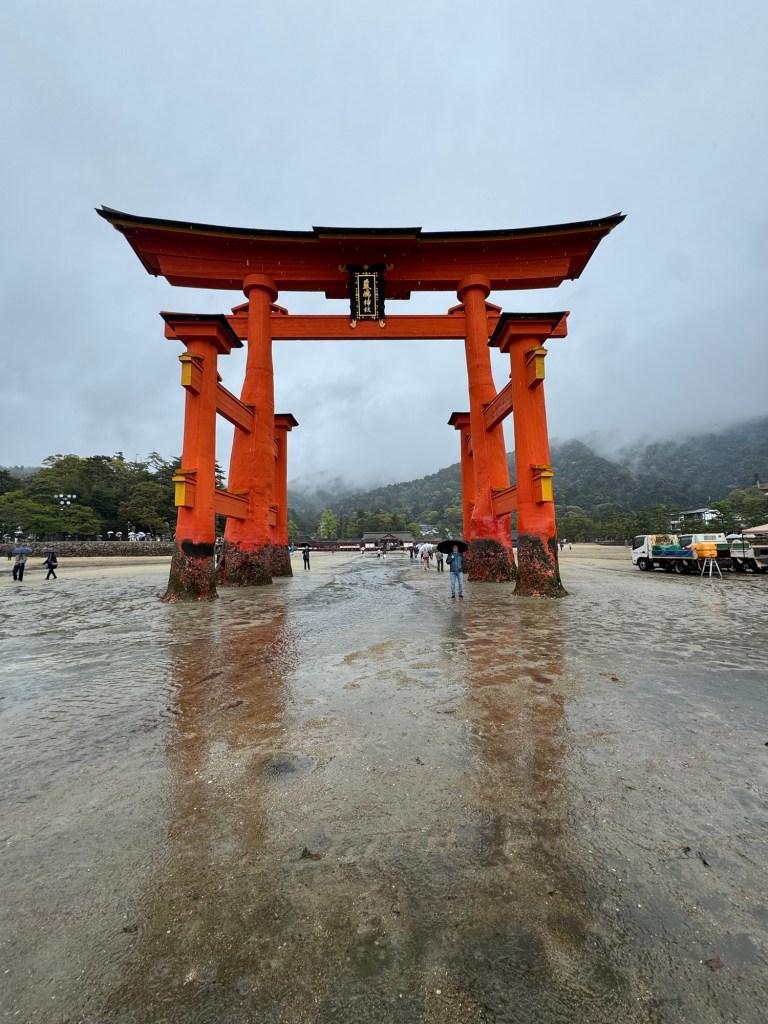
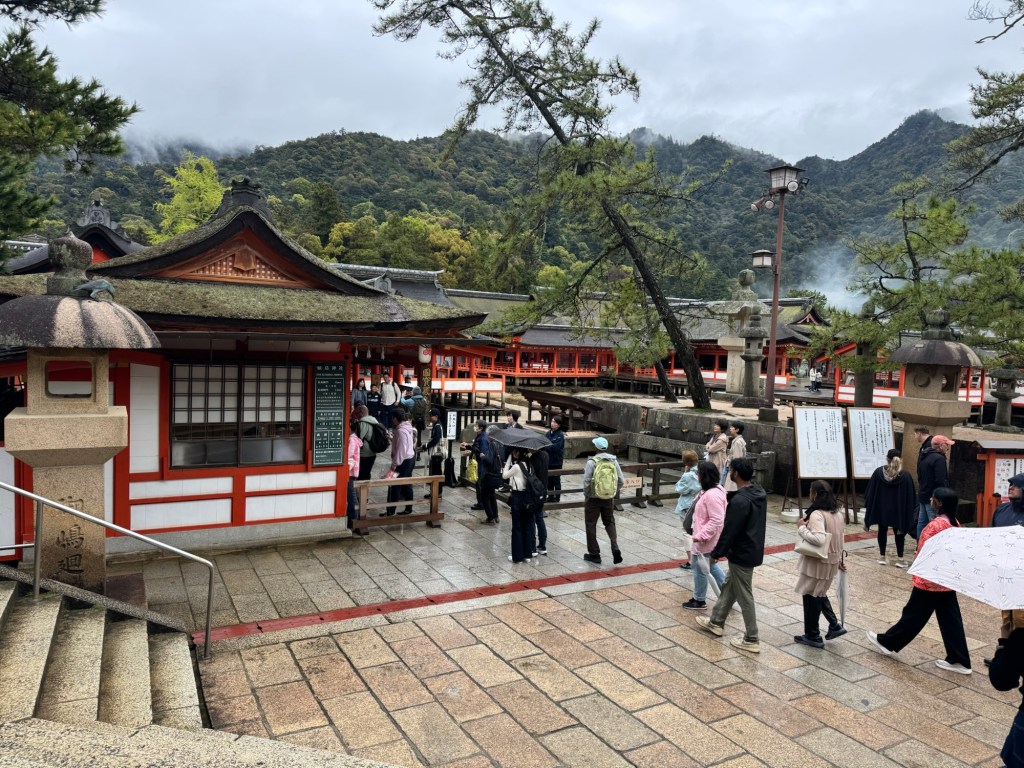
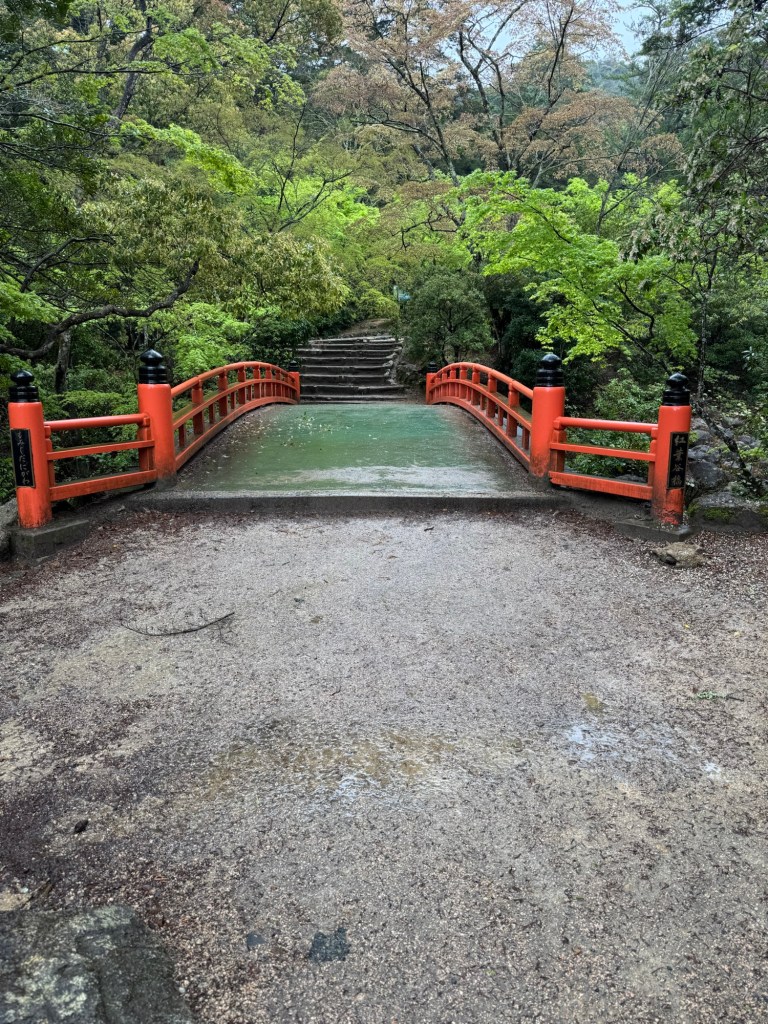
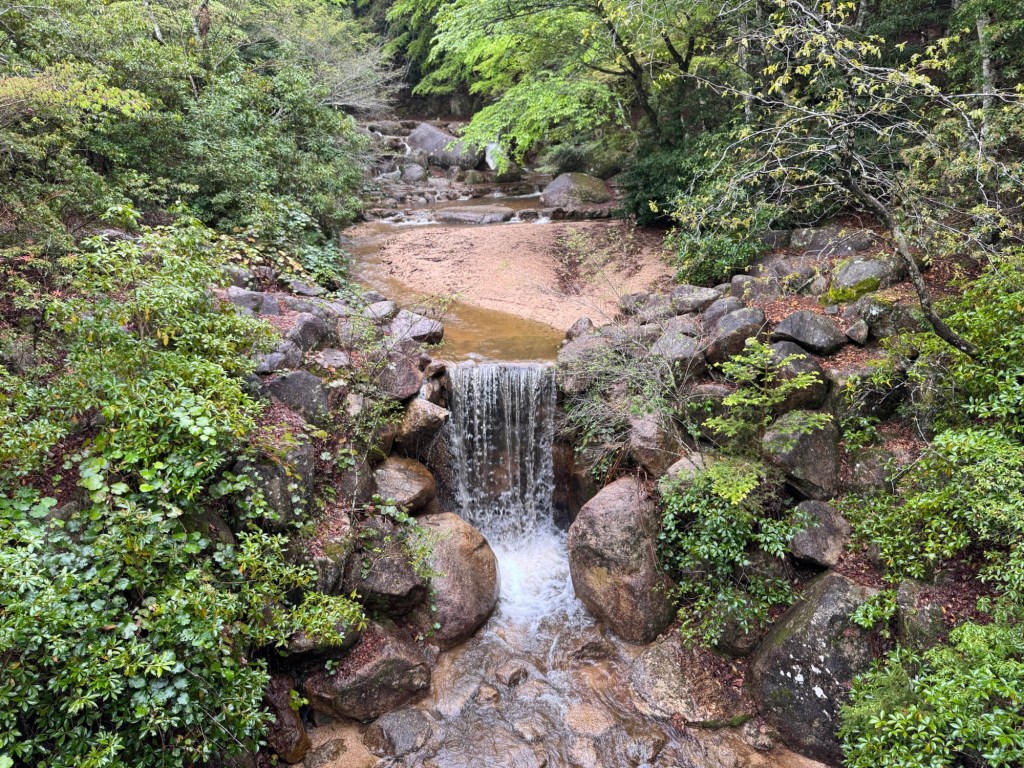
After visiting the museum, we took a ferry to Miyajima Island, and it was the perfect place to rejoice in nature and the beauty of this country. A few minutes after arriving to the island, we encountered several deer. I immediately fell in love with this island. We visited the Otorii Gate, Itsukushima Shrine, and hiked the trailhead of Momijidani Park. Here are a few photos of our visit there.
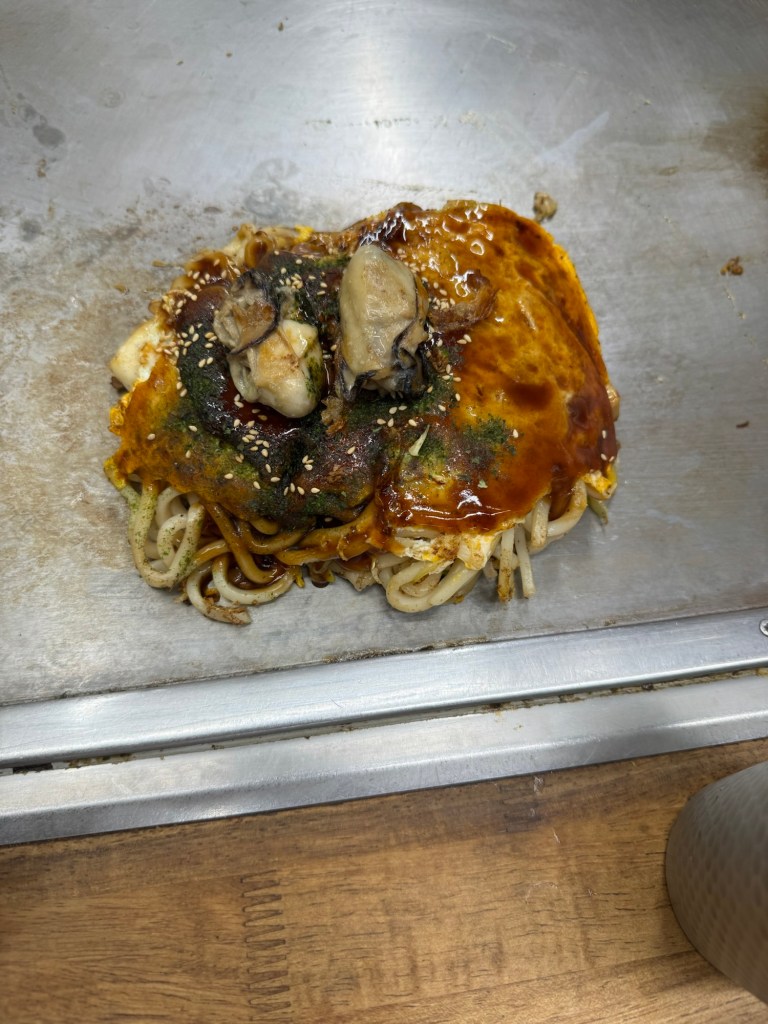
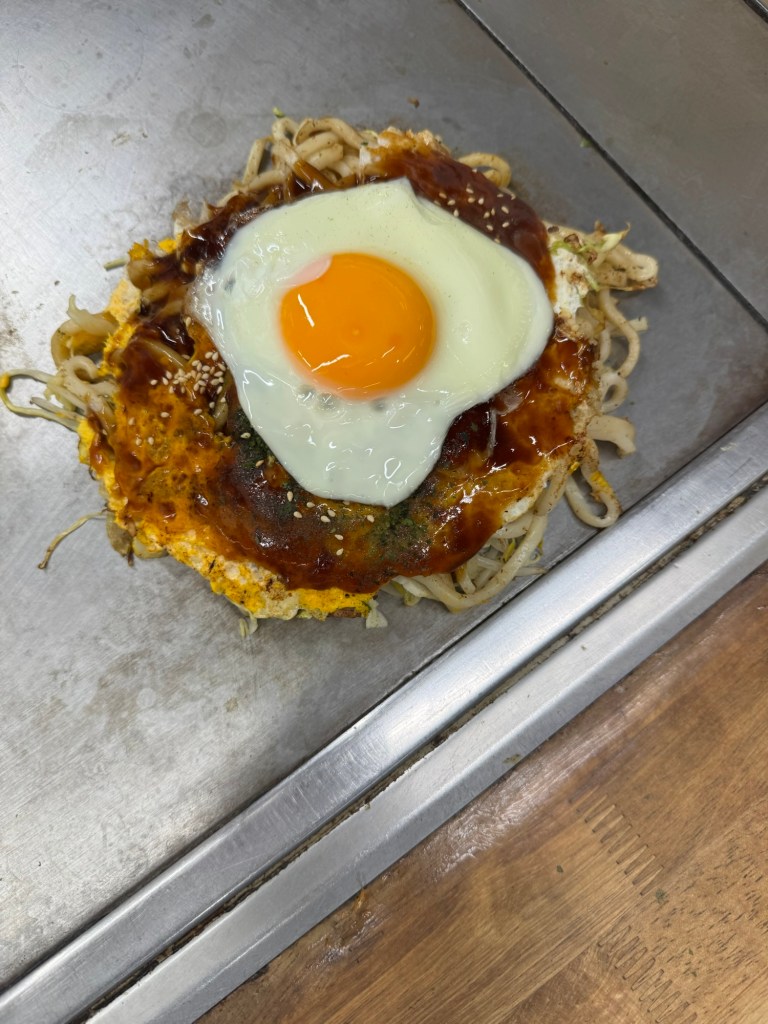
We ended our trip by going to Okonomimura and trying the Okonomiyaki. This dish is made on a flat top grill and contains a light batter, noodles (either soba or udon), cabbage, bacon with a protein of your choice. It is topped with seasoning, green onions and two different sauces. Neither Jim or I wanted the green onions but we chose our own proteins. Looking at the size, we both were apprehensive that we wouldn’t be able to finish it, but boy were we wrong! It was delicious and very satisfying.
We are currently on a train to Kyoto, leaving Hiroshima with a full heart and renewed hope that our world can find peace again. With a deep appreciation and much respect for the people of Hiroshima, we say Arigatō.


Leave a comment