We often talk about our bucket list items, and all of them are focused on experiences. We’re really not into material things, other than our phones; however, travel and hiking are the theme of our retired life bucket list along with grand parenting now. Japan has always been a bucket list destination for us both. The culture, the gastronomy, the history and the spirituality of this country are several reasons for our wish to visit this land. When the opportunity came up for us to plan a trip here, we jumped at it.
We began our trip by flying into Tokyo. This city is roughly the size of California in population, but in terms of size, Japan is about 94% the size of our state. Therefore, Tokyo should feel like it’s wall to wall people, but it doesn’t. Our first full day in the city, we walked approximately 15 miles, and there were only two spots that felt crowded – Senso-ji Temple and Shibuya Crossing. Both of these locations are highly populated with tourists, and if you come to Tokyo for a visit, you need to experience it all.
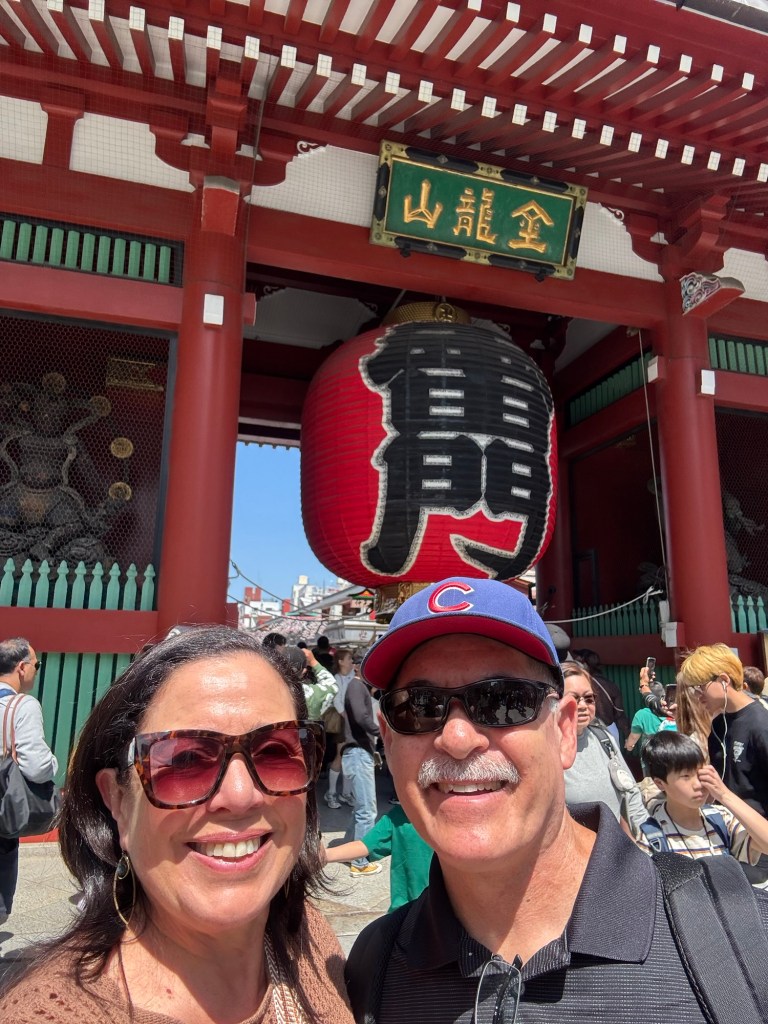
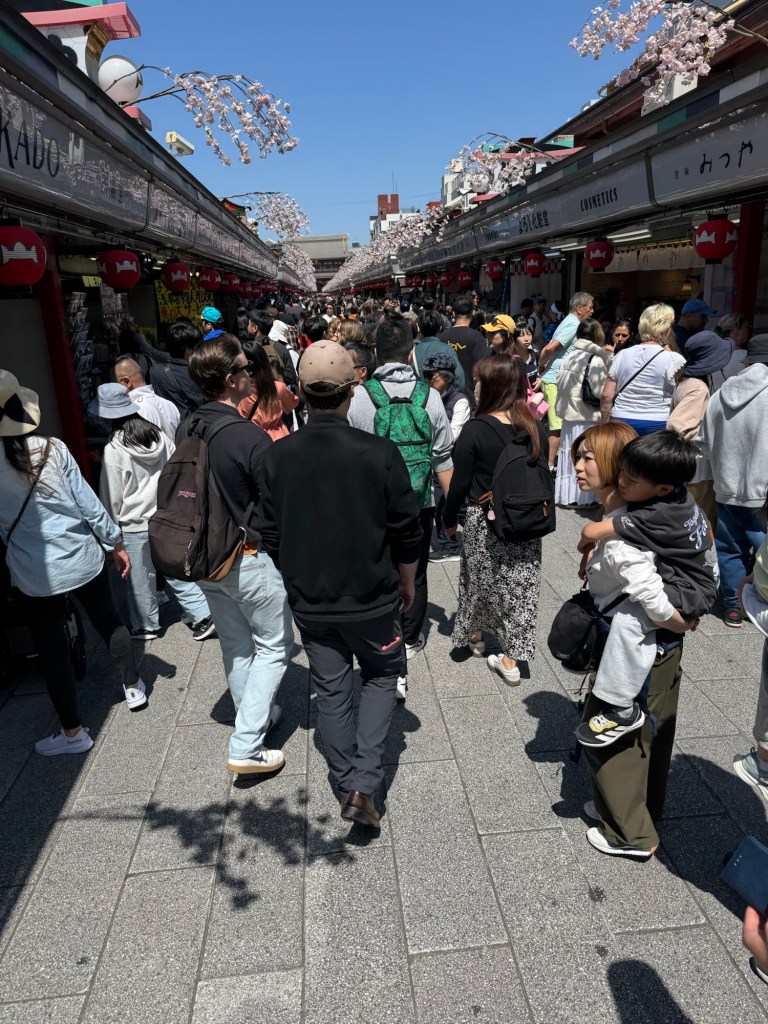
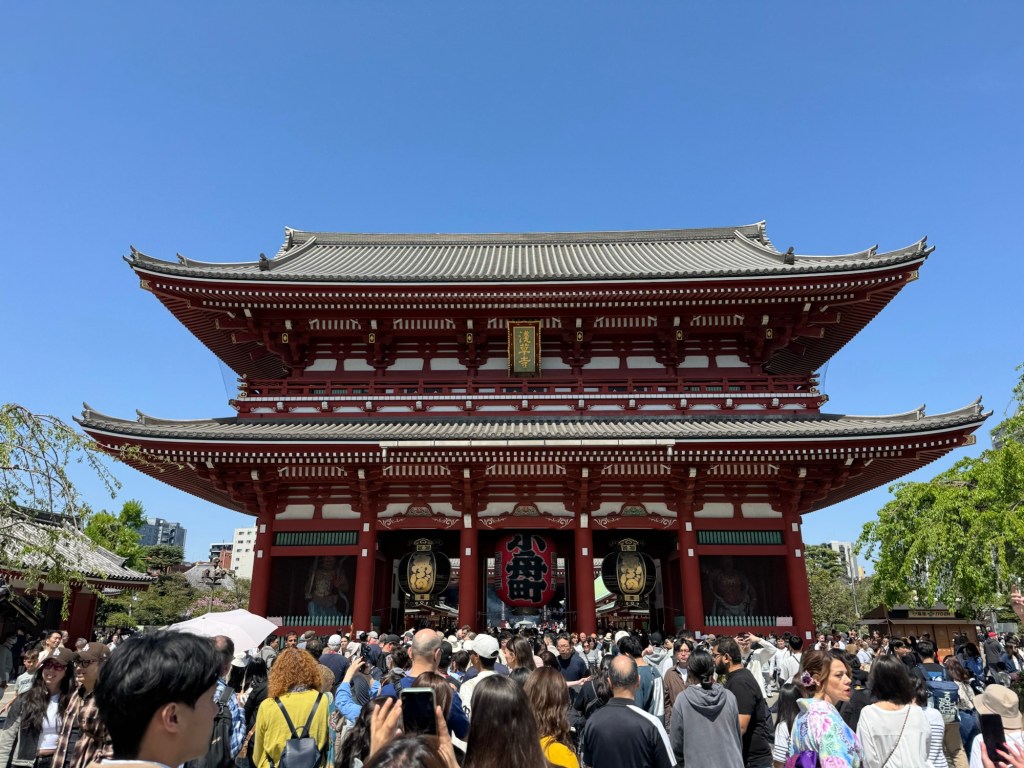
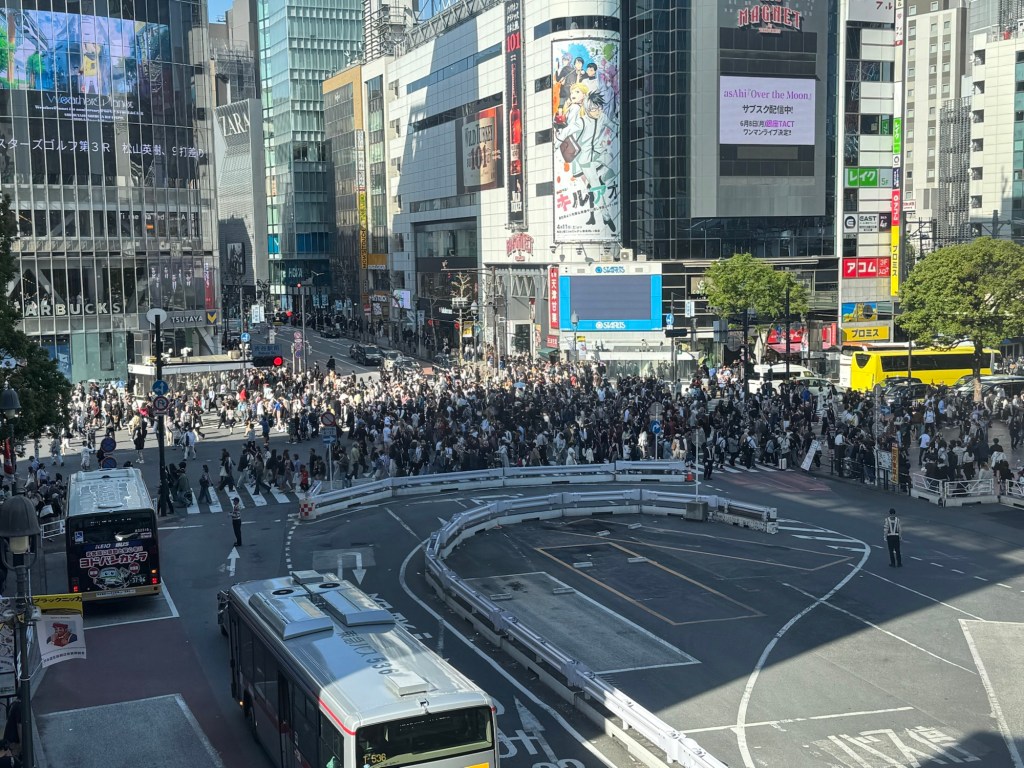
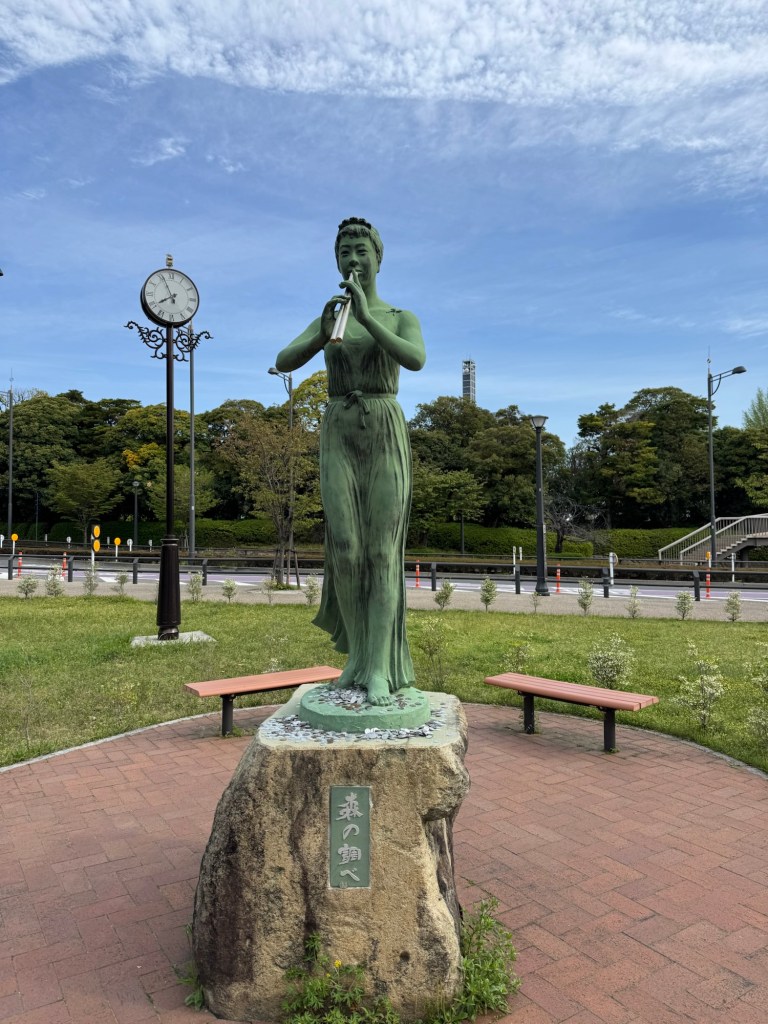
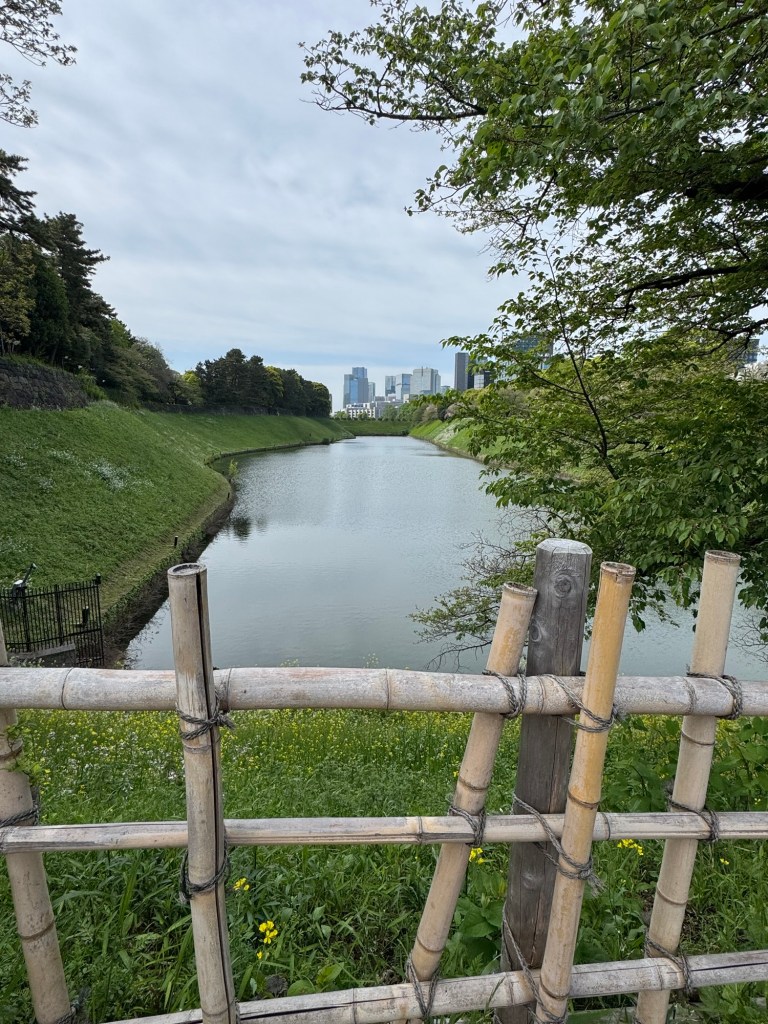
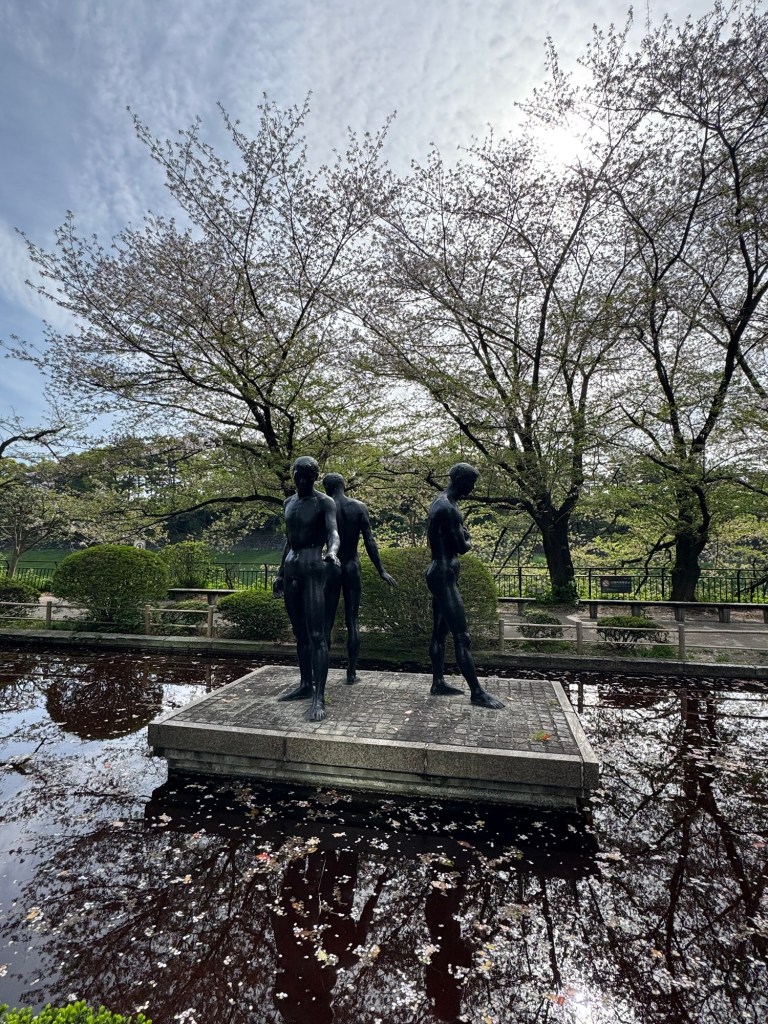
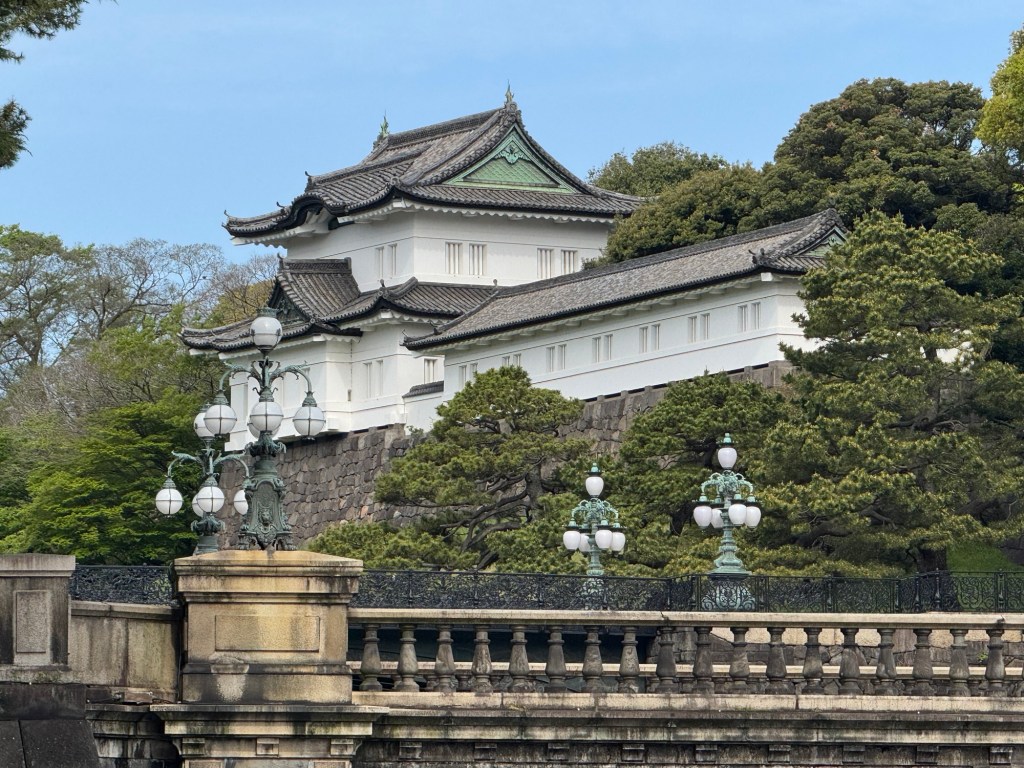
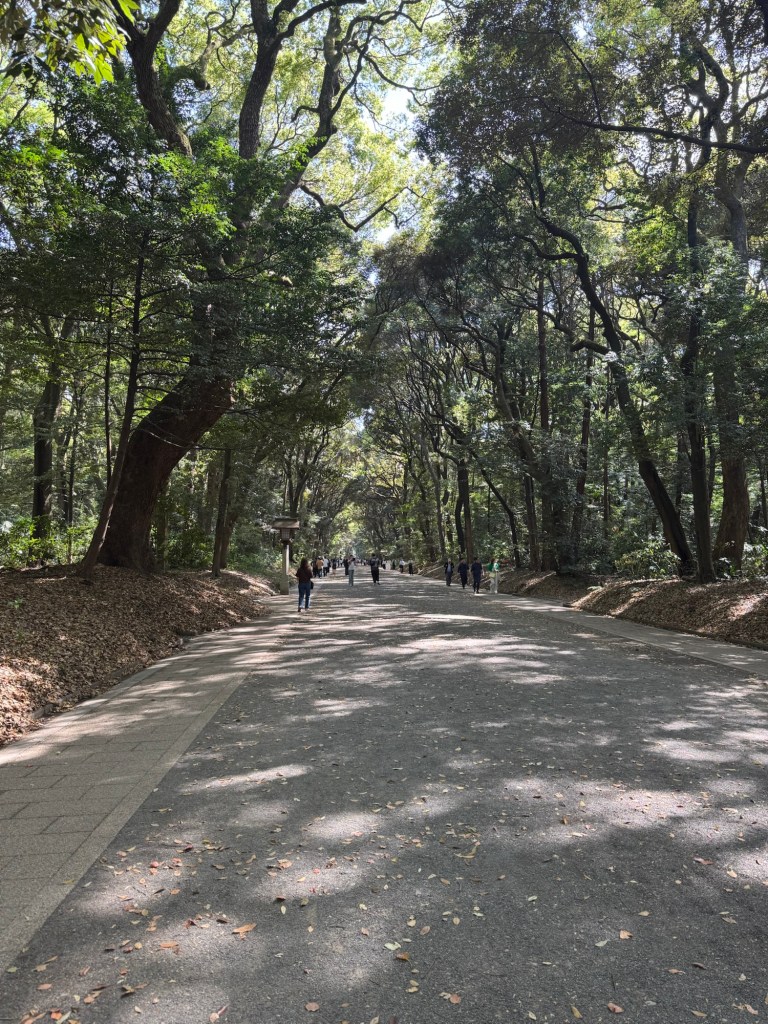
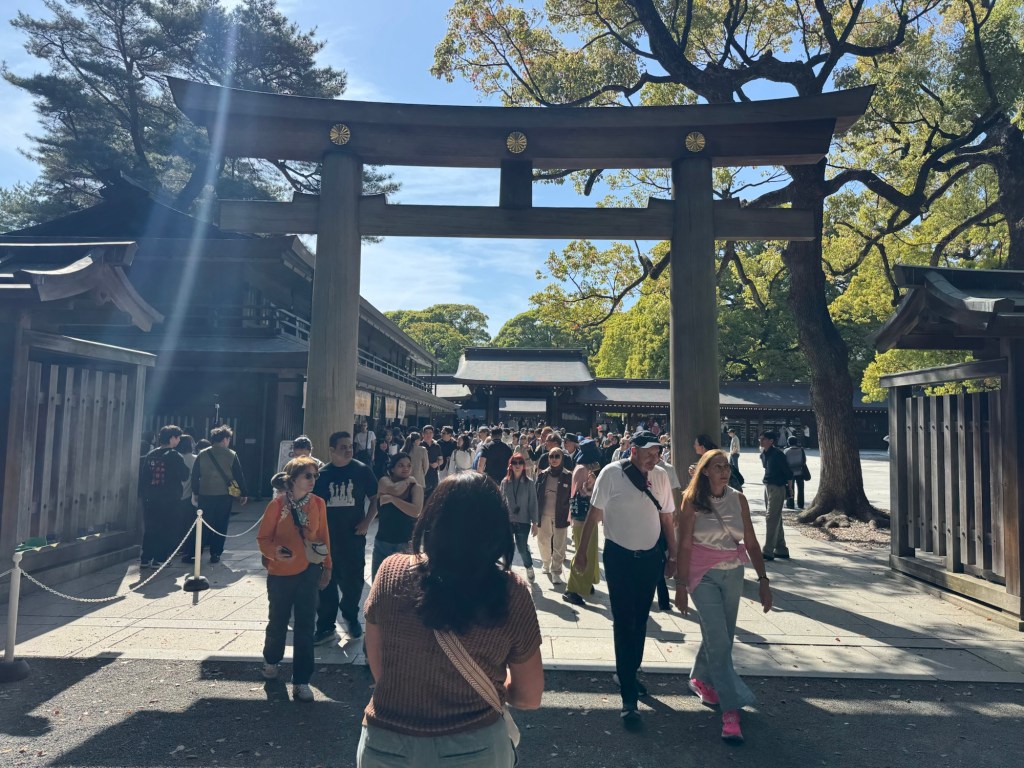
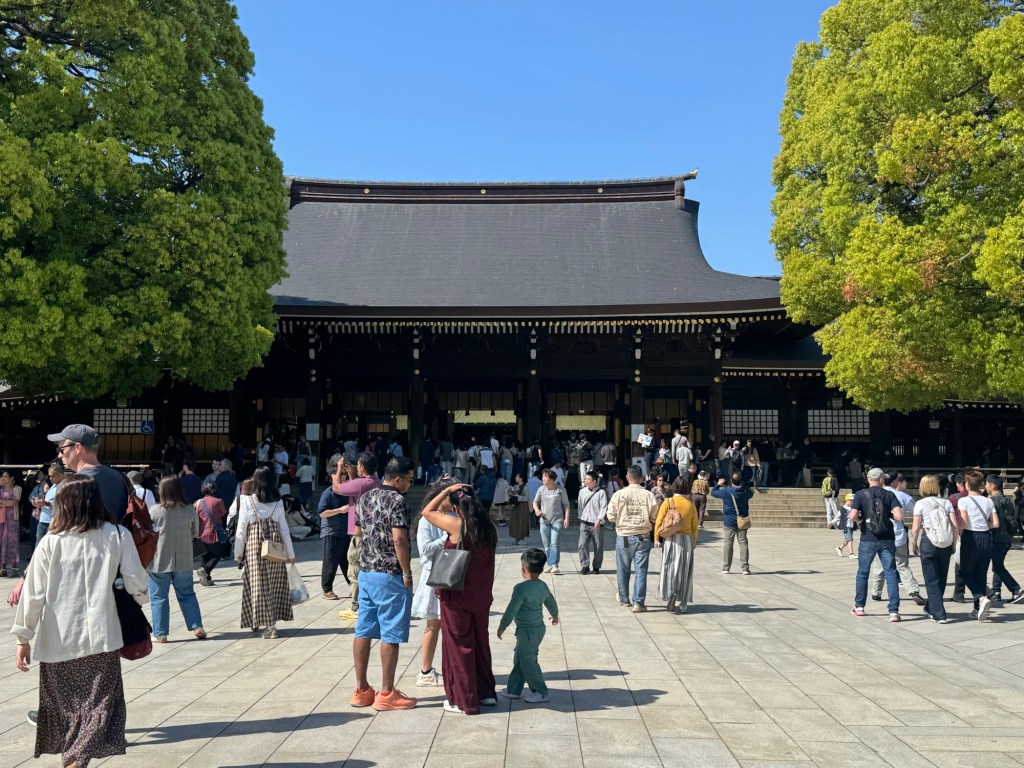
Even though the above touristy spots are filled with people, there are other spots in Tokyo that are quieter, more spacious and lovely to explore. Two other places we visited this day were the perimeter of the park where the Imperial Palace is located and the Meiji-Jingu Shrine. Unfortunately, the season for entry to the Imperial Palace does not begin until April 14th, the day we depart for Hiroshima; therefore, we couldn’t go into the grounds or take a tour of the palace. However, the area where the Meiji-Jingu Shrine is located was open and proved to be a tranquil spot in the middle of this metropolitan city.
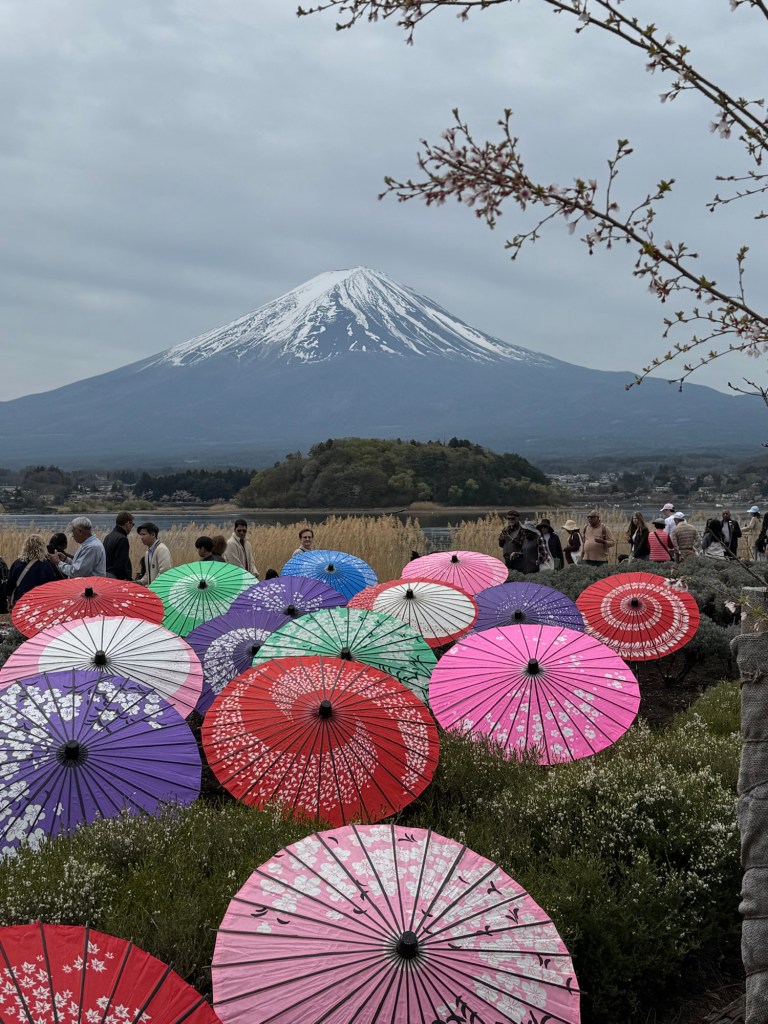
Our second day in Tokyo, we got out of the city via a Mt. Fuji excursion I booked for us. I had read that weather in the area where the mountain is can be fickle, and we may not be able to see the whole mountain. I was hoping we would get lucky, and we did! Even though it was cloudy, we were able to see Mt. Fuji completely, and we were thrilled. Here are a few pictures of this majestic spot.
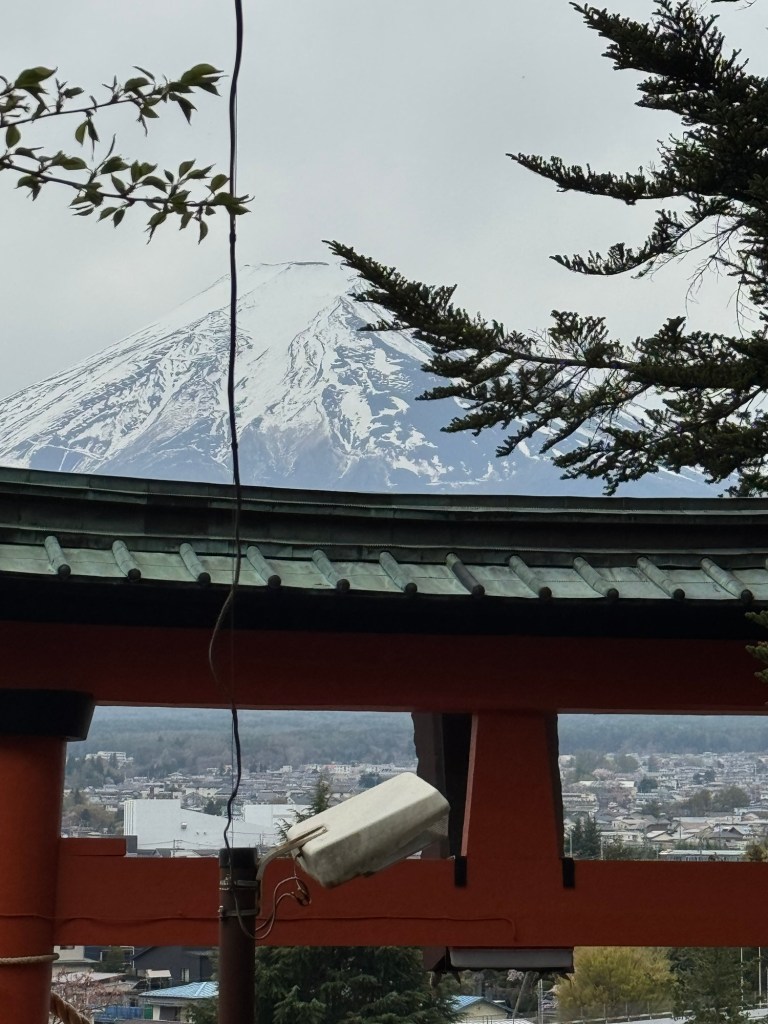
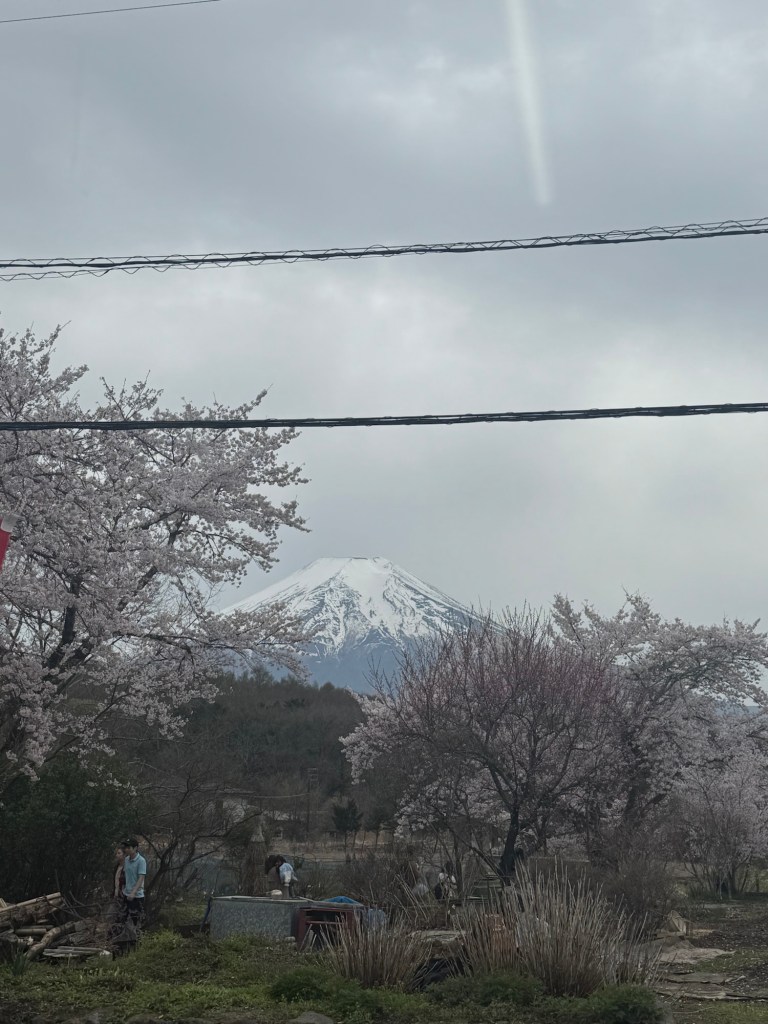
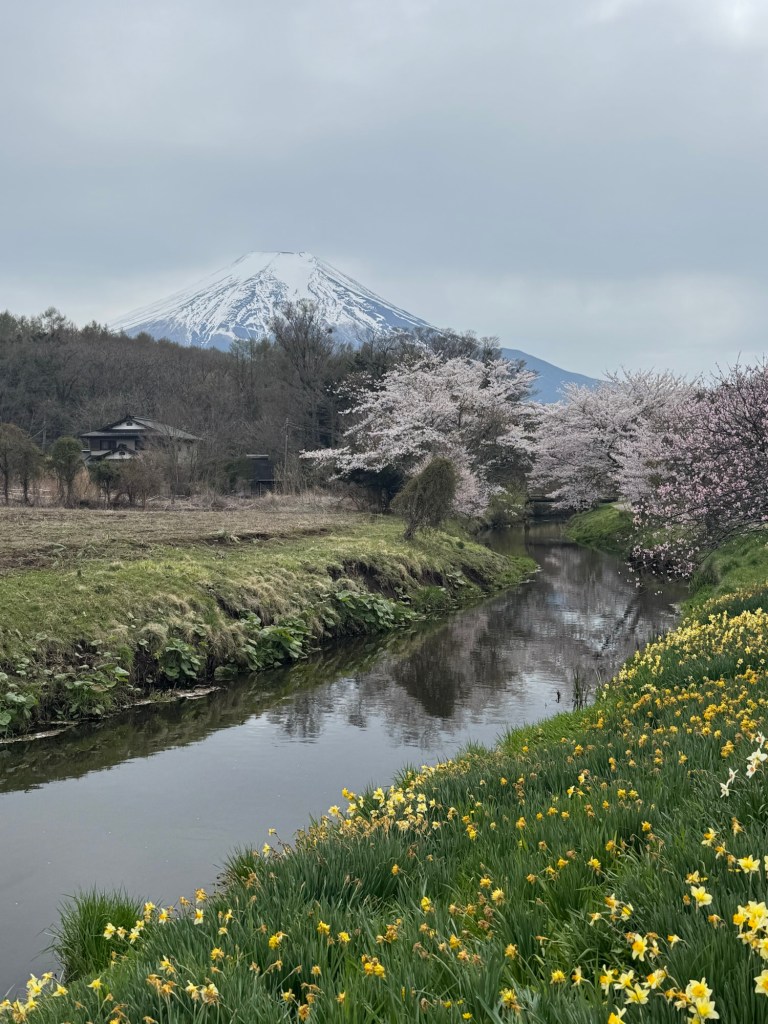
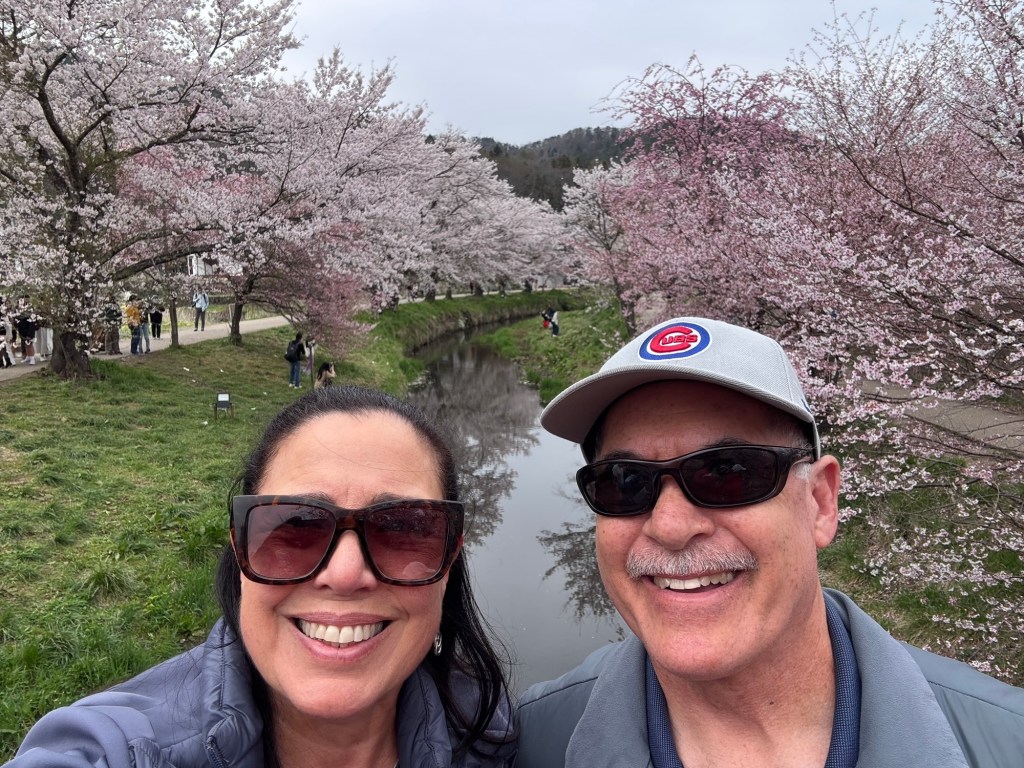
We are now on a Shinkansen (AKA bullet train) to Hiroshima. Our time in Tokyo was short, but we got to see a lot more than we expected. Next time, we’ll have to spend more time in this amazing city.


Leave a Reply