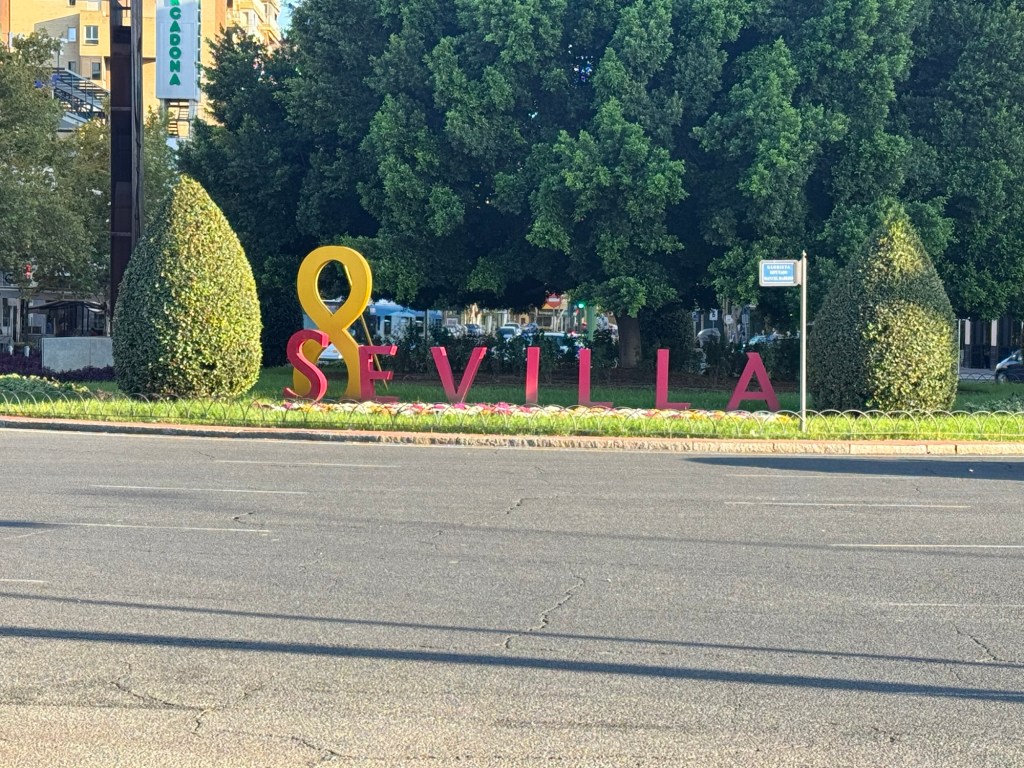
After leaving Cordoba, we took a train to Sevilla, our final city in our Southern Spain exploration. Sevilla is the largest city of the four that we have visited. Its’ population is approximately 700,000 and is the capital of Andalusia. It is a major economic hub for the country and welcomes over 3 million tourists per year, making it the third most visited city in Spain. Being here for 4 days, we could see why it gets so many visitors. It’s a beautiful city with much culture and history.
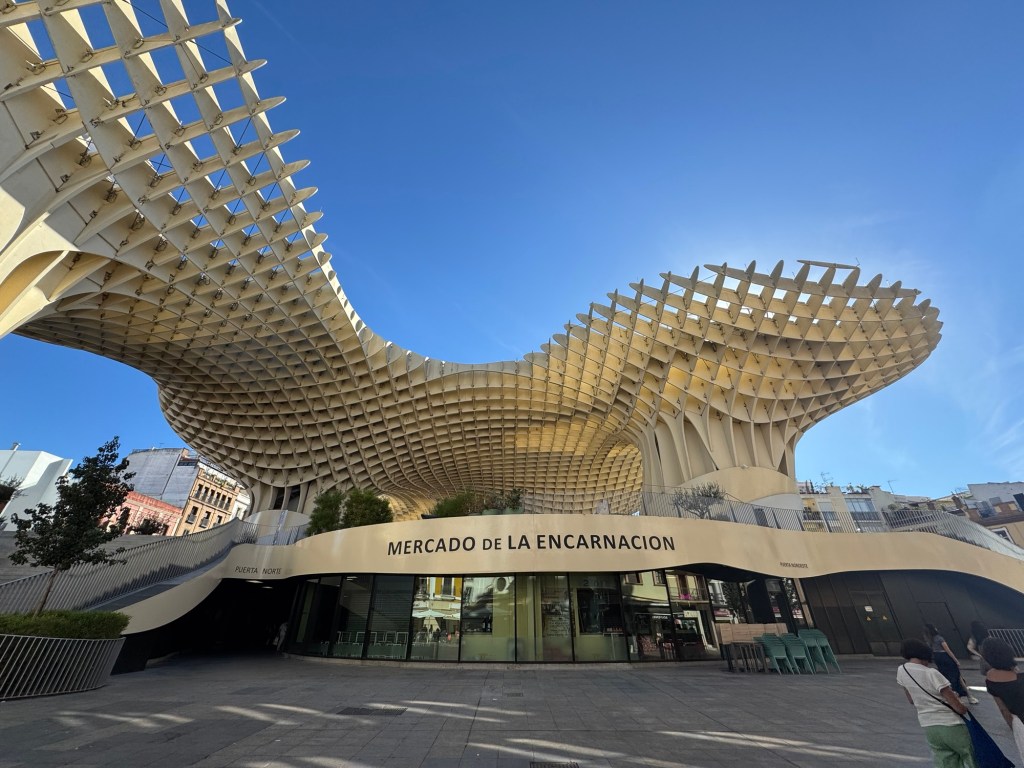
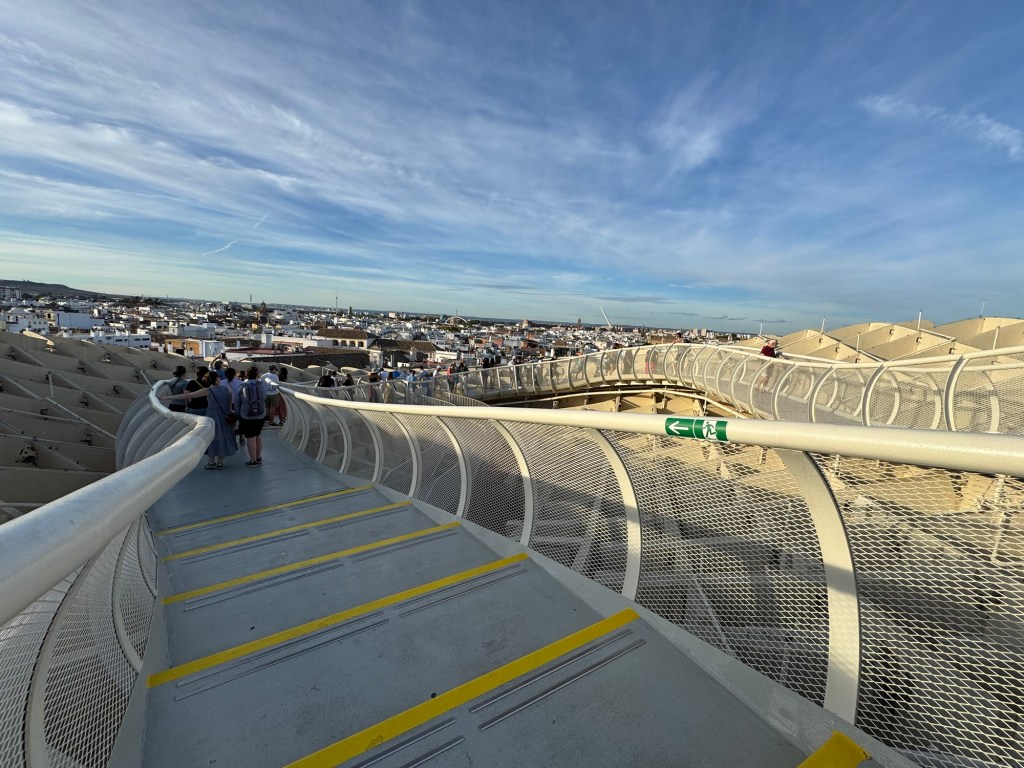
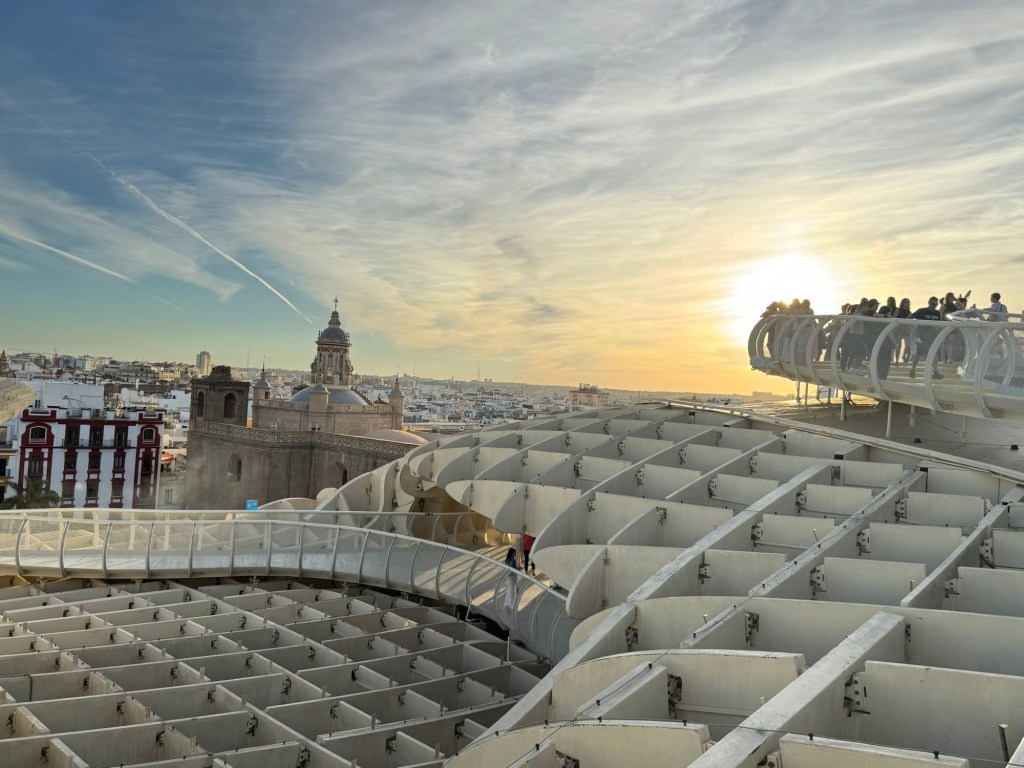
On our arrival day, we visited the Metropol Parasol also known as the Setas de Sevilla or the Mushrooms of Sevilla. This is a large, mostly wooden structure that stands in the old quarter of Sevilla. The wood is covered with polyurethane which makes the structure safe from collapsing due to any possible decay of the wood. It’s a great place to visit to get endless 360 degree views of the city.
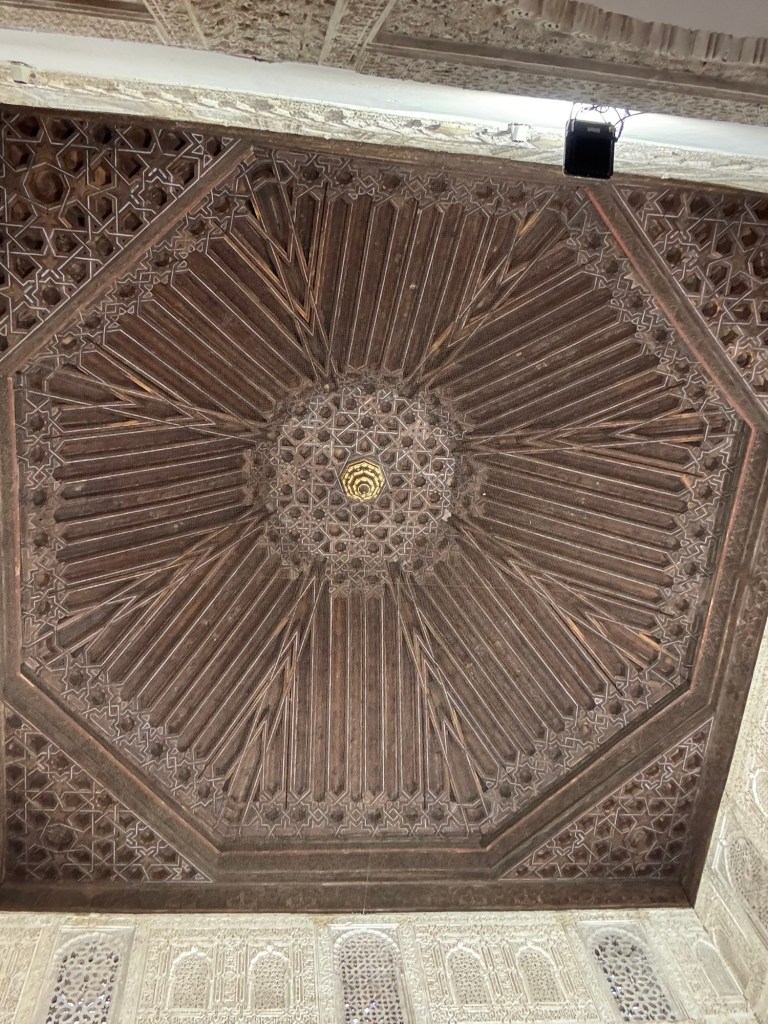
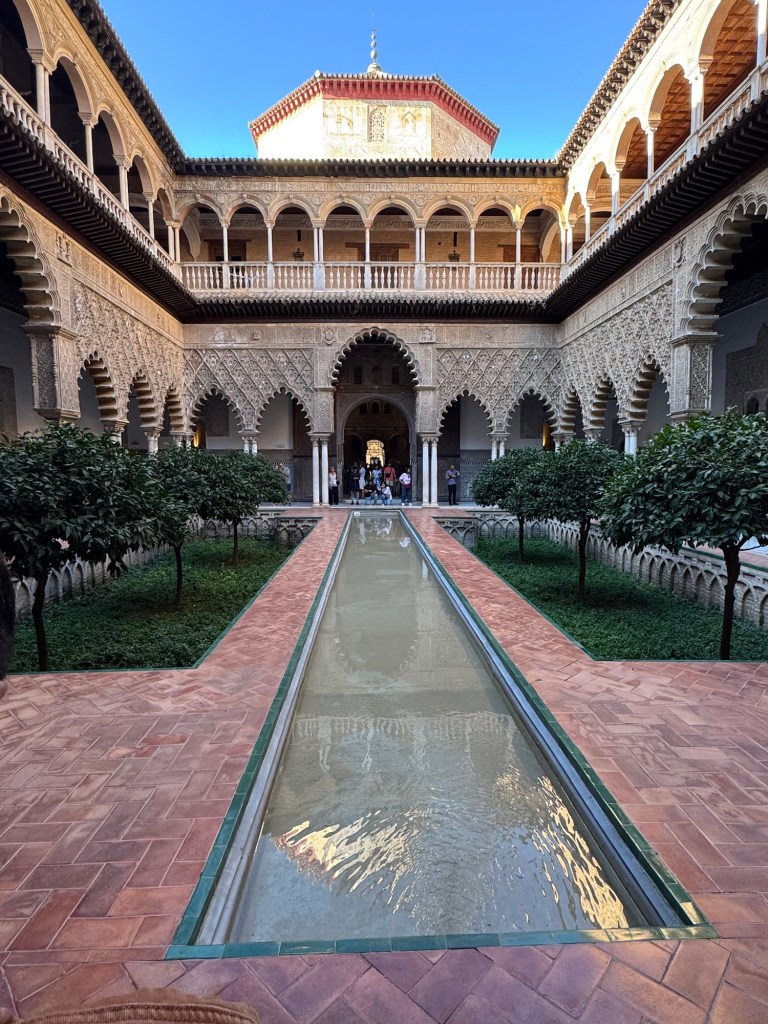
The following day, we visited the Real Alcazar de Sevilla. This is the oldest royal palace in Europe that is still in use. The palace was built in the 11th century and was under Islamic rule up until 1248-49 Castilian conquest when additional rebuilding and replacing continued. The palace was built with Mudejar style but also includes Gothic and Renaissance elements. It was registered in UNESCO as a World Heritage Site in 1987.



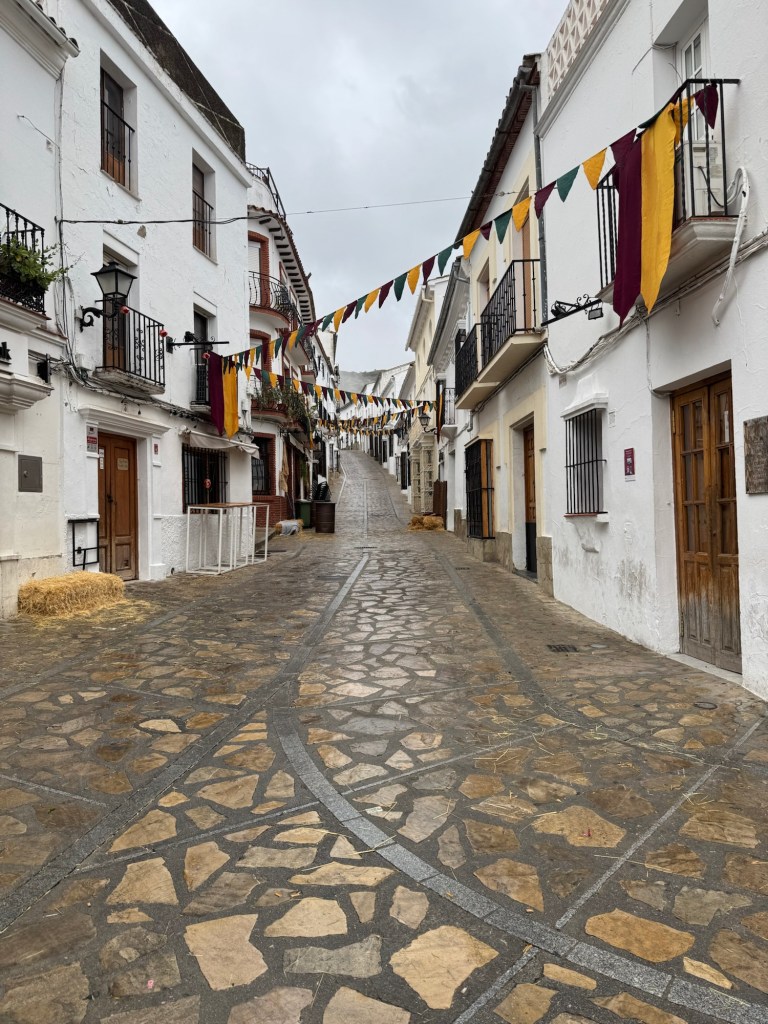
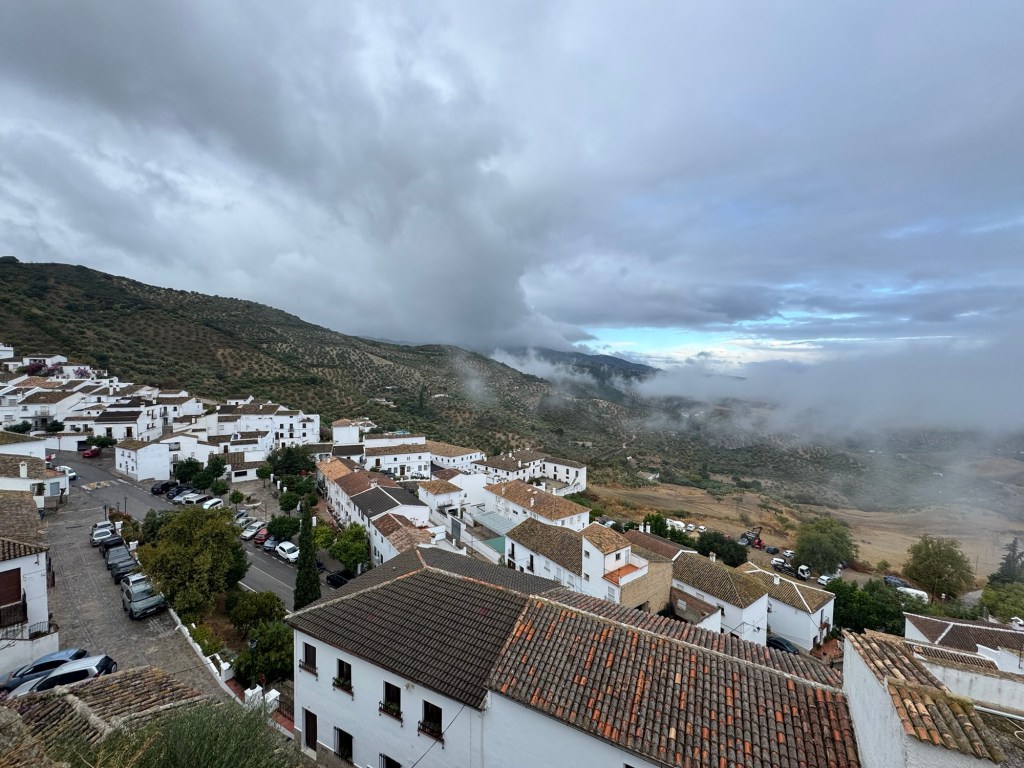
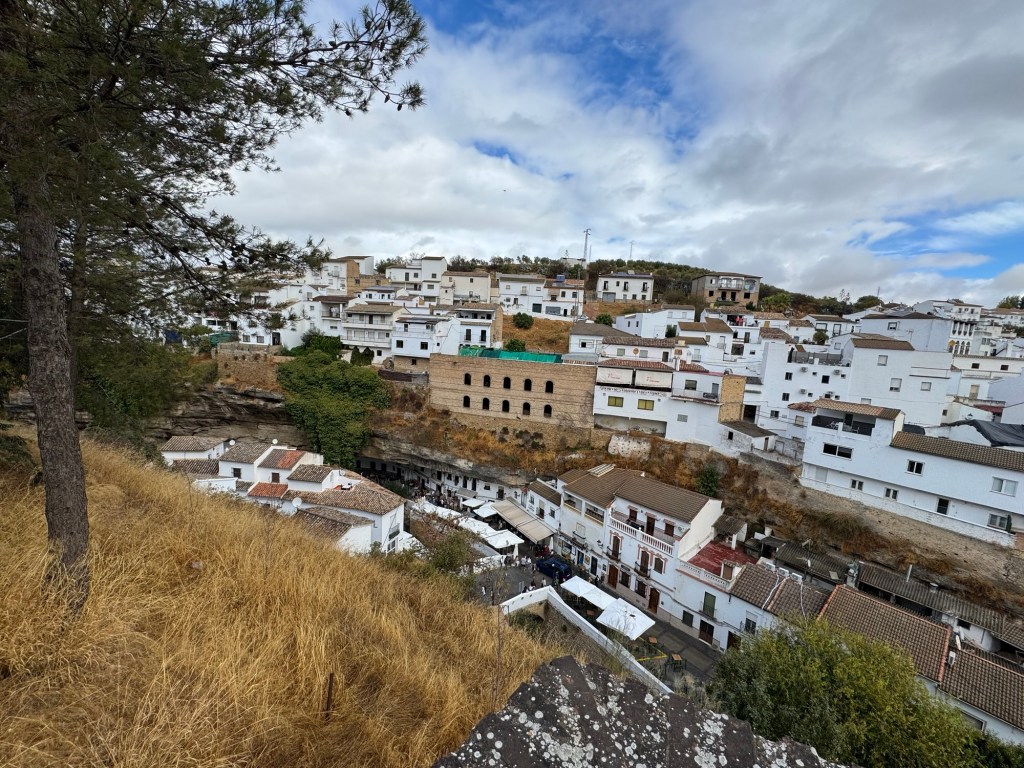
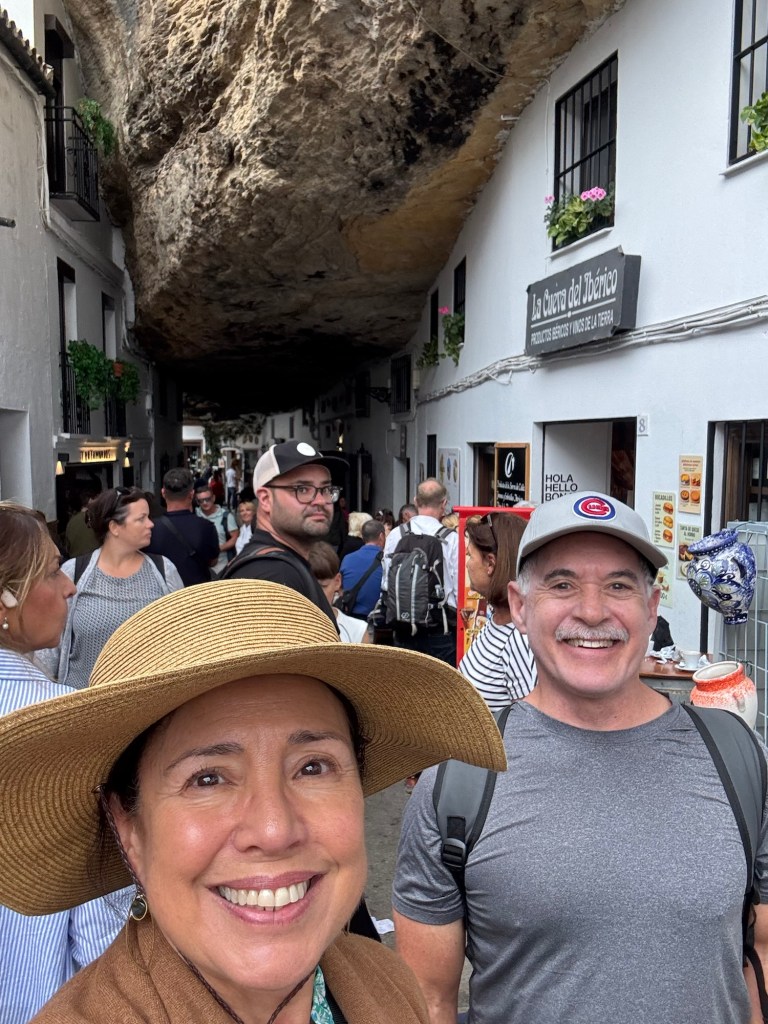
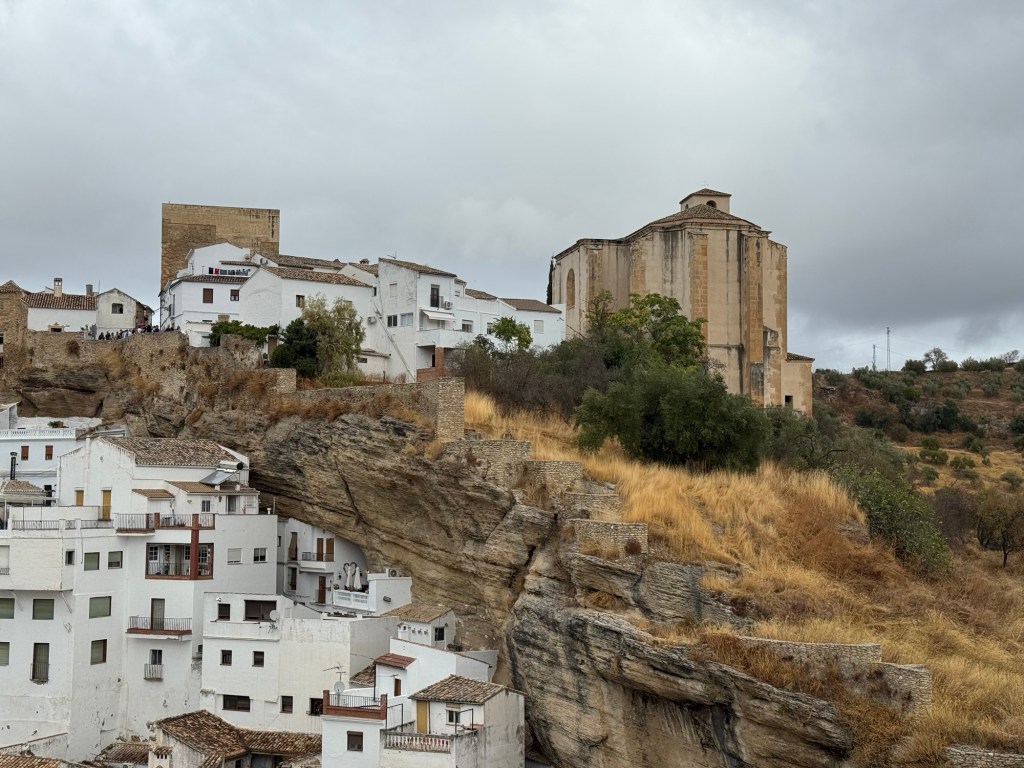
For our third day in Sevilla, we had planned an excursion to visit some “pueblos blancos” and Ronda. Spain has 19 “white towns” in total. They are called such because all the structures in the town are in white. There are three main reasons for these towns to have all white structures: 1. The aesthetics – it is a very pretty sight to see them against the brown of the hills; 2. Temperature – the white color apparently helps keep the temperature lower, especially during the hot summer months; 3. Construction material – limestone was used for building the structures. Today the structures are painted white with commercial paint.

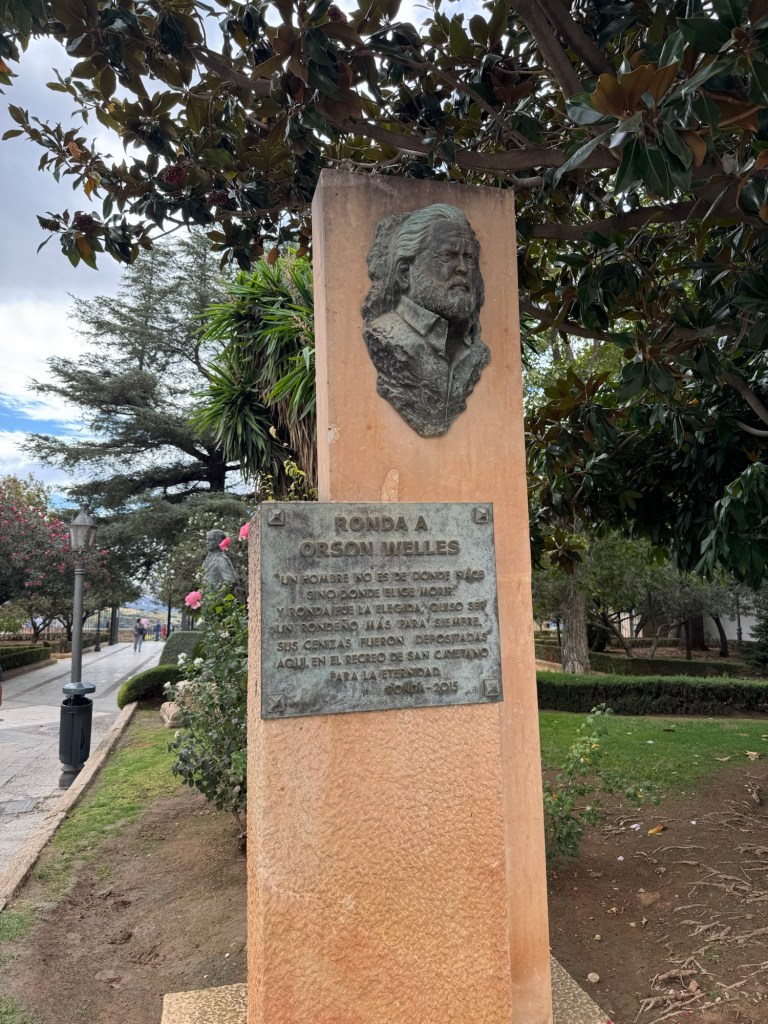
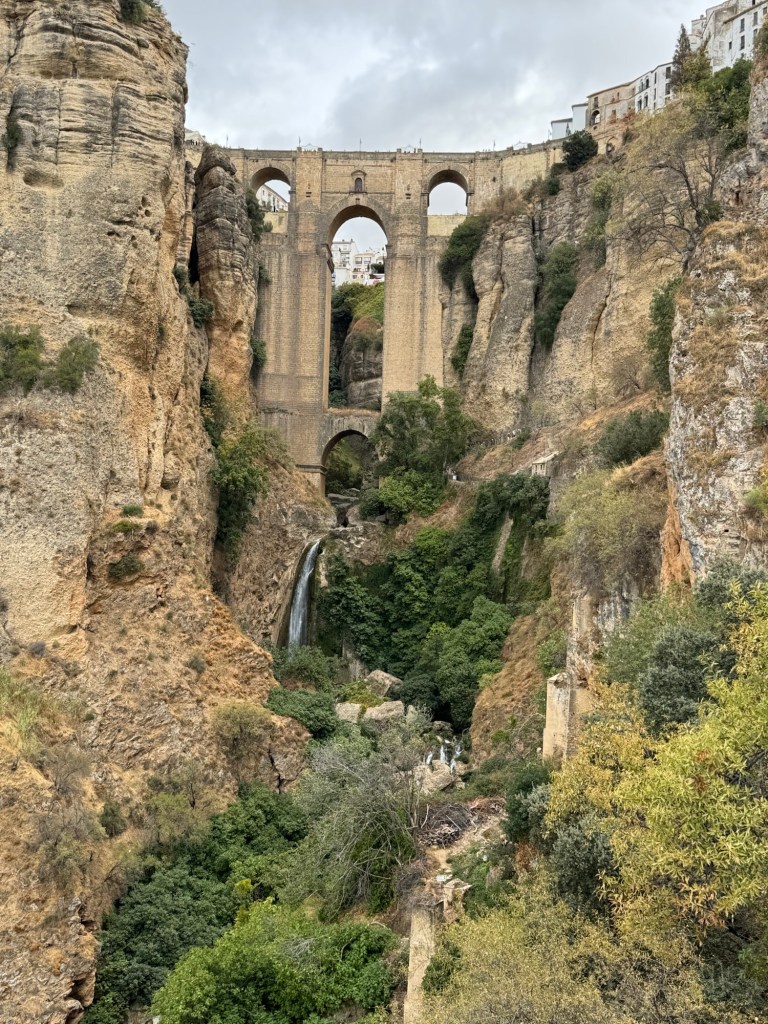
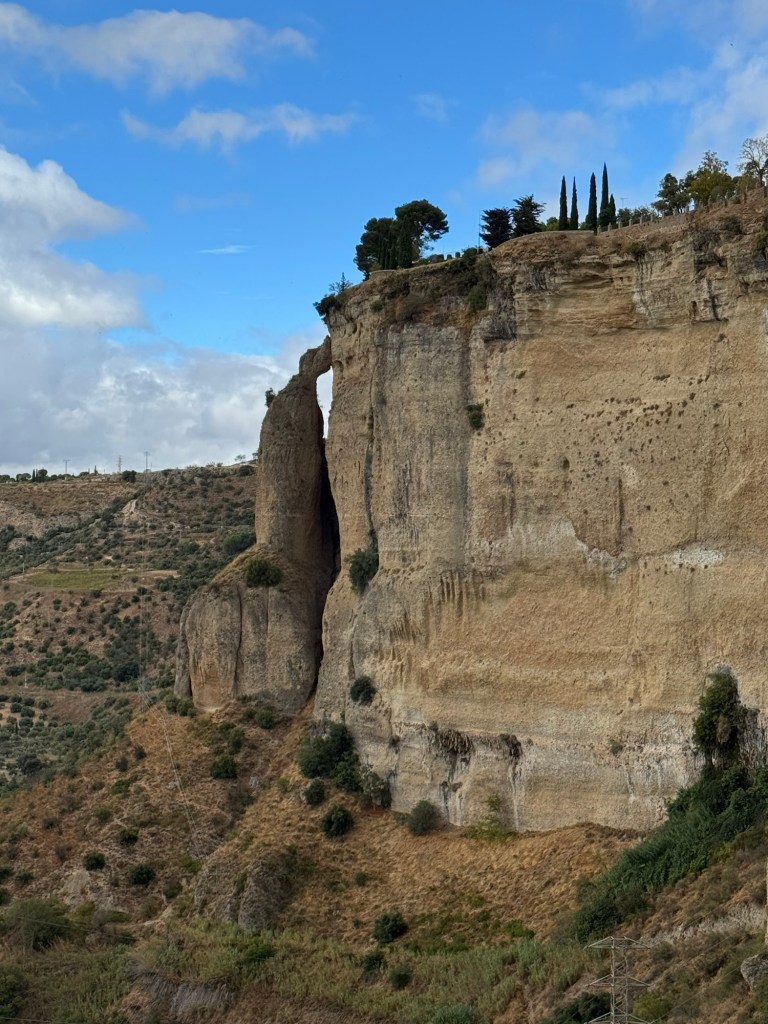
Ronda is a much larger city with approximately 35,000 people. It has a dual claim to fame. One is that it is the place where Orson Welles spent much time and wanted to be buried. The other is that it has the Puente Nuevo (built between 1751 and 1793) which stands 390 feet above the canyon floor making for an impressive sight.

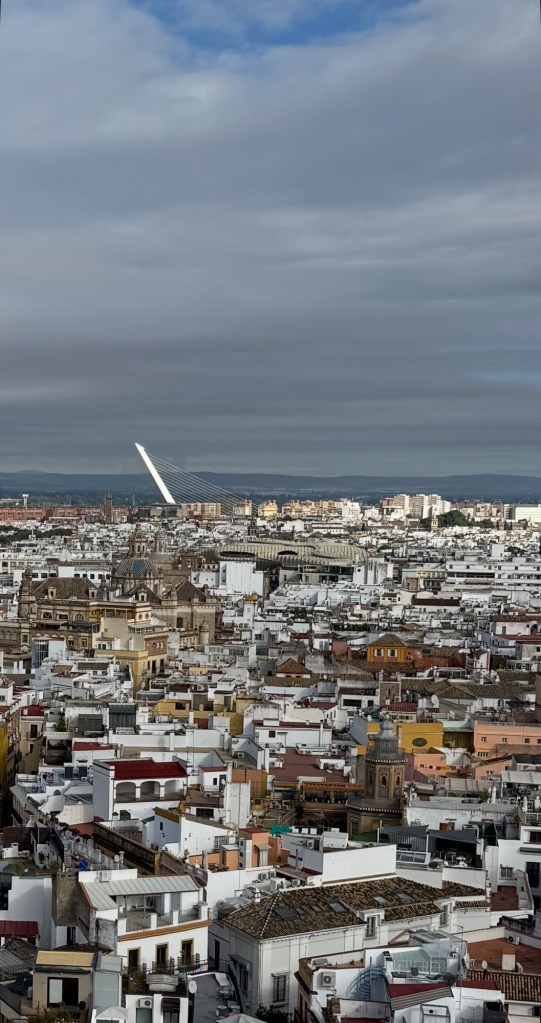
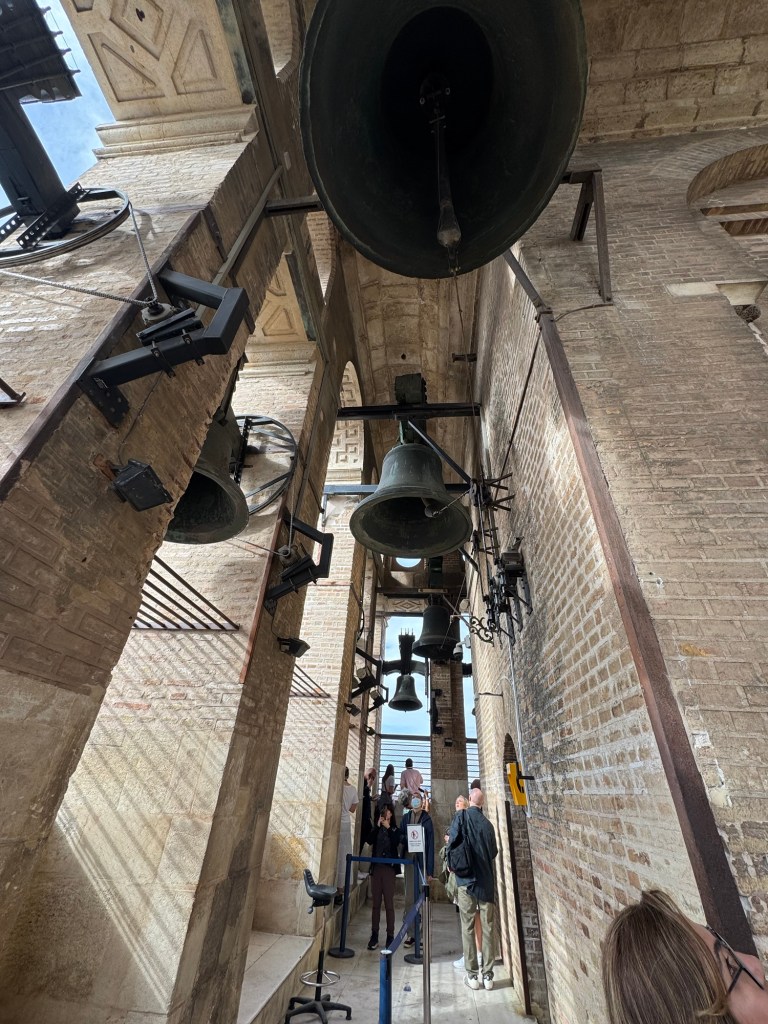
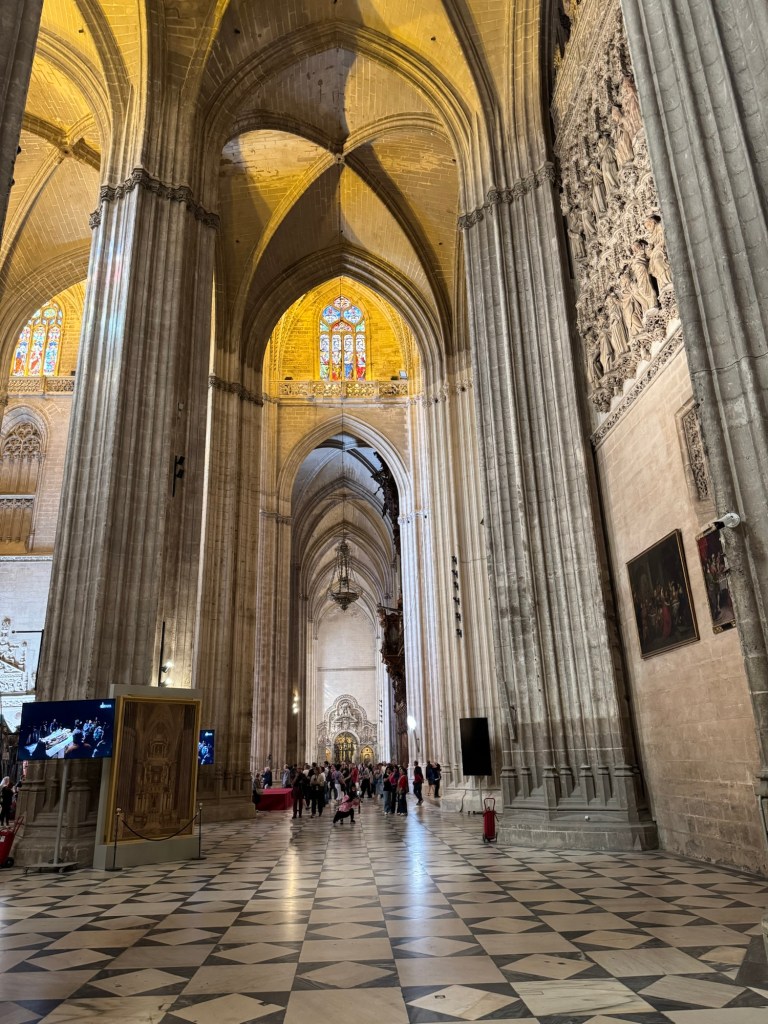
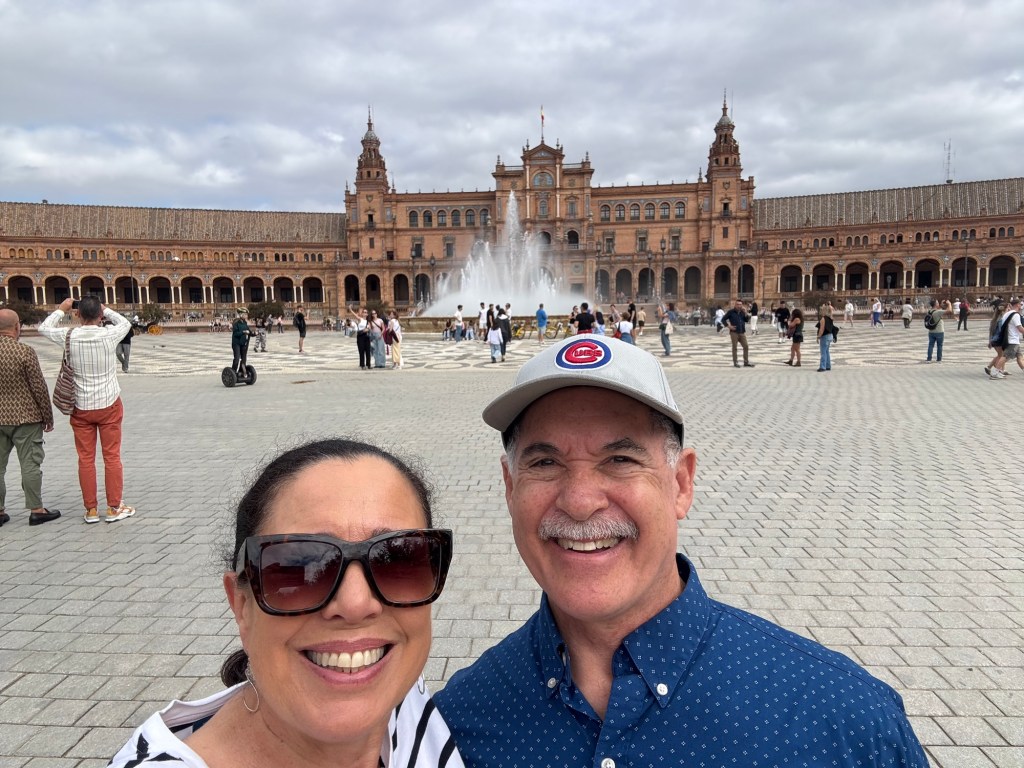
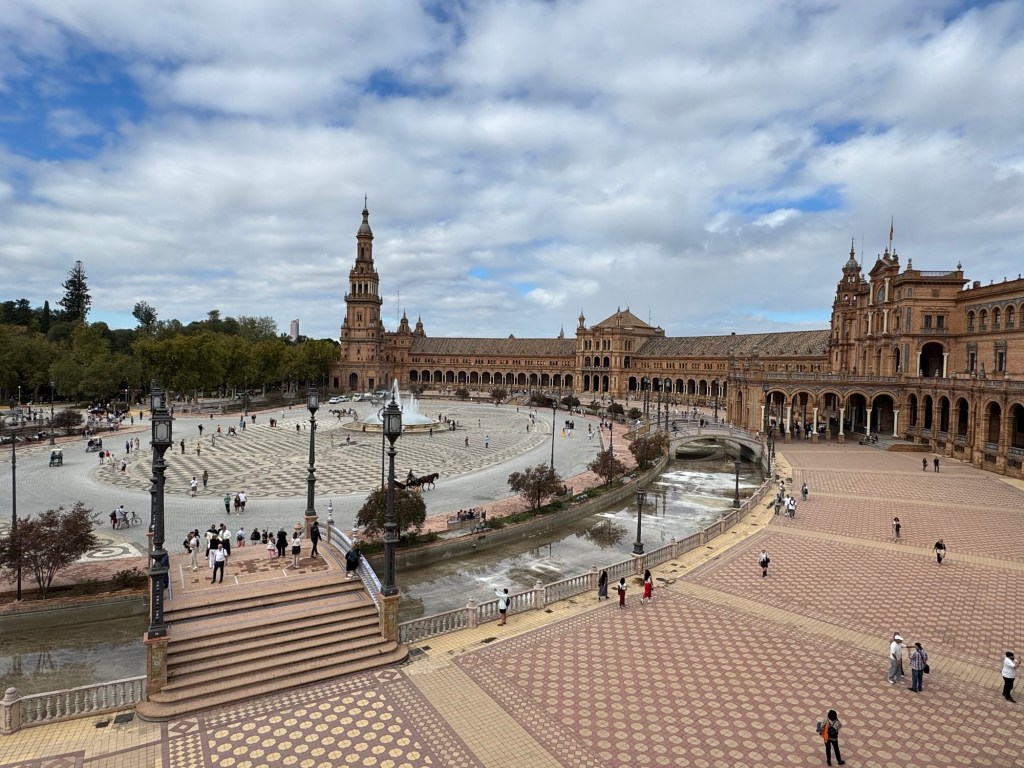
Our final day in Sevilla was spent visiting the Catedral de Sevilla and the Plaza de España both of which are magnificent. The Catedral de SevIlla is one of the largest churches in the world and the largest Gothic cathedral. The Giralda is the bell tower of the cathedral. Its’ height is 343 feet and the price of the ticket included climbing the tower for a wonderful bird’s eye view of the city. In addition, we visited Plaza de España for a second time on this trip. It was built for the 1929 Ibero Americana Exposition and designed by the architect Aníbal Gonzalez Alvarez Ossorio. It is the most beautiful plaza we have ever visited.





 And Here We Go...
Leave a reply to cherisse Cancel reply