On Saturday, we took a bus from Malaga to Granada which only took 1 hour and 45 minutes. The public transportation throughout Spain is easy to navigate. Whether it be the metro, the high speed train or the long distance buses, you can get pretty much get anywhere in Spain without having to fly. I love that!
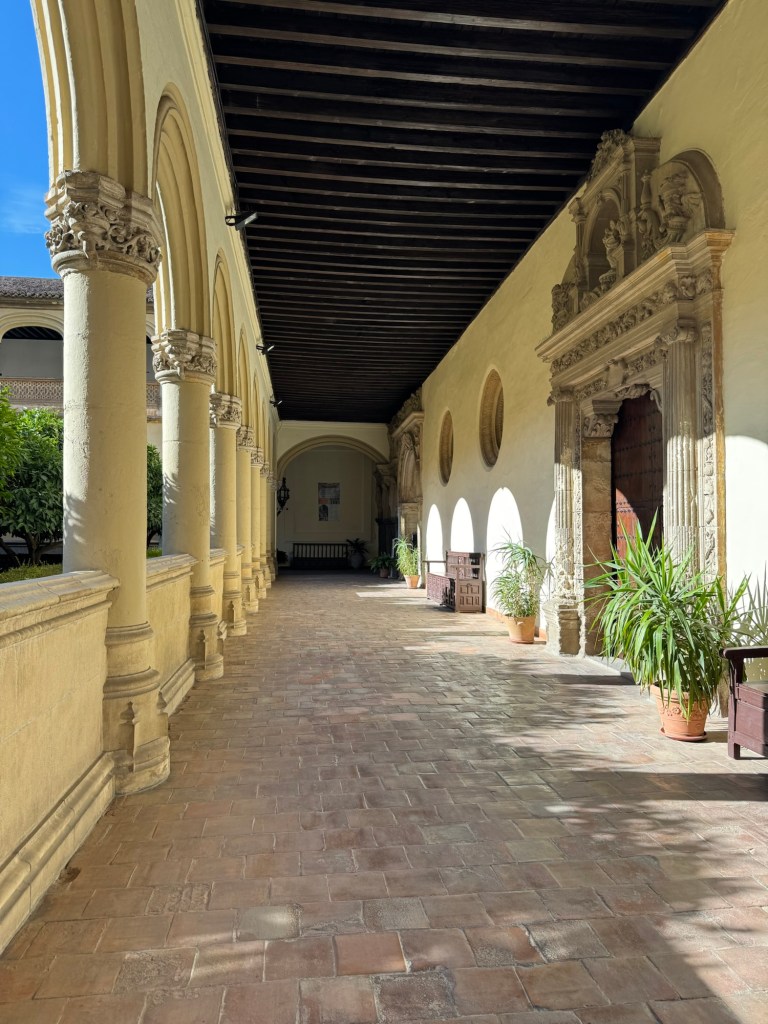
Our first full day in Granada was spent visiting the Monasterio de San Jerónimo, the Cathedral and the Royal Chapel. At the Royal Chapel, we were not able to take any photos or videos. However, there were no restrictions at the Monasterio. Visitors to the San Jerónimo are only allowed to walk through the first floor because it is a working monastery with cloistered (hieronymite) nuns occupying a good portion of the premises.
The monastery is a Roman Catholic were commissioned by Queen Isabella and King Ferdinand and construction began in 1504. During Napoleon’s reign over Granada, the nuns were expelled from the monastery and over time, the structures began to deteriorate. The government began restoring it from 1916-1920. The tower was rebuilt in the 1980’s.
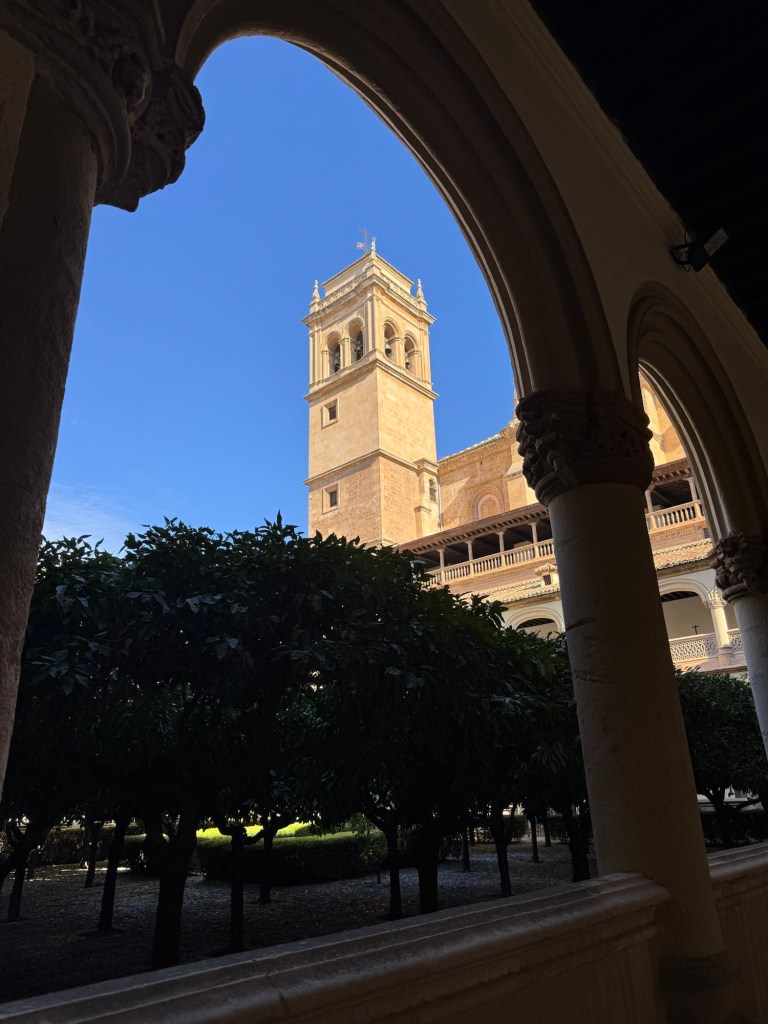
The tower which was rebuilt in the 1980’s.
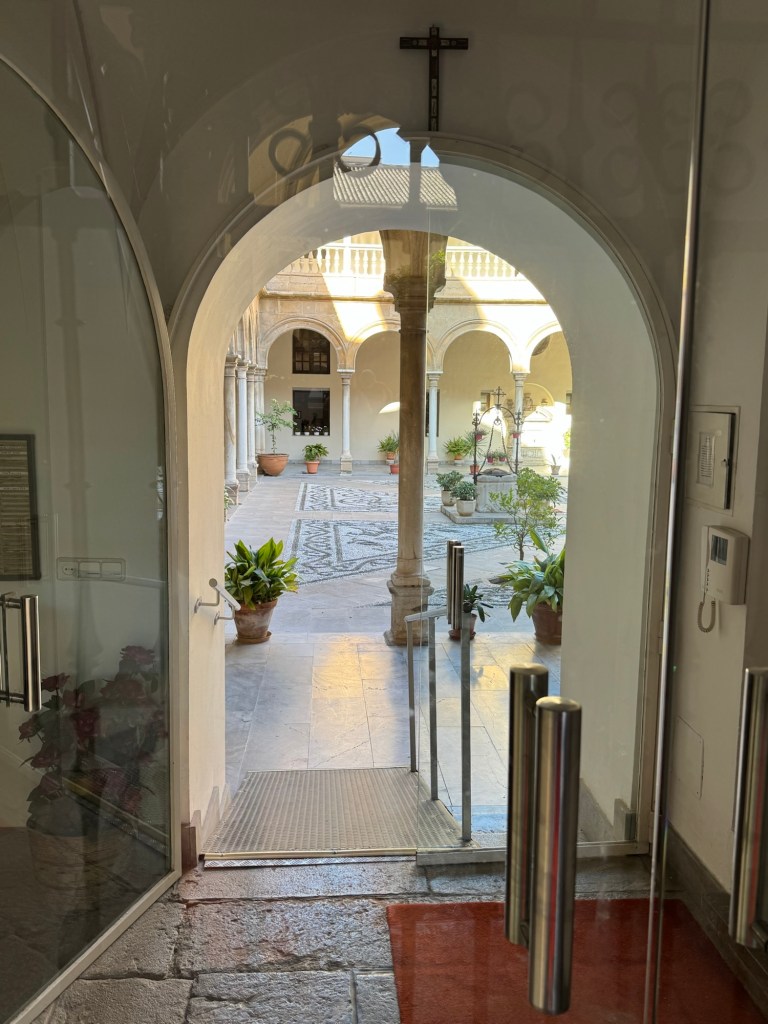

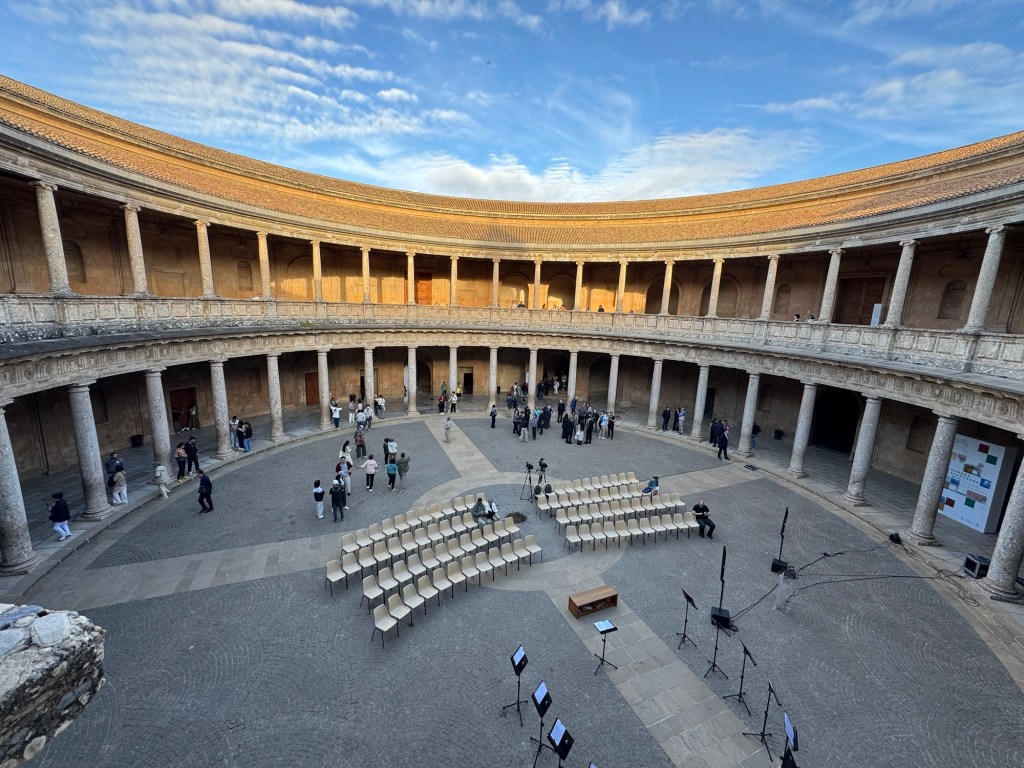
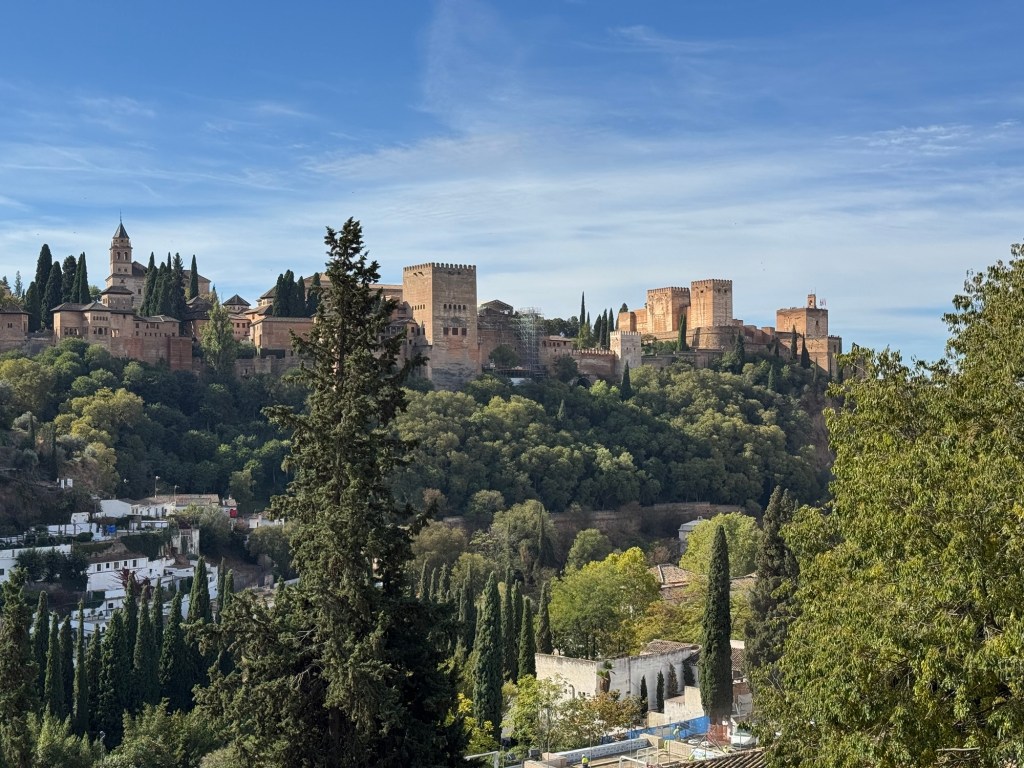
Today, we walked to La Alhambra for our much anticipated visit. The Alhambra is a palace and fortress complex covering approximately 35 miles. Its construction began in 1238 and worked continued on the ground up until the 15th century which included the palaces of Nazaries. Granada was under Muslim control up until 1492 when the Catholic Monarchs, Queen Isabella and King Ferdinand, were able to gain control of the Alhambra and Granada.
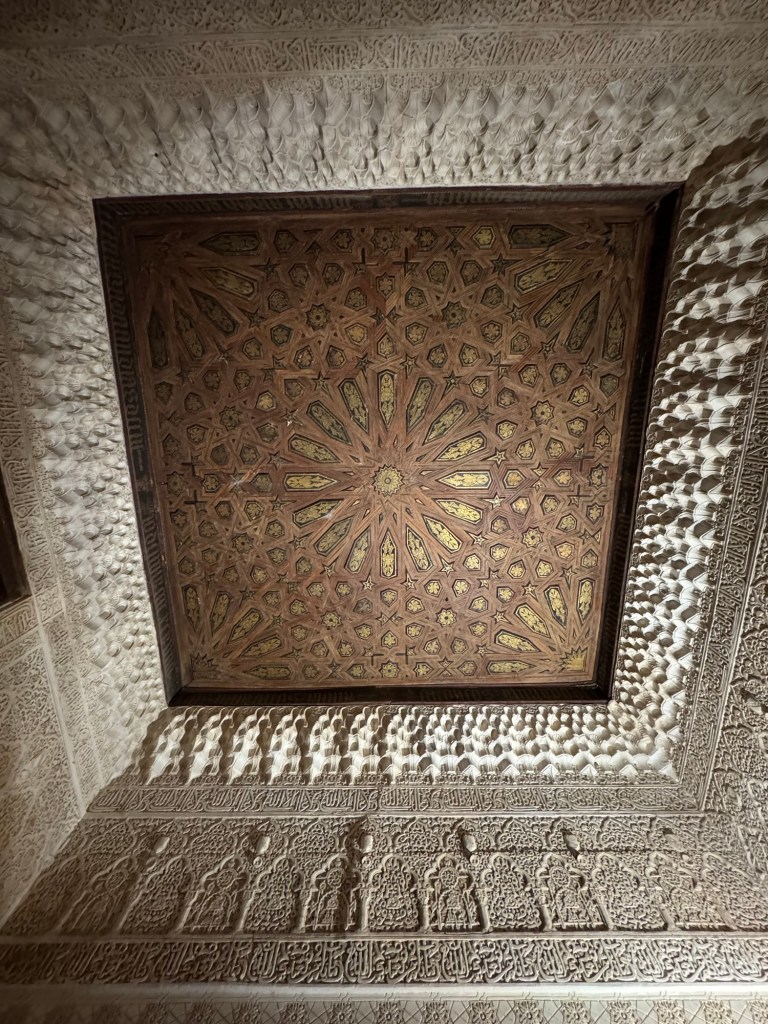
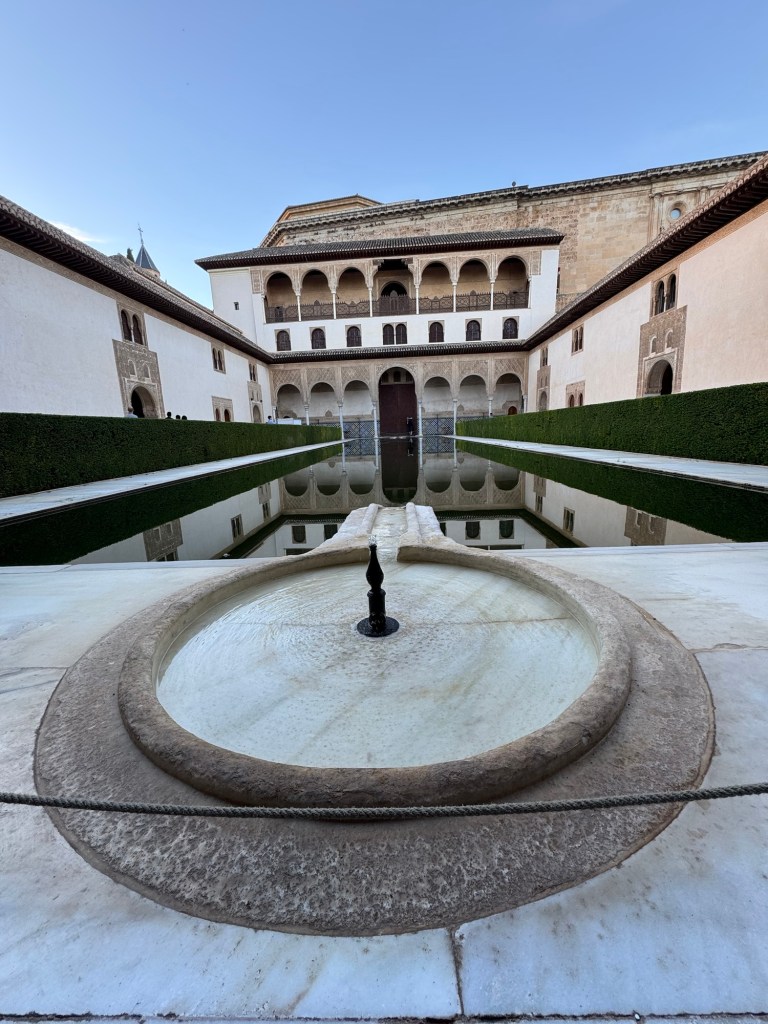
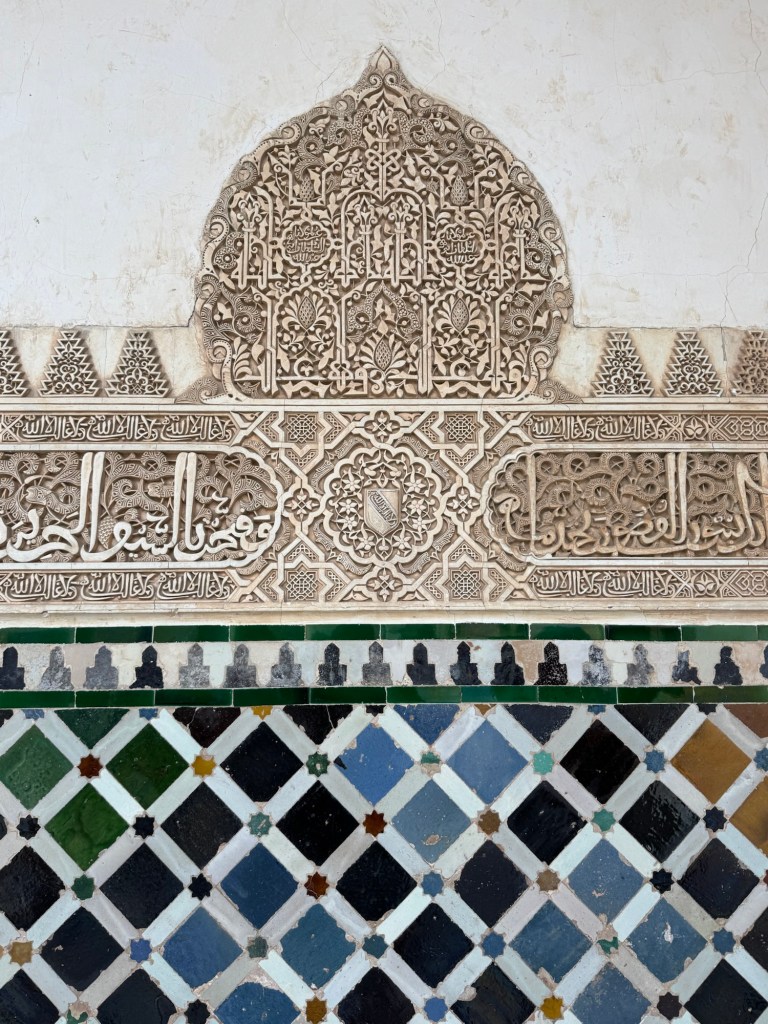
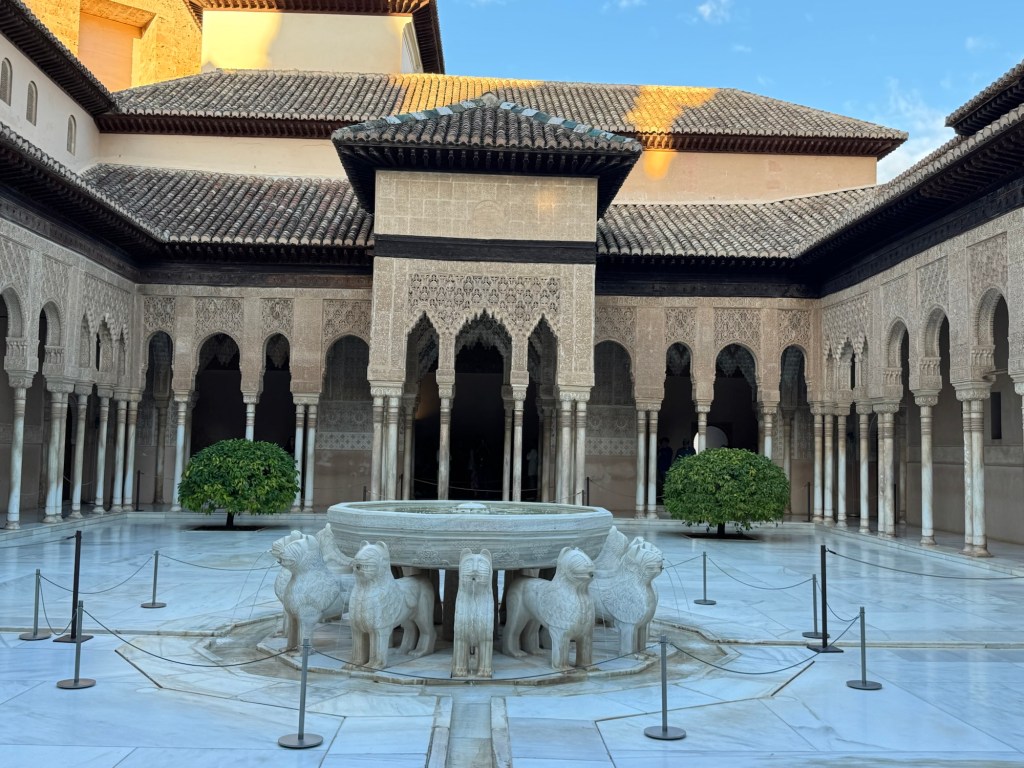
Today, the Alhambra is a UNESCO World Heritage Site and is continued to be restored. The architecture reflects the traditional Moorish architecture and is exquisite. It’s gorgeous art that greets you at every door, arch, window or room. I could not stop myself from taking photos! These are just a few.
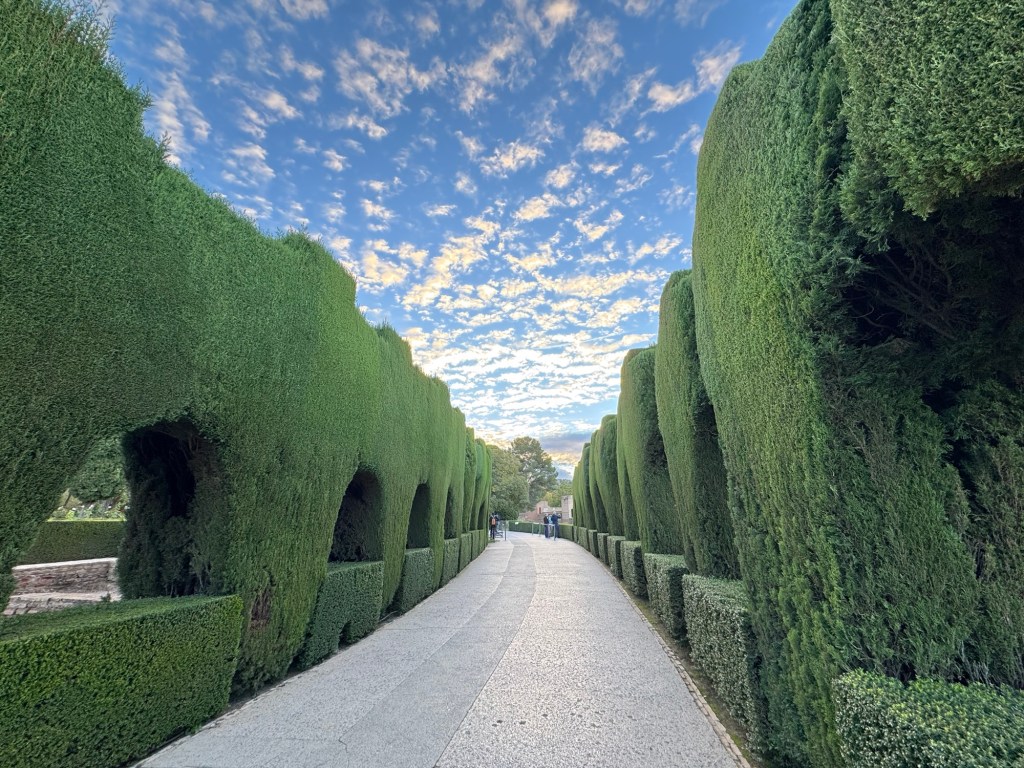
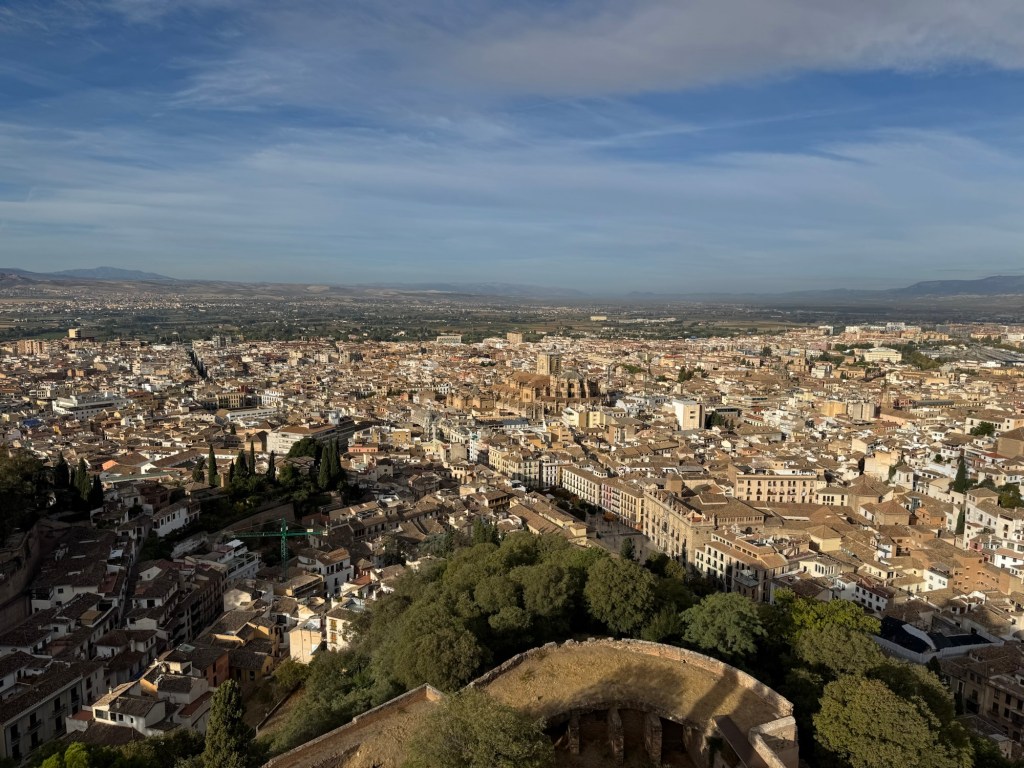
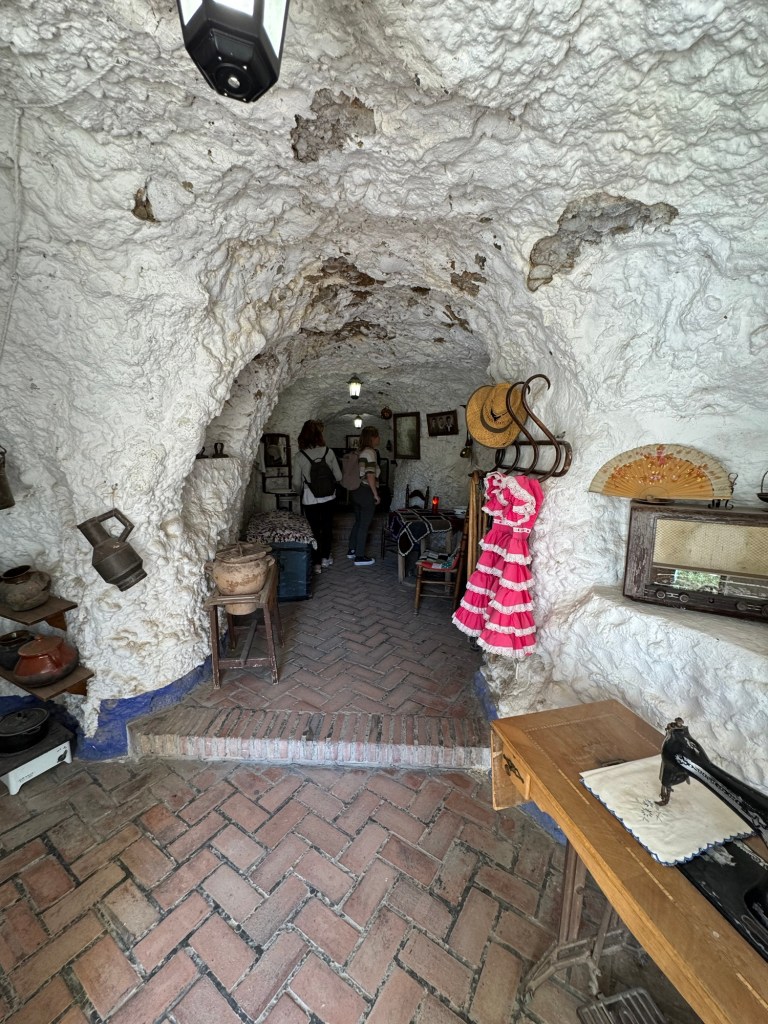
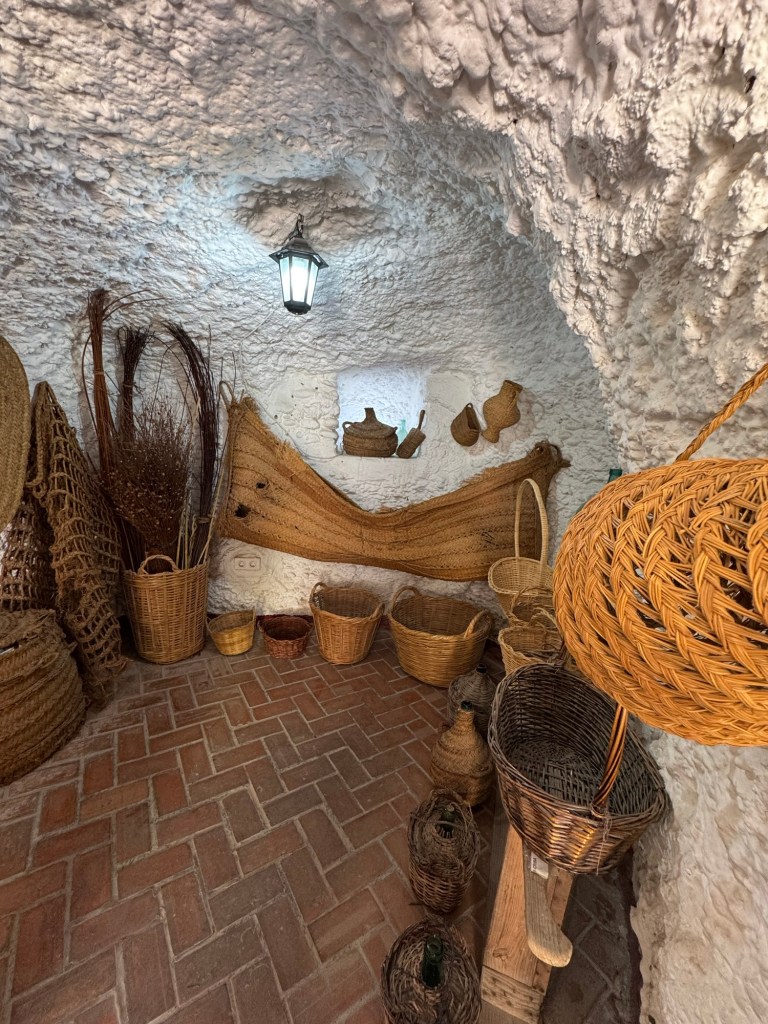
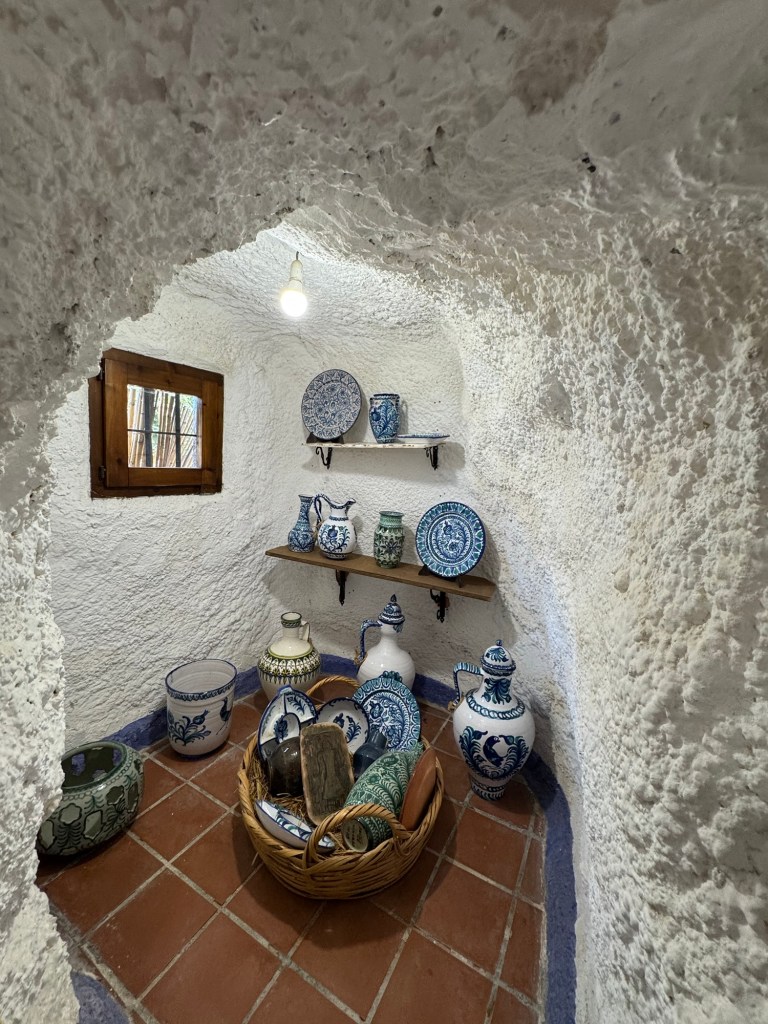
Upon completing our visit to the Alhambra, which took about 3 hours, we continued climbing up to Sacromonte to visit the Cave Houses Museum. This museum consists of several cave houses that depict the life of the Roma (Gitanos) people who lived here up until 1963 when torrential rains endangered the lives of people living here and as a result, the Roma people were permanently evacuated from these dwellings. Currently, there are over 50,000 Roma that live in Granada.



 And Here We Go...
Leave a reply to Jeffrey Cancel reply