We arrived in Zanzibar two days ago and have been enjoying our stay thus far. Zanzibar is approximately 53 miles long and 24 miles wide, about a third of the size of Puerto Rico. Just like my ancestral home, this tiny island has a long history of colonization. However, Zanzibar’s history includes one of the most barbaric acts against humans, the African slave trade. But before I delve further into this topic, I first want to tell you about a cool museum we visited today.
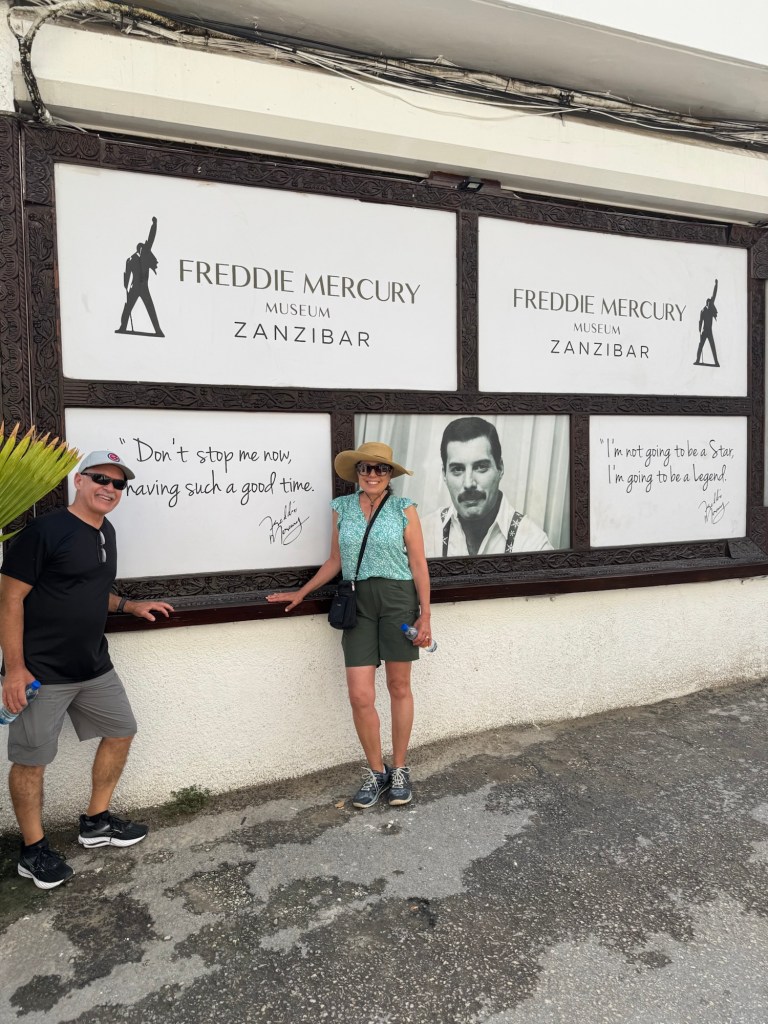
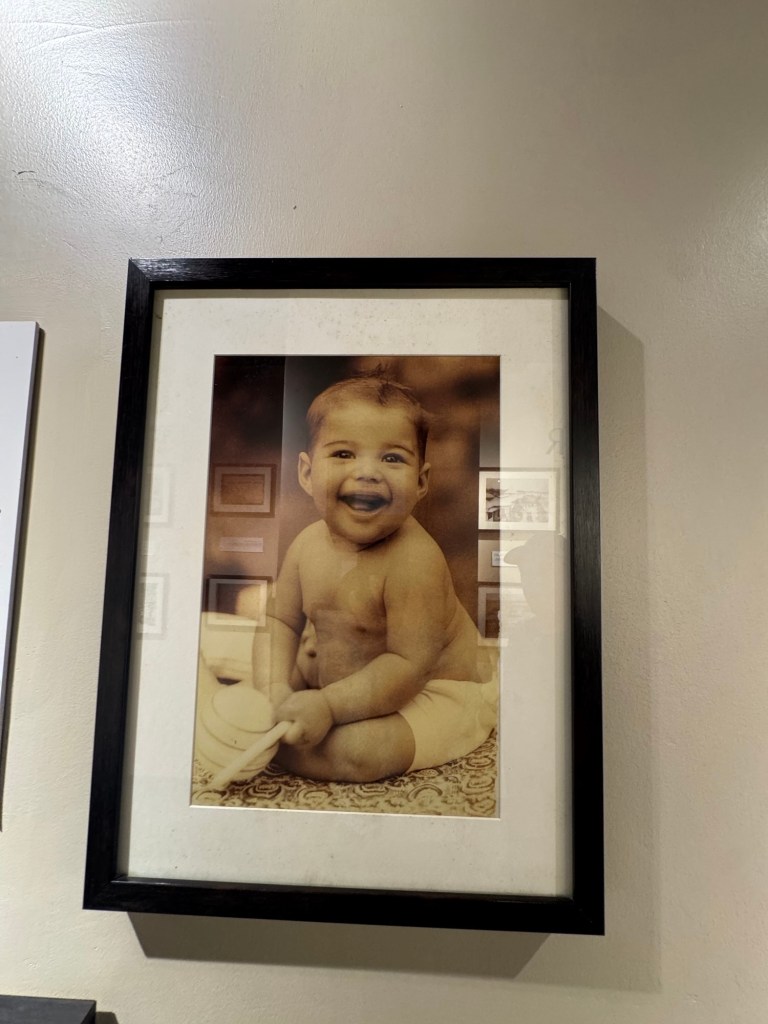
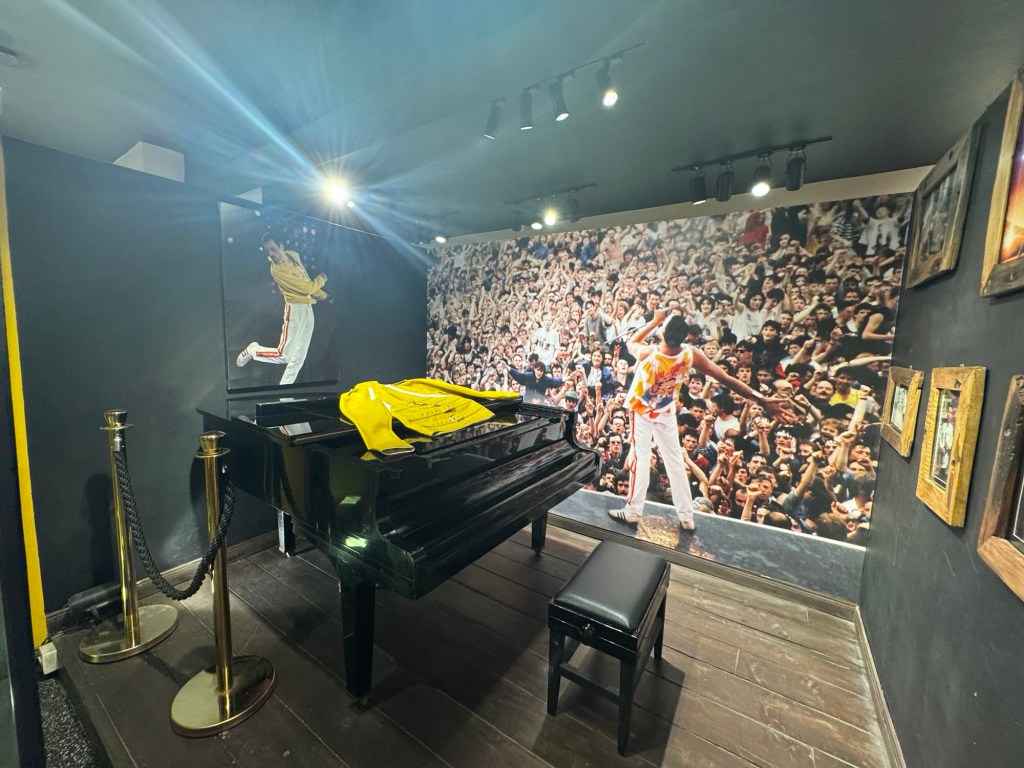
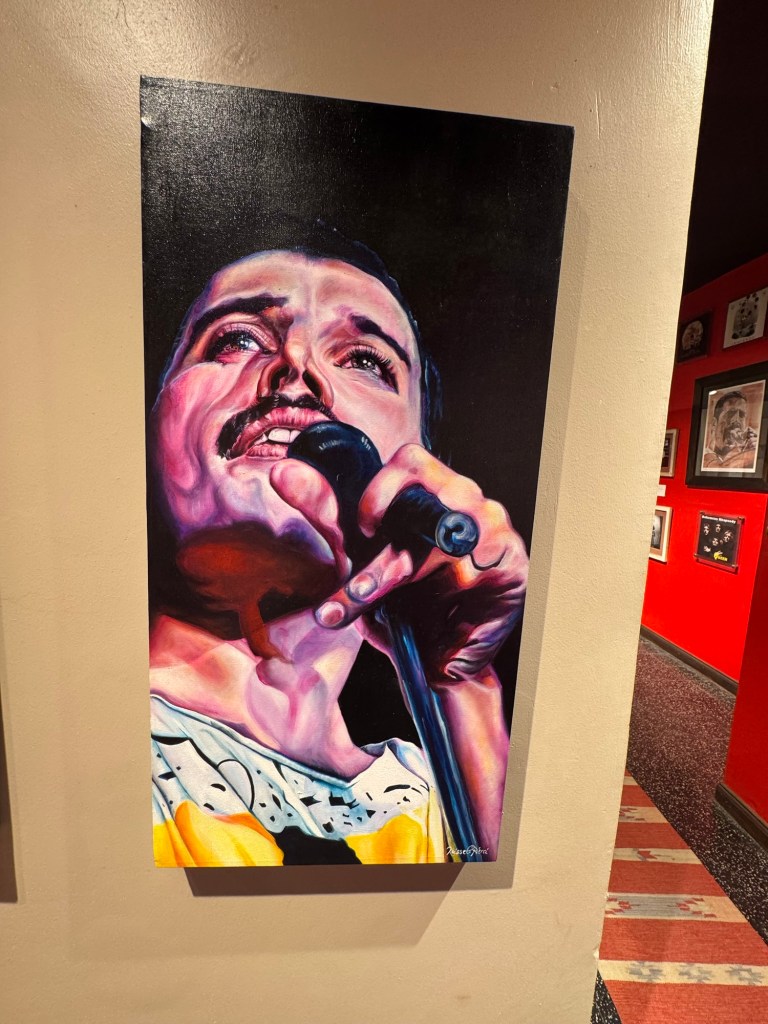
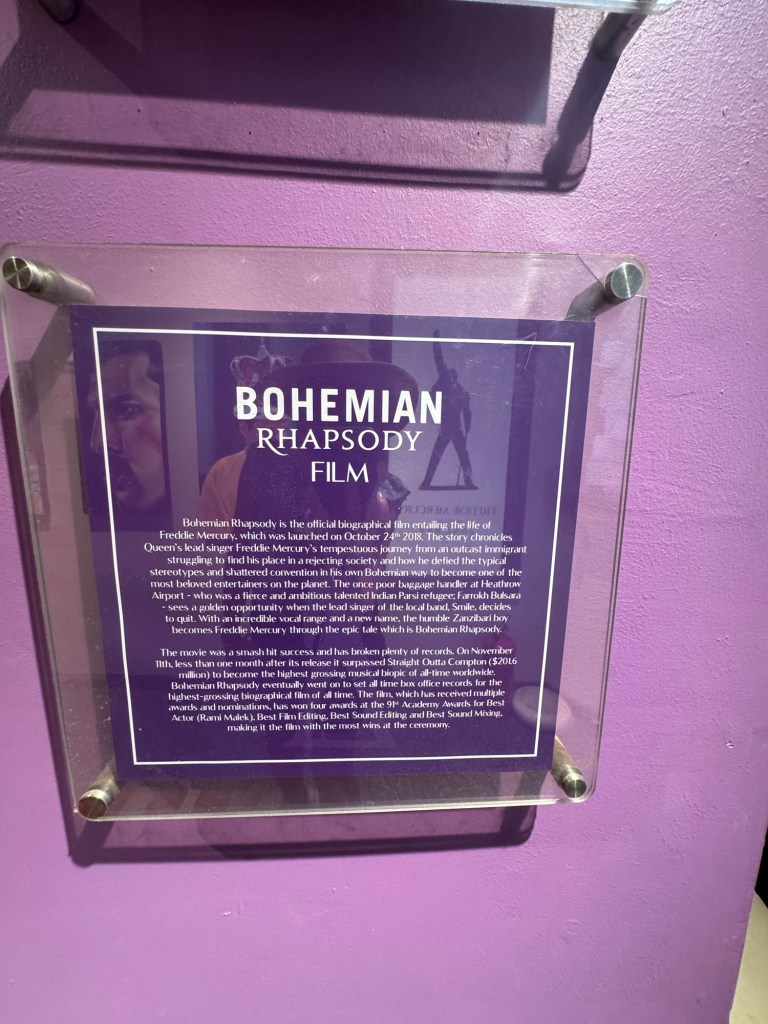
Farrokh Bulsara was born on September 5, 1946 in Zanzibar. His given name means lucky and fortunate. He went to school in Zanzibar, India and England. While in England, he joined a little known band named Queen, and he became Freddie Mercury. Today, we had the privilege to visit The Freddie Mercury Museum as well as see (from the outside) the home he lived in while in Zanzibar. The museum is filled with pictures of Freddie growing up as well as during his time with Queen. There are also gorgeous paintings of Freddie while singing and lyrics to some of his greatest hits including Bohemian Rhapsody. Walking through the museum and listening to Queen along the way was very nostalgic for us.
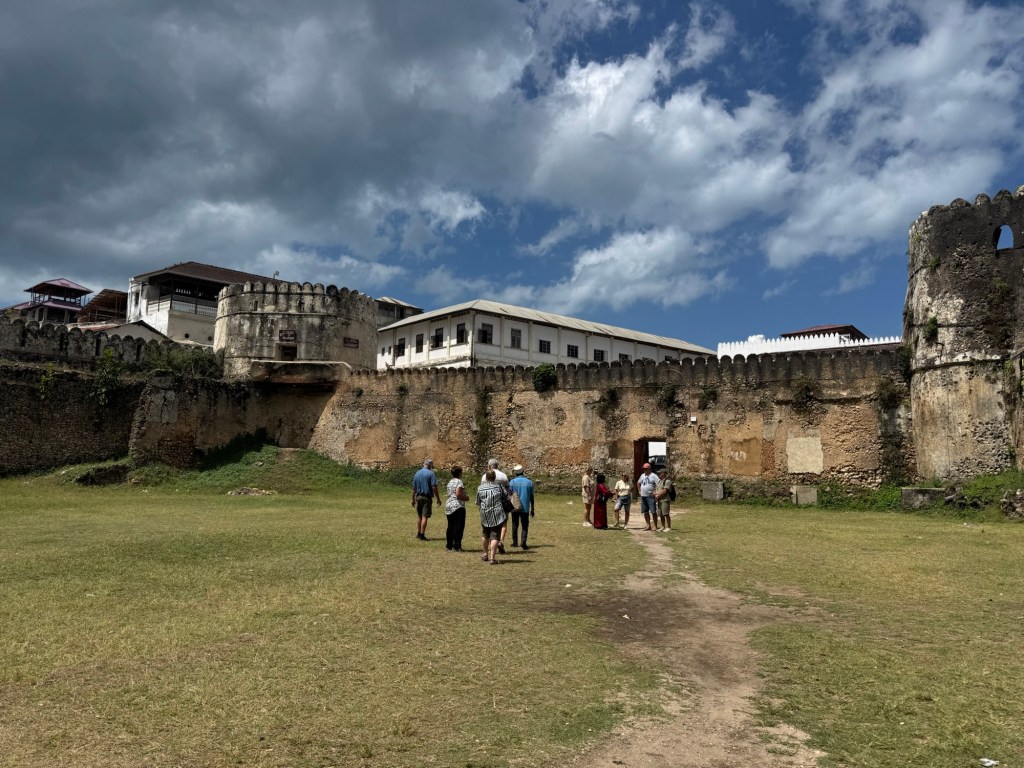
After the museum, we began our walk to visit the places in Zanzibar which are part of a dark history in this small island. The island’s colonization by the Portuguese and the Arabs saw the beginning of the African slave trade. Men, women and children were taken captive, many in their own villages, to provide labor for wealthy businessmen and sultans all over the world and live a life of oppression and unrelenting abuse.
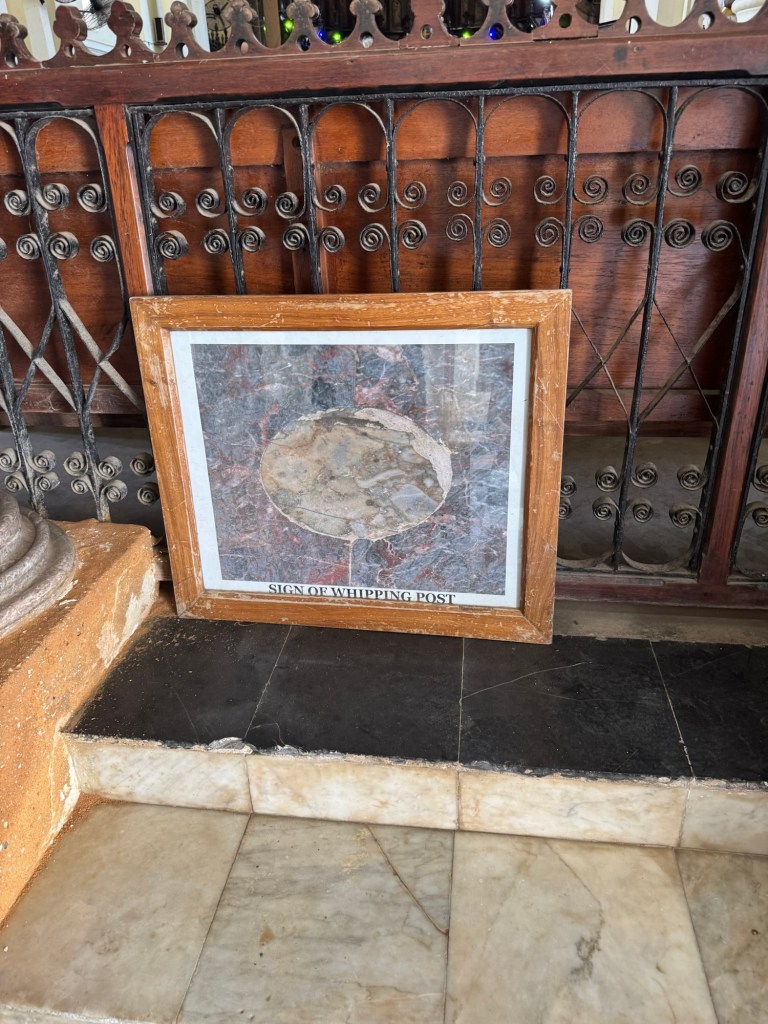
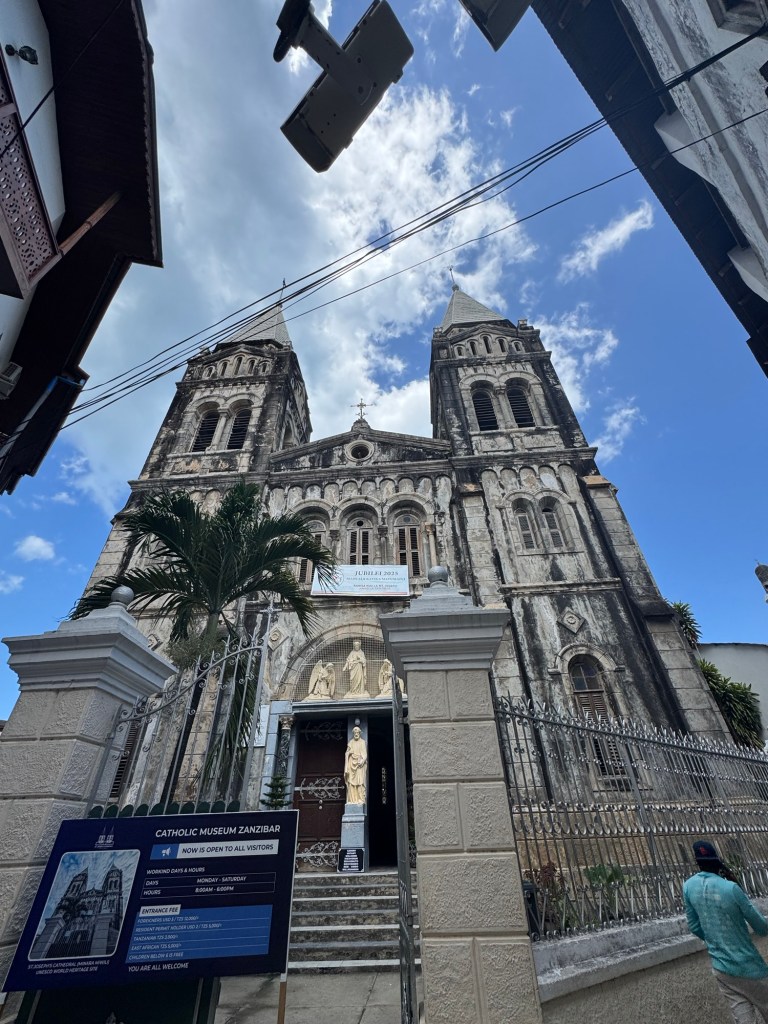
Our guide Tatu explained that those captured were first brought to the fort for three days. After that period, they were transported to the area where eventually they would be sold to the highest bidder. This area contained a tree where the men were strapped and whipped to see how they handled the abuse. If they stayed upright, they were considered strong and would garner the highest money in the auction. Those that were incapable of standing such torture were grouped together and sold at a discount. The children were included in the sale of the prime male adults and separated from their mothers. This barbaric assault on humanity was legally abolished in 1873, and the whipping tree was removed. A church was erected in this area instead. Although the slave trade was abolished, it remained in place underground for several more years.
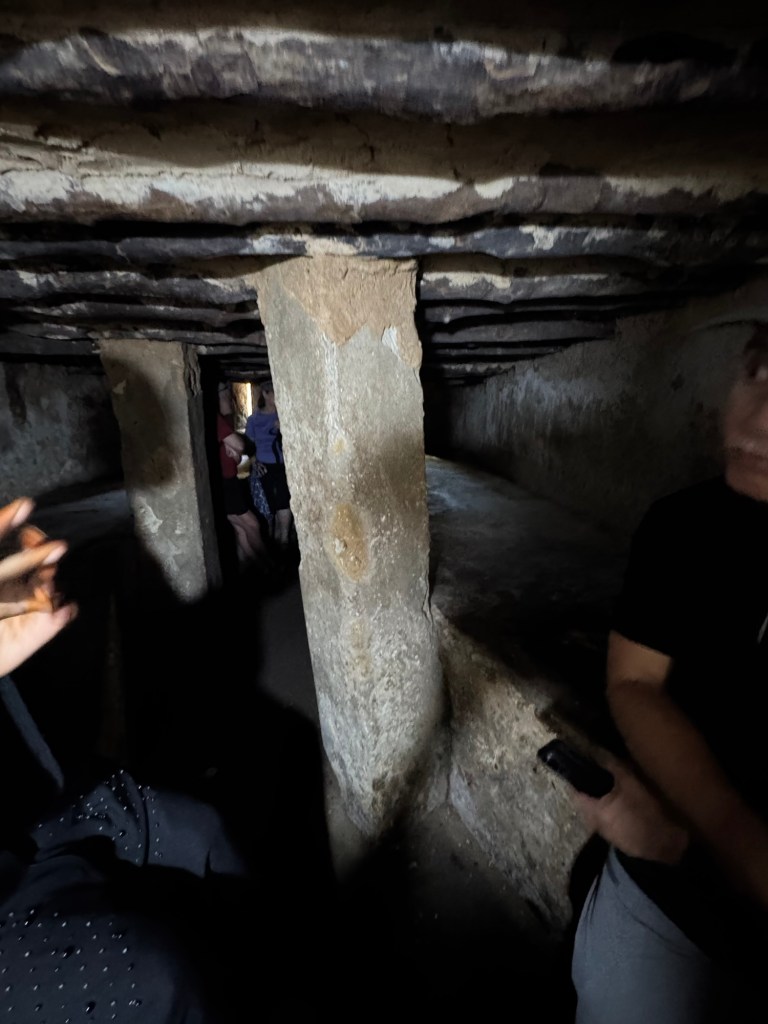
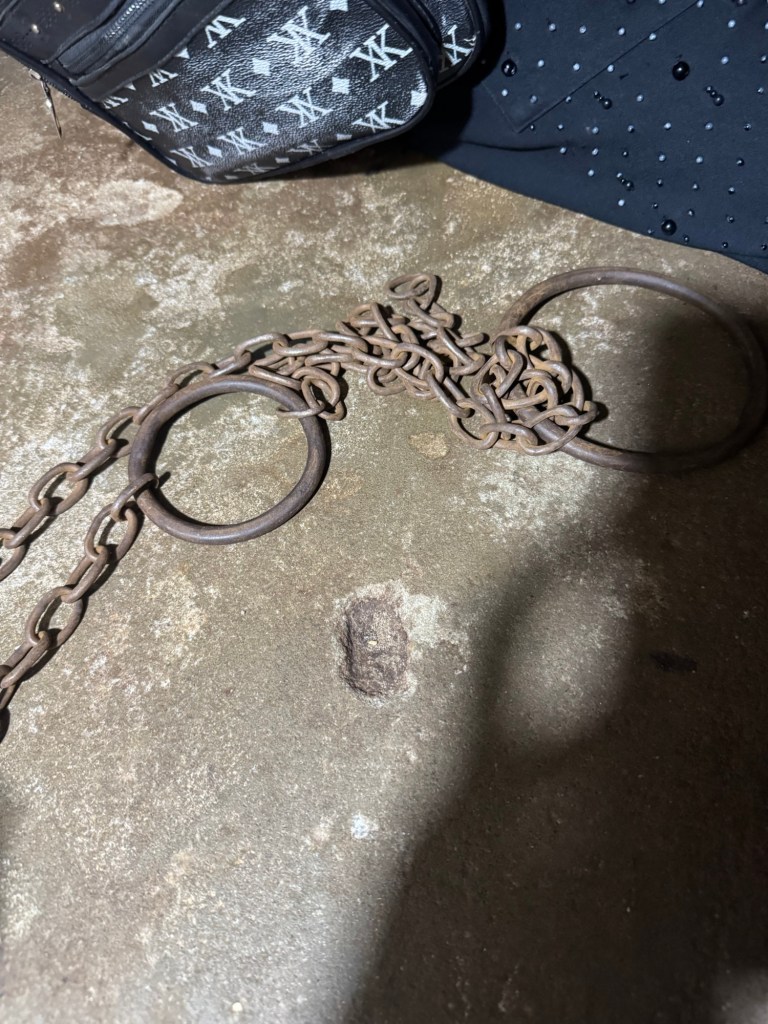
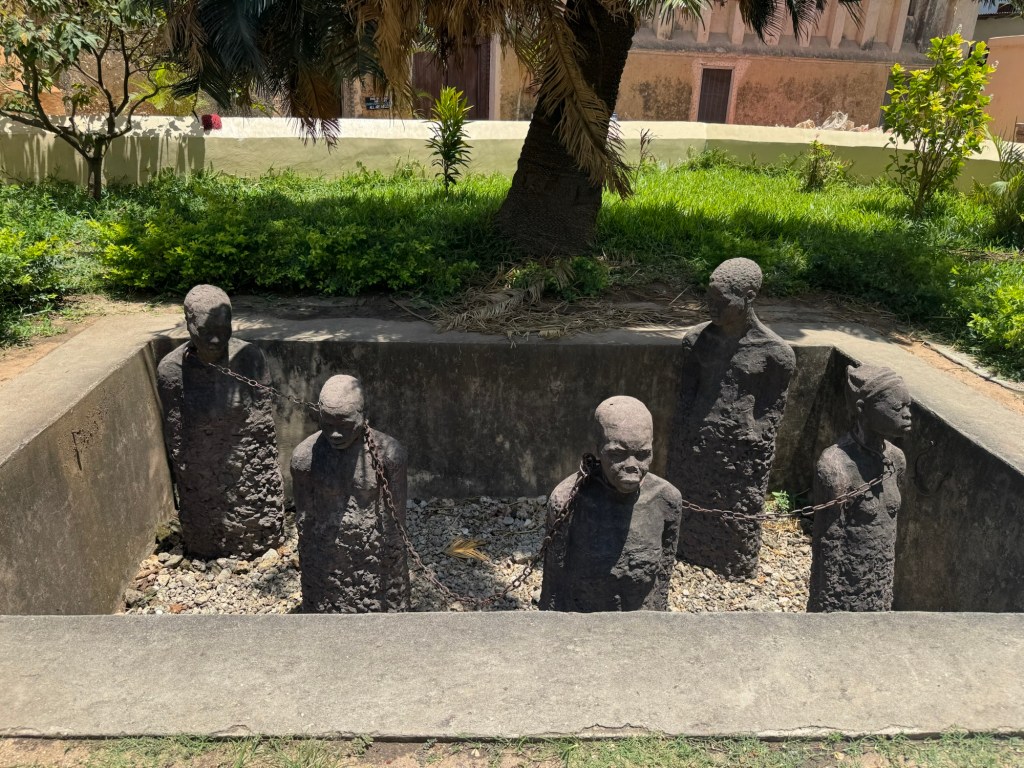
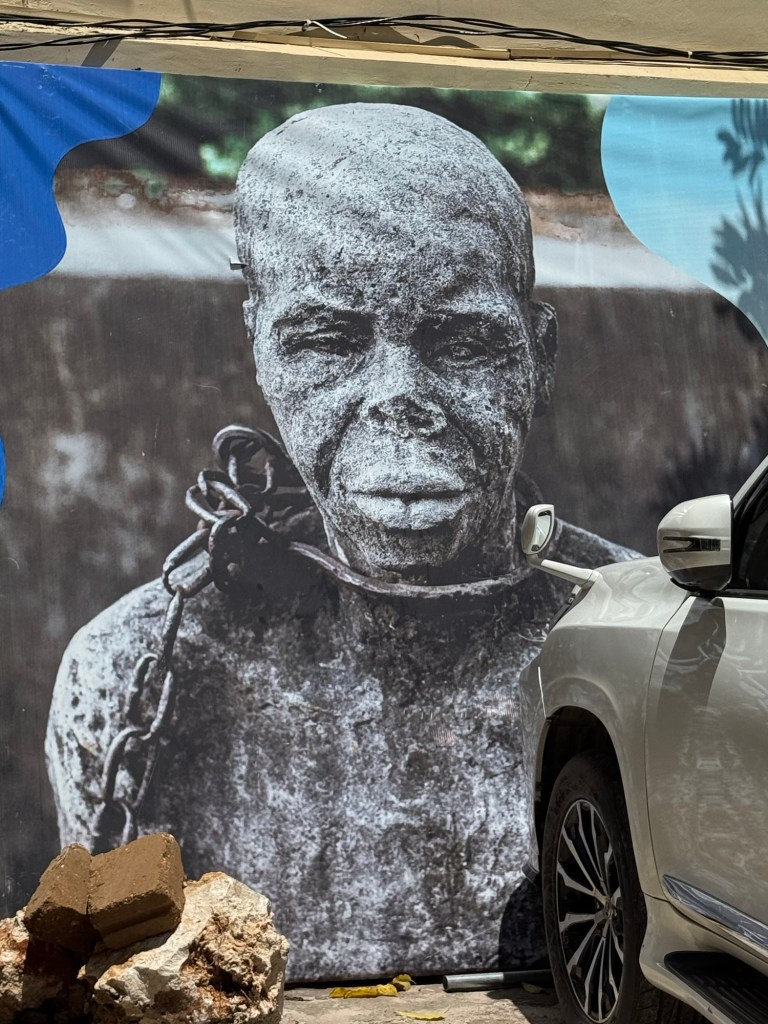
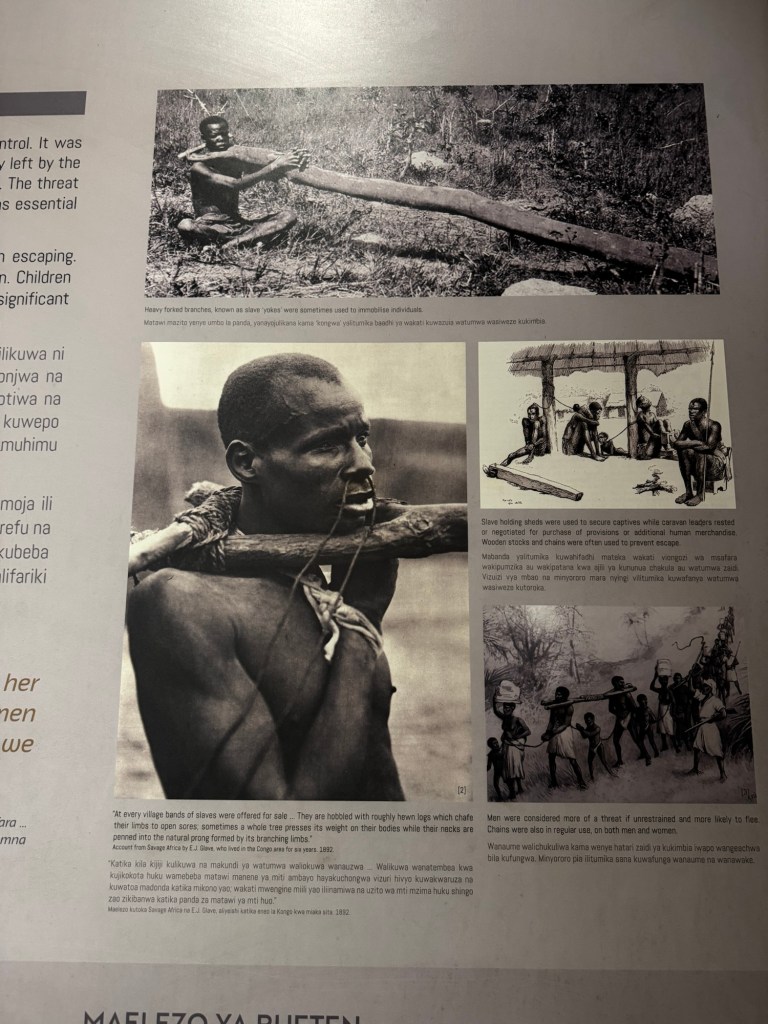
It is unfathomable to imagine that humans can tear other humans in this manner to enrich themselves with worldly goods and power, and yet, history has repeated itself over and over again, including in modern day U.S.A. with the immigrant raids. There may not be the same physical brutality, that we know of, but there is the emotional and mental abuse imposed on many innocent people by those in power. We must not be complicit at this moment in time.
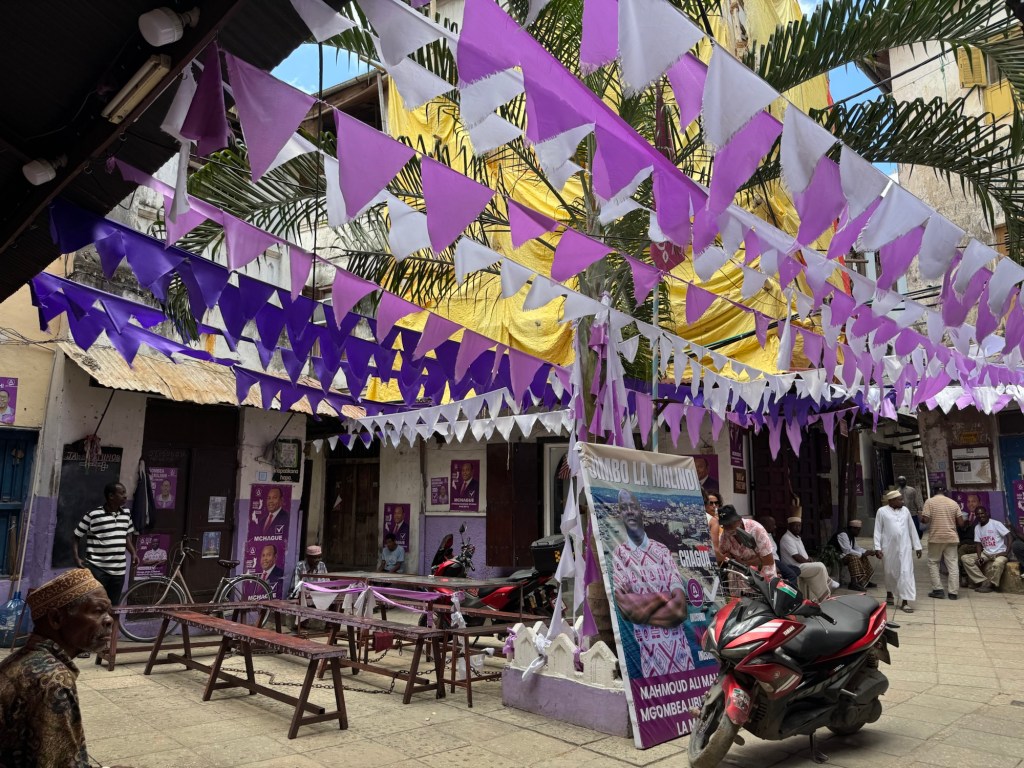
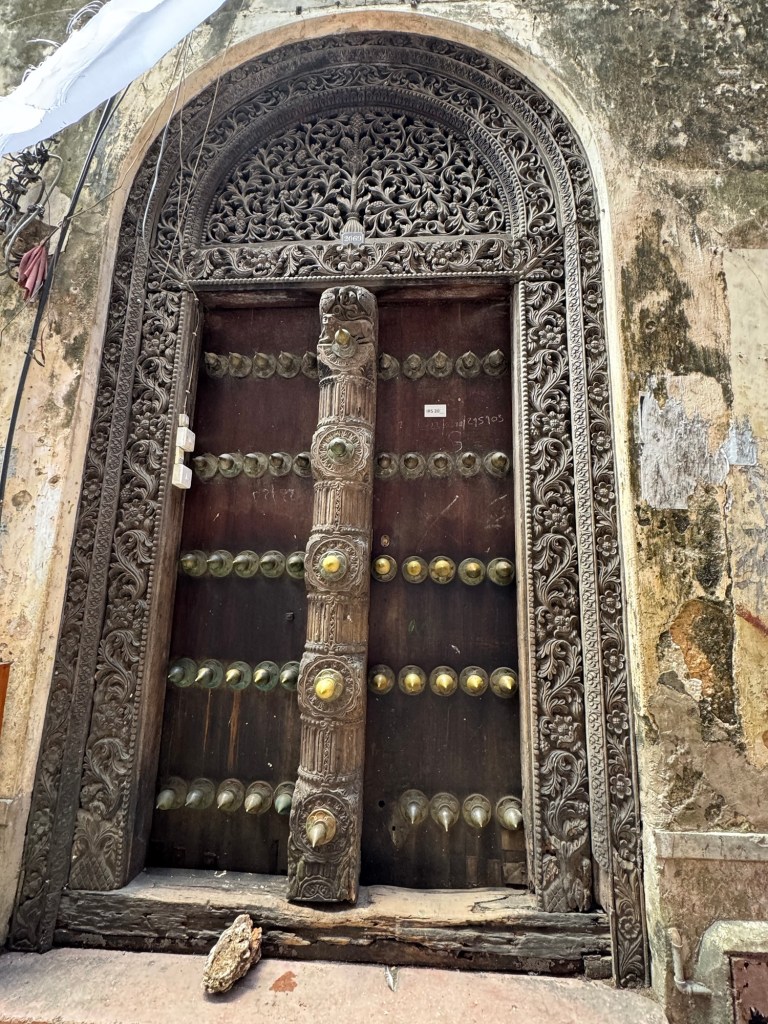
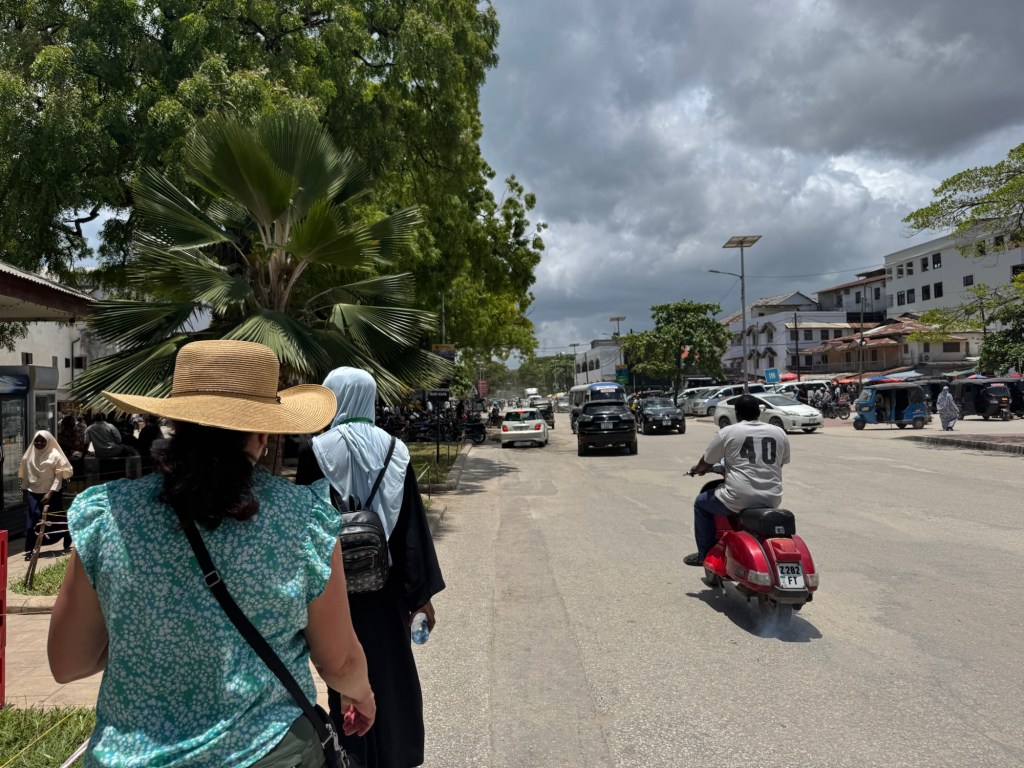
Modern day Stone Town is an energetic, bustling area. The dark history of the town has been taken over by many little shops housed in places that were once homes to the rich and powerful. There are hotels that cater to tourists as well as coffee shops and restaurants. The alleyways are the walkways for people to move about and enjoy the bright colored flags adorning them as well as admire the architecture left behind by the Arabs and the Indians. We highly recommend a visit to Stone Town if you are ever in Zanzibar. It will provide you with more than you ever could know.


 And Here We Go...
Leave a reply to gat2jdt2 Cancel reply