Museum visits have always been a challenge for Jim and I. Our approaches are very different. I am a skimmer or a browser in museums. I will be drawn in by certain artifacts, pieces of art or information on history but I mostly move through at a good pace. Jim, on the other hand, is drawn to many plaques and writings in museums, meaning he enjoys taking a long time. He’s more of a historian than I am.Therefore, whenever we make plans to visit a museum, I am weary of how long he might want to spend inside.
However, you cannot come to Madrid and not visit at least one museum. Given our different approaches, we compromised by setting a time limit and it worked like a charm. We actually worked together to find various works we wanted to see, so it became a treasure hunt or better yet, an art hunt. I must say, it was fun!
Museo Nacional del Prado and Museo Nacional Centro de Arte Reina Sofia are two very different museums. Structurally, the Reina Sofia is very modern, with metal covering the outside and certain rooms more of a minimalist look. However, there is an older part to the museum which you encounter as you move to the second floor. It’s actually quite aesthetically pleasing to see this contrast. There are many important pieces in the Reina Sofia, but there was one I did not want to miss, Picaso’s “El Guernica”. It is stunning!
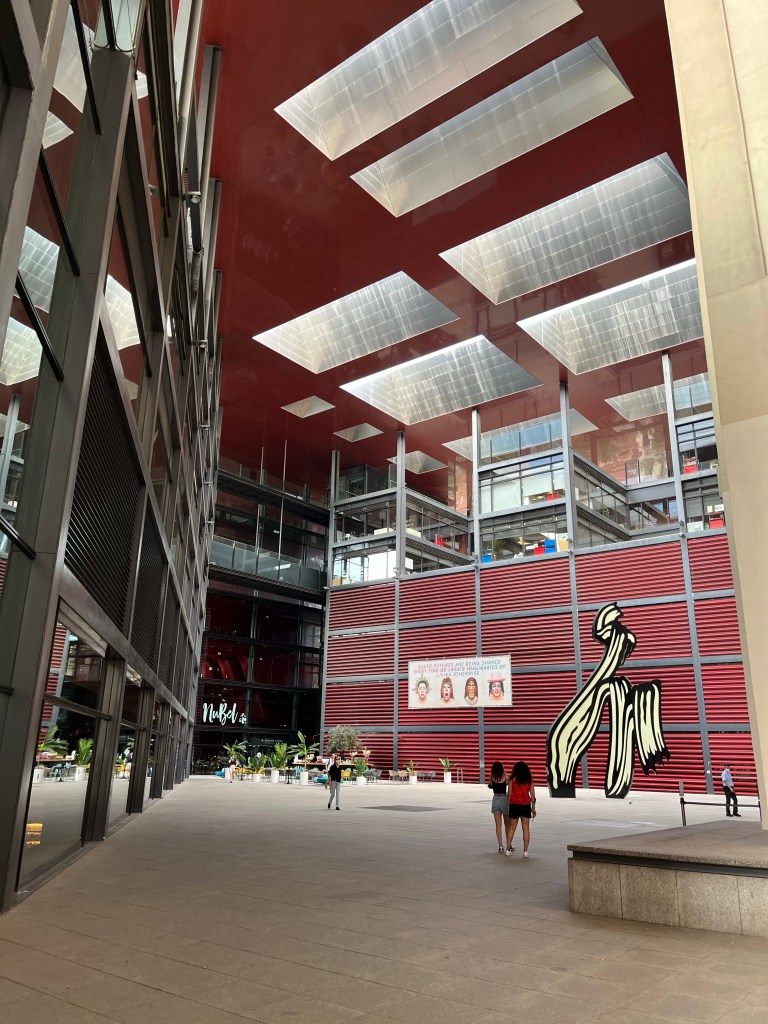

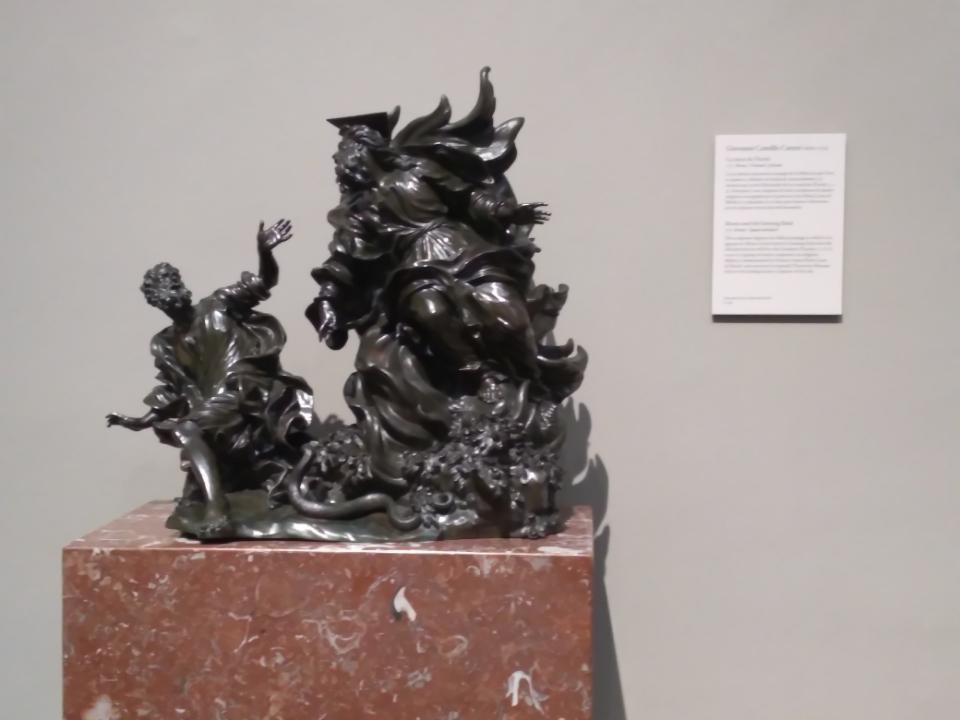
While the Reina Sofia focuses more on modern art, the Prado focused more on renowned painters such as Goya, Bosco and Rubens plus many more. There are also collections of sculptures in several rooms. Similarly to Reina Sofia, the Prado is one which requires hours to fully appreciate it. You cannot take pictures inside, but somehow a few wound up on our camera roll. 😳

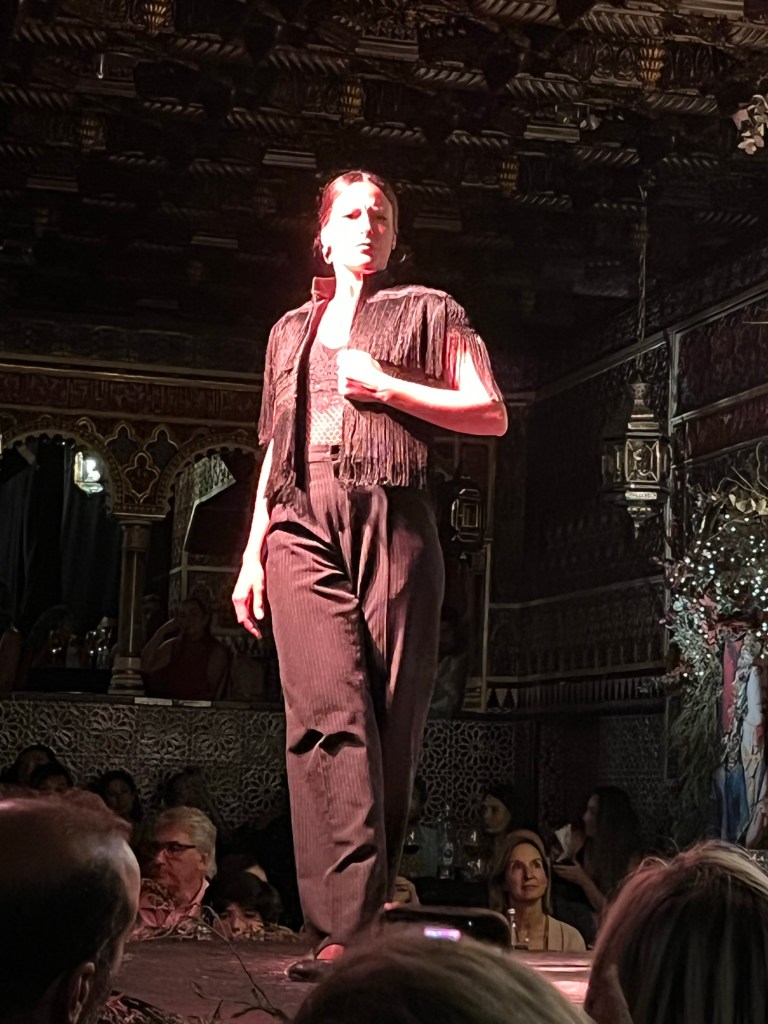
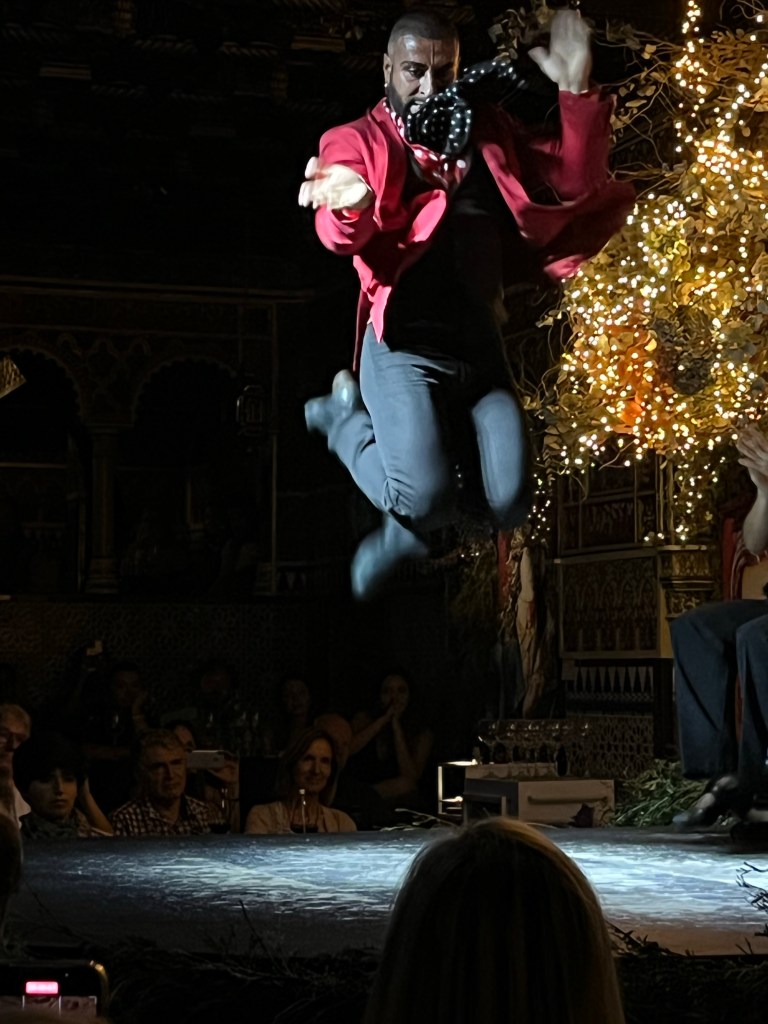
We could not be in Spain and not go see a flamenco show and after visiting two museums on the same day, we figured that night would be perfect to see something very cultural. There are many flamenco shows to choose from in Madrid, but according to a little bird named Mariola, the tablao Torres Bermejas is the best in town. The dancers, singer and guitarist were phenomenal. And being close enough to see their expertise was a thrill. We’d definitely go back again.

As full as this day was, we had no idea what our trip to Avila and Segovia had in store for us. We knew they were the oldest cities in Spain, dating back many centuries. What we learned was that the history of both cities is abundant with influence from the Arabs, the Romans, and the Christians. Each group had a different perspective/belief and wanted to convert people to obtain power.
Avila was walled to keep out the undesirable but what that did was create pandemics and sickness. Nonetheless, the wall is very impressive in height and perimeter. In addition to the wall, Avila also is known for the work of Saint Theresa. She founded a church that was truly one dedicated to maintain faith and not dedicated to upholding power. Many were drawn to her and because of her popularity, the Christian church began to practice more of her philosophy. So much so, that they built a church in her honor which would most likely be ostentatious to her.

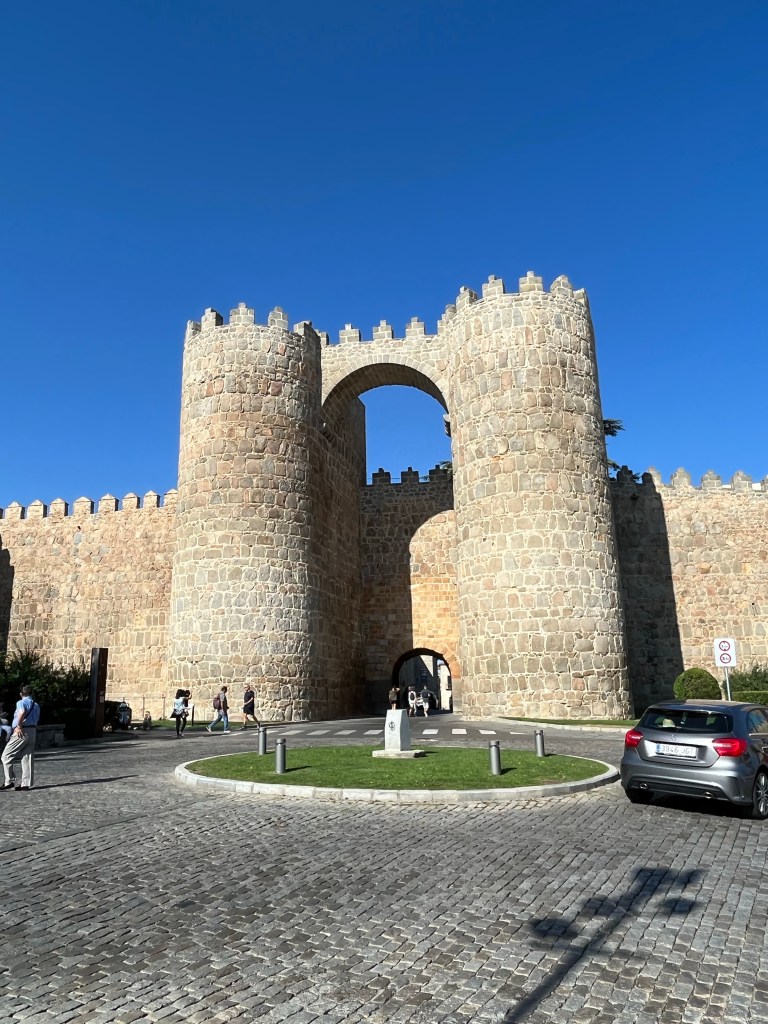
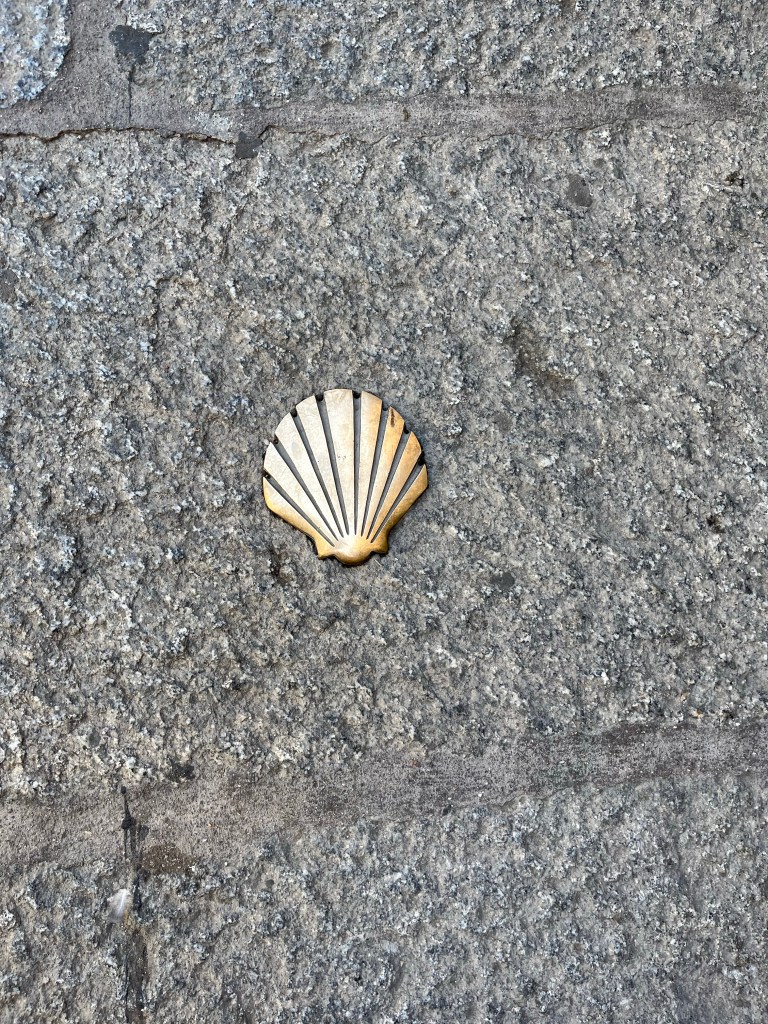
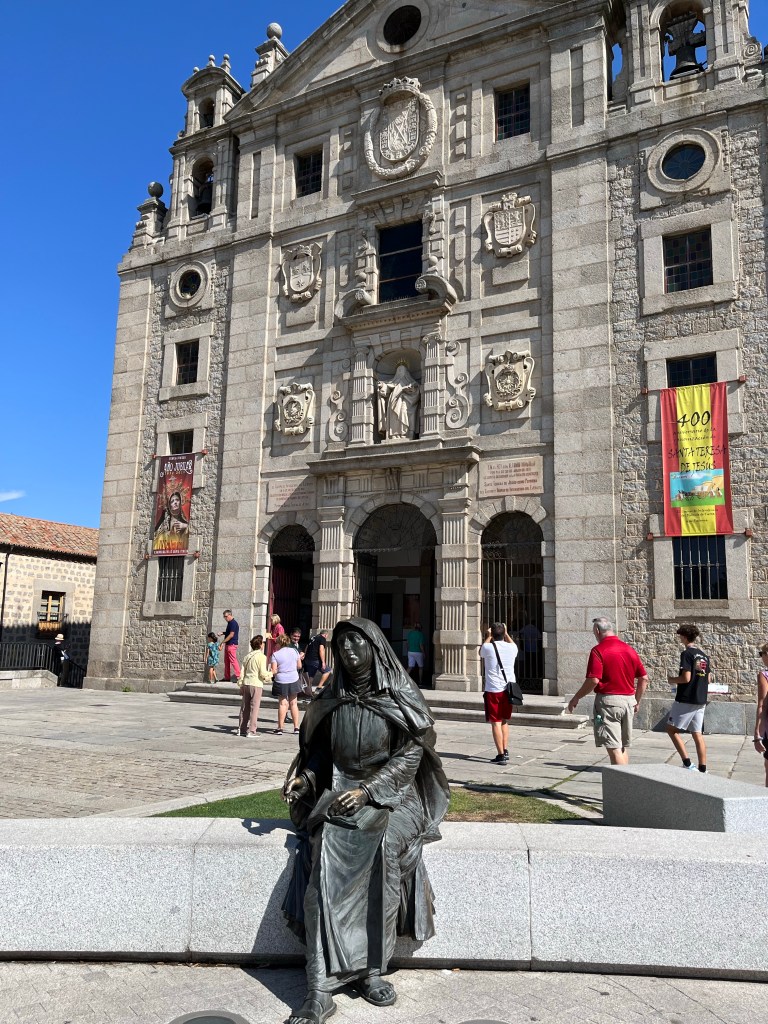
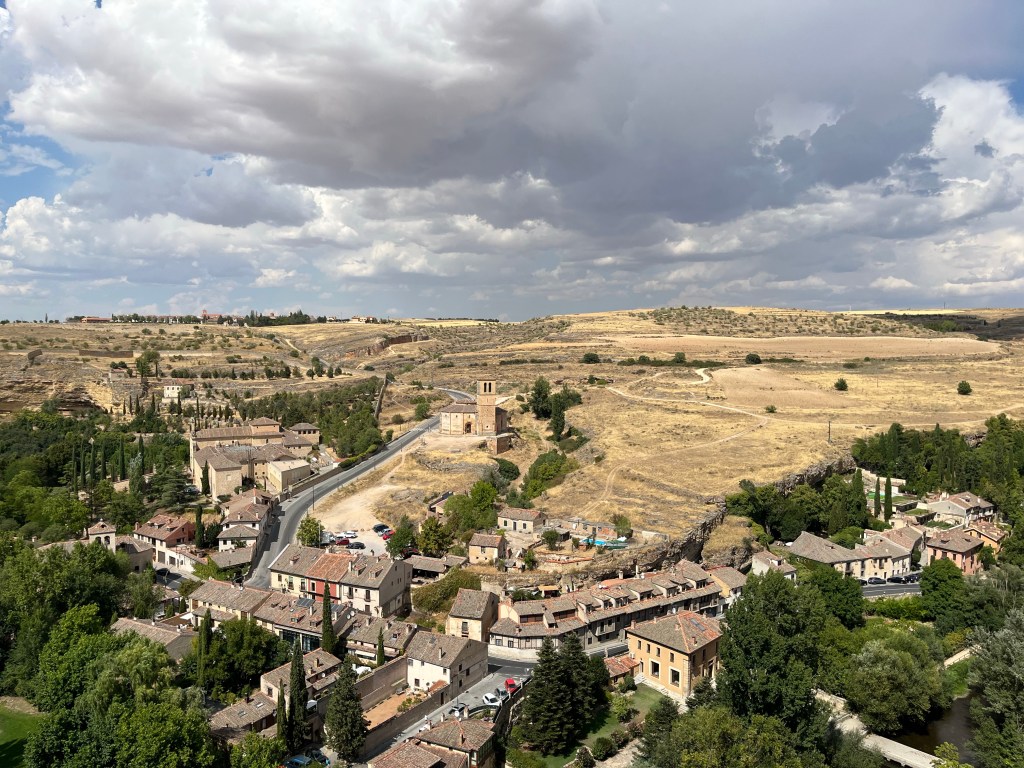
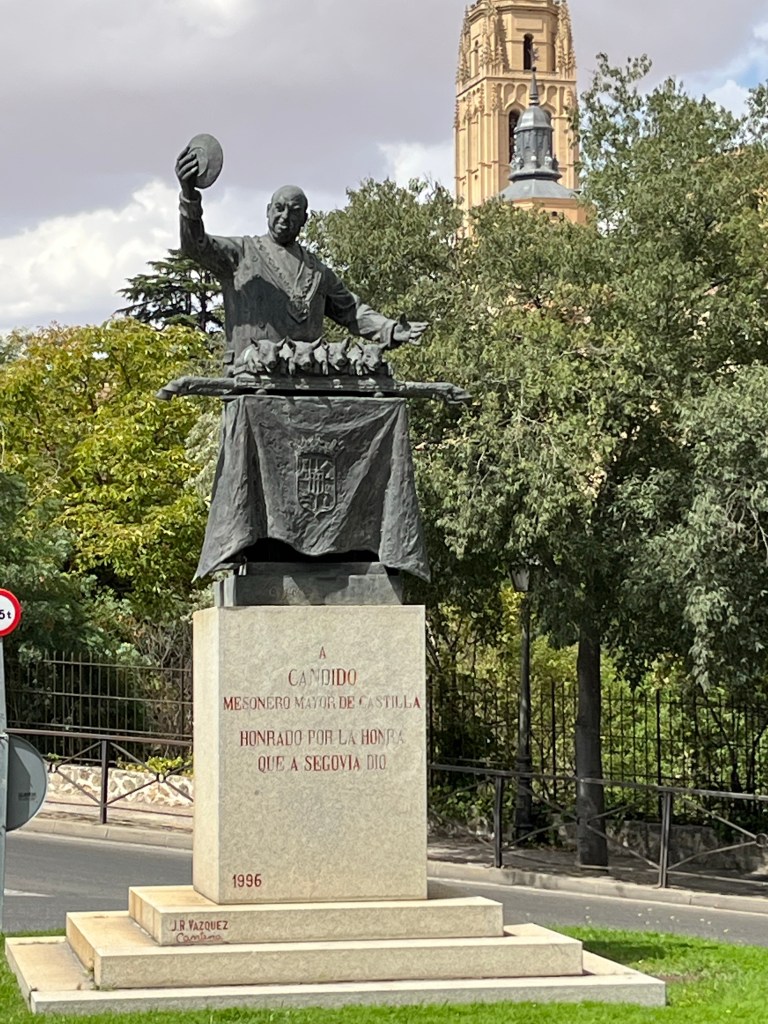
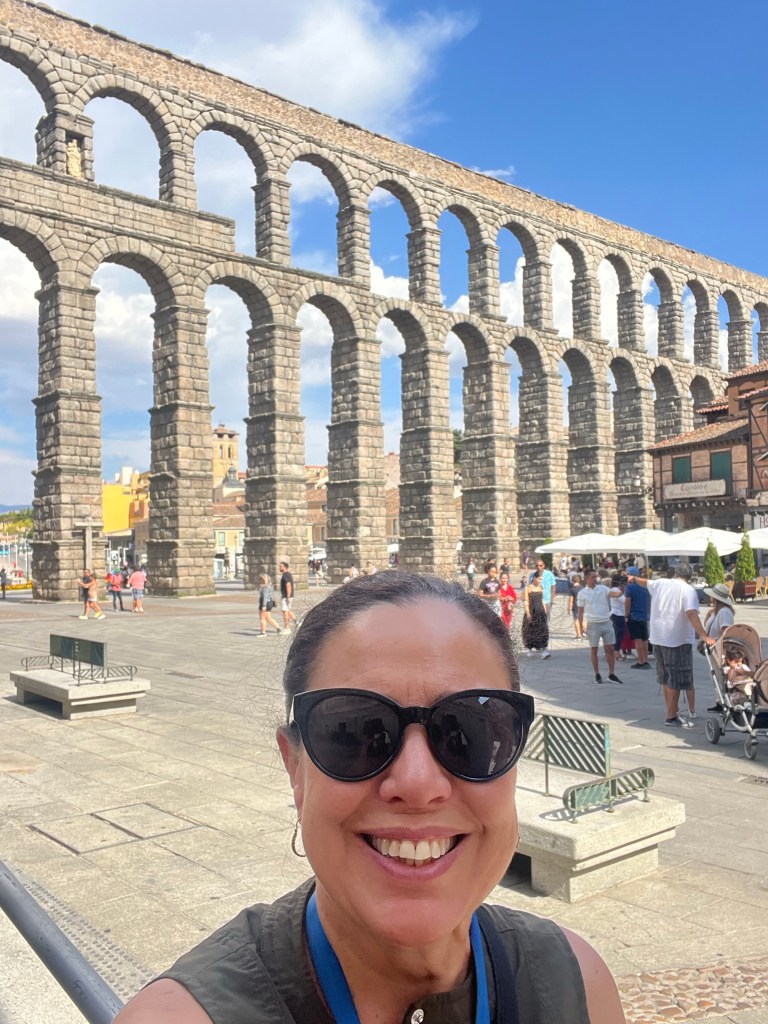
Segovia is known for the enormous aqueduct built by the Romans approximately in 50 B.C. and provided water to Segovia’s citizens until the 19th century. In addition to the Aqueduct, Segovia is well known for two other reasons. One is the restaurant Mesón de Cándido, where Michelin chef Juan Bravo makes roast suckling pig just like the founder of the restaurant, Cándido López. The other is the Âlcazar de Segovia, a medieval castle where 22 kings have passed through its’ halls.
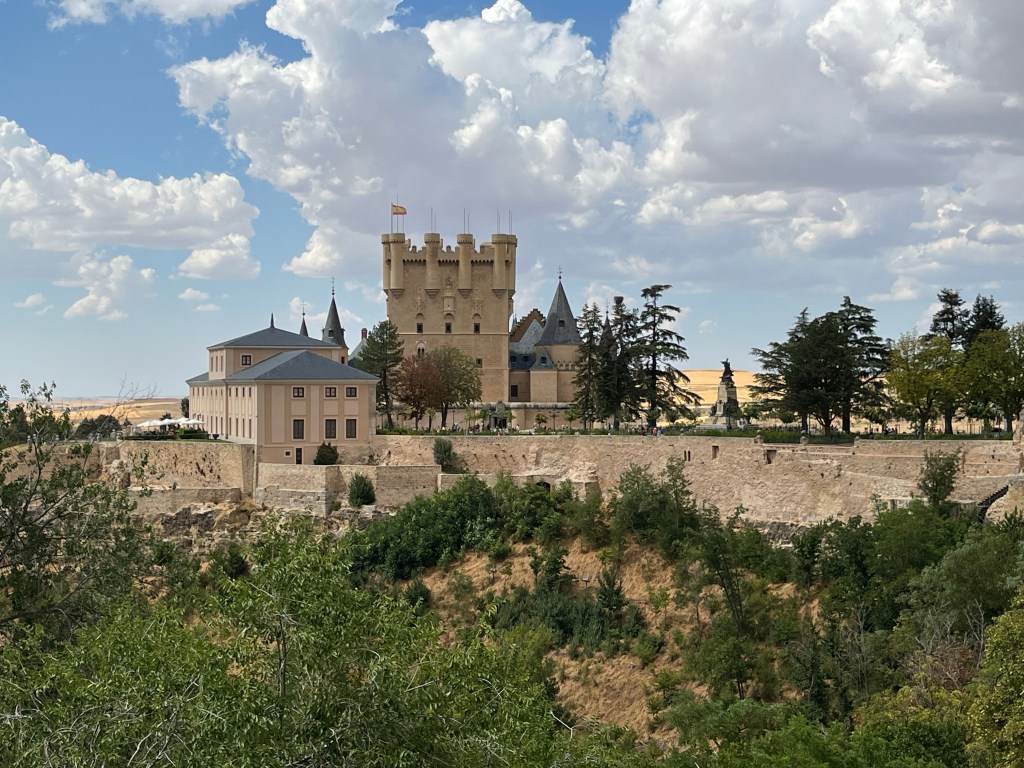
Next stop for us…Barcelona!


 And Here We Go...
Leave a reply to flojim86 Cancel reply